


What's Happening?
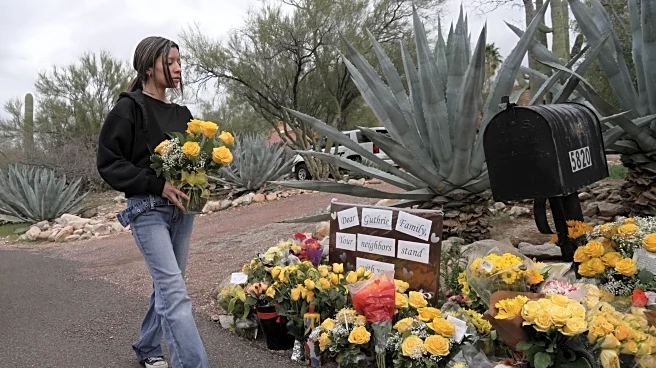
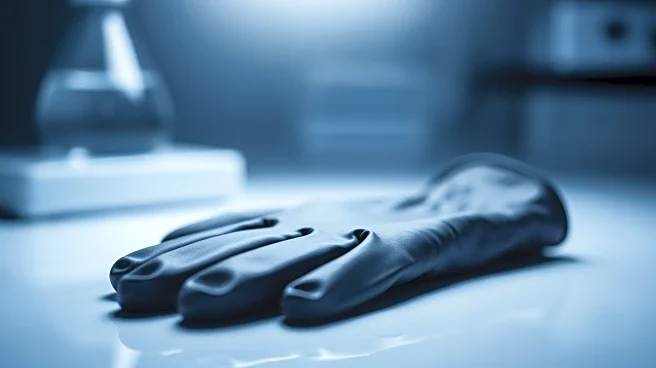
David Mittelman, CEO of Othram, Inc., a Texas-based forensic company, believes that DNA evidence could still help solve the case of Nancy Guthrie's disappearance, despite the FBI's failure to find a match in its database. A glove found near Guthrie's home
in Arizona contained DNA that did not match any known criminals in the FBI's Combined DNA Index System (CODIS). Mittelman suggests using forensic-grade genome sequencing to build a detailed DNA profile that could be used in genealogical databases, potentially identifying relatives of the suspect. This method was previously successful in identifying Bryan Kohberger in the Idaho murders.
Why It's Important?
The use of advanced DNA sequencing techniques in criminal investigations represents a significant advancement in forensic science. By potentially identifying suspects through genealogical databases, law enforcement agencies can solve cases that traditional methods cannot. This approach could revolutionize how cold cases and ongoing investigations are handled, offering new hope for solving crimes with limited evidence. The Guthrie case highlights the potential of genetic genealogy to provide breakthroughs in complex investigations, impacting how future cases are approached and resolved.
What's Next?
Authorities are considering feeding the DNA evidence from the Guthrie case into other genetic genealogy databases to find potential matches. This step could lead to identifying the suspect or their relatives, advancing the investigation. The success of this method could encourage more law enforcement agencies to adopt similar techniques, potentially leading to more solved cases. The outcome of this investigation may also influence public and legal perspectives on the use of genetic data in criminal justice.