






What's Happening?
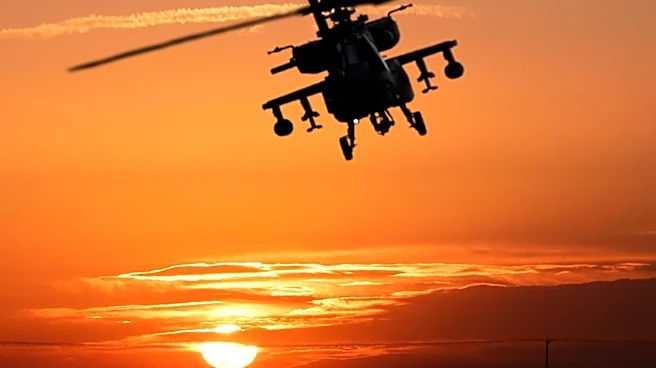
The U.S. Army has resumed training operations for its AH-64E Apache attack helicopter fleet after a recent fatal crash near Fort Hood, Texas. The incident, which occurred on August 12, resulted in the deaths of Chief Warrant Officer 2 Deontre T. Huey,
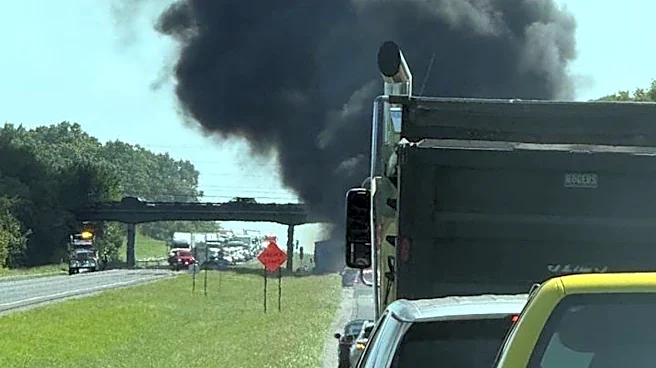
34, and Warrant Officer Seth L. Olmstead, 24, both from the Bravo Company, 1st Battalion, 227th Aviation Regiment, 1st Air Cavalry Brigade, 1st Cavalry Division. The helicopter crashed into a field near Salado during a maintenance test flight, causing a significant brush fire. Following the crash, the Army temporarily grounded the AH-64E Apache fleet to conduct safety checks and better understand the root causes of the accident. An investigation led by the U.S. Army Combat Readiness Center in Fort Rucker, Alabama, is currently underway. This is not the first time the AH-64E Apache fleet has faced flight restrictions; previous groundings occurred in March 2024 after two separate crashes involving National Guard Apaches, and in April 2023 after a mid-air collision.
Why It's Important?
The resumption of AH-64E Apache training flights is critical for maintaining the operational readiness and combat effectiveness of the U.S. Army. The Apache is a cornerstone of Army aviation, providing essential close air support, reconnaissance, and attack capabilities. Any prolonged grounding of the fleet would significantly impact training schedules, pilot proficiency, and overall military preparedness. The repeated incidents involving the AH-64E Apache, however, raise serious concerns about the safety and reliability of this vital aircraft. These incidents can affect troop morale, public confidence in military equipment, and potentially lead to increased scrutiny from Congress regarding defense spending and procurement. The ongoing investigation is crucial for identifying systemic issues, whether mechanical, maintenance-related, or procedural, to prevent future accidents and ensure the safety of military personnel. The balance between operational readiness and safety is a constant challenge for military forces, and this situation highlights the complexities involved in managing advanced military assets.
What's Next?
The U.S. Army Combat Readiness Center's investigation into the Fort Hood crash will continue, aiming to determine the precise cause of the accident. The findings of this investigation will be critical in informing any necessary modifications to the AH-64E Apache aircraft, maintenance protocols, or pilot training procedures. Depending on the outcome, there could be further safety directives issued for the fleet. The Army will likely implement any recommended changes to enhance the safety and reliability of the Apaches. Additionally, the incidents may prompt a broader review of the AH-64E Apache's operational history and maintenance records to identify any recurring patterns or vulnerabilities. The Army will also focus on supporting the families of the deceased service members and ensuring that lessons learned from this tragedy are thoroughly integrated into future operations and training.
Beyond the Headlines
The recurring incidents involving the AH-64E Apache fleet point to a deeper challenge within military aviation: balancing the demands of advanced technology with the realities of operational wear and tear, maintenance complexities, and human factors. Modern military aircraft are incredibly sophisticated, but their complexity can also introduce new points of failure. The need for continuous upgrades and maintenance, often under budgetary constraints, can strain resources and potentially impact safety. Furthermore, the psychological impact of such incidents on pilots and ground crews can be significant, affecting recruitment and retention. This situation underscores the ongoing debate about the age of military equipment, the pace of technological advancement, and the resources allocated to maintenance and safety. It also highlights the inherent risks faced by military personnel, even during routine training exercises, and the constant effort required to ensure their safety while maintaining a formidable defense capability.