







What's Happening?
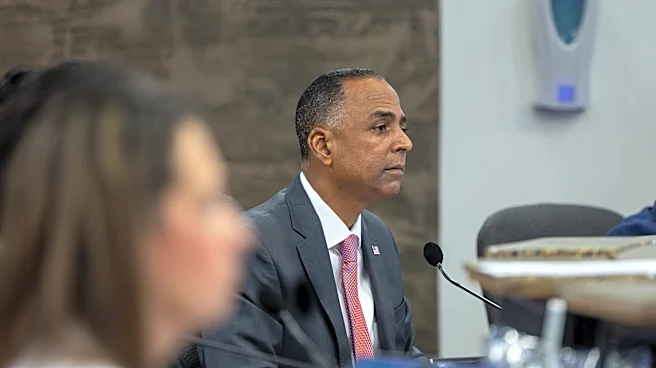
The San Antonio City Council is currently engaged in a contentious debate over how to address a projected $158 million budget deficit spanning the next two fiscal years. City staff have proposed a plan that combines $90 million in cuts and funding shifts,
along with two tax hikes and increased fees. This proposal has sparked strong reactions among council members, with some advocating for deeper cuts to avoid tax increases, while others emphasize the necessity of maintaining essential services. Alternatives presented to the council included a plan to keep the tax rate flat by cutting an additional $75 million, which would impact police and fire overtime, library hours, and parks programming, leading to the elimination of 171 positions on top of 101 already planned. Another alternative, front-loading tax increases, received little support. The current budget proposal suggests raising the tax rate in FY 2027 to 56.288 cents per $100 of valuation, resulting in an average increase of $49 for homesteads, with a second increase anticipated for FY 2028. City Manager Erik Walsh stated that administrative cuts alone would not resolve the issue, while Councilwoman Marina Alderete Gavito requested options focusing on internal 'fat' cutting.
Why It's Important?
This budget deliberation is critical for San Antonio residents and city services. The potential tax increases, including property taxes and environmental fees, will directly impact household budgets, particularly for homeowners. Conversely, significant budget cuts could lead to reduced public services, affecting areas such as public safety (police and fire overtime), education (library hours), and community well-being (parks programming). The debate highlights a common challenge faced by municipalities across the U.S.: balancing fiscal responsibility with the provision of essential services. The outcome will determine the quality and accessibility of public resources for San Antonio citizens and could set a precedent for how the city manages future financial shortfalls. The differing viewpoints among council members reflect the broader societal tension between fiscal conservatism and the desire to maintain a robust social safety net and public infrastructure. The decision will also influence the city's ability to attract and retain residents and businesses, as tax rates and service quality are key factors in urban competitiveness.
What's Next?
The San Antonio City Council is expected to continue its deliberations on the budget proposal. City Manager Erik Walsh indicated that the council is interested in exploring additional reductions and different scenarios for the proposed property tax rate. To engage the public and gather feedback, the city is hosting a series of budget halls from August 17-25. These public forums will provide residents with an opportunity to voice their concerns and preferences regarding potential tax increases and service cuts. Following these public engagements, the council will likely refine the budget proposal, taking into account both public sentiment and the financial realities. The final budget, including decisions on tax rates and specific cuts, will be adopted for the upcoming fiscal years. The process will involve further negotiations and potentially more heated discussions among council members as they strive to reach a consensus that addresses the deficit while minimizing adverse impacts on the community.
Beyond the Headlines
The San Antonio budget crisis underscores a deeper trend of fiscal strain in many U.S. cities, often driven by factors such as rising operational costs, inflation, and fluctuating tax revenues. The debate over whether to raise taxes or cut services reflects fundamental philosophical differences in governance and public finance. The emphasis on 'cutting the fat internally' versus impacting 'real things for people’s lives' highlights the ethical dilemmas faced by policymakers. This situation could lead to increased civic engagement as residents become more aware of the direct link between local government decisions and their daily lives. Furthermore, the outcome could influence future municipal elections, as voters may hold council members accountable for their stances on taxes and public services. The long-term implications could include shifts in urban development priorities, changes in the social fabric of the city due to altered service levels, and potentially innovative approaches to revenue generation or cost-saving measures that could serve as models for other cities facing similar challenges.