




What's Happening?
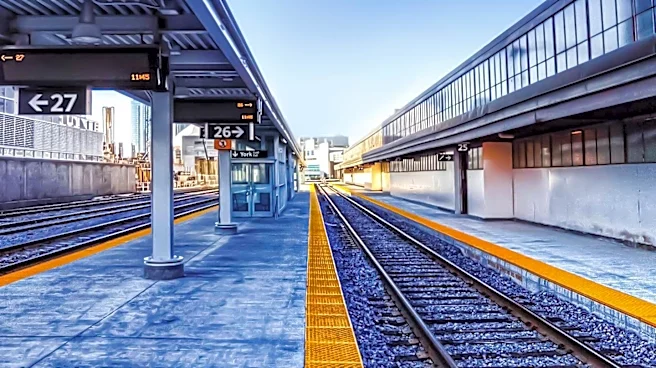
A new state bill, Senate Bill 1375, co-authored by San Jose Assemblymember Ash Kalra and introduced by state Sen. Dave Cortese, seeks to expedite the redevelopment of San Jose's Diridon Station. The bill proposes to exempt certain rail station hub modernization
projects, including Diridon Station, from the California Environmental Quality Act (CEQA). This exemption is intended to streamline the environmental review process, which has already consumed years for the project, and potentially reduce the overall construction timeline by approximately one year. The Diridon Station redevelopment is a significant undertaking, estimated to cost between $3 billion and $6 billion, and is envisioned as the future centerpiece of Northern California's public transportation network. The bill has passed the Assembly and is awaiting a concurrence vote in the Senate before potentially heading to Governor Gavin Newsom's desk. Previous environmental reviews for high-speed rail and Caltrain did not cover the entire station footprint, necessitating further review unless an exemption is granted.
Why It's Important?
The proposed CEQA exemption for the Diridon Station redevelopment holds significant importance for regional transportation infrastructure and economic development in Northern California. By potentially shaving a year off the project's timeline, the bill could accelerate the realization of a major transportation hub, which is expected to enhance connectivity and encourage public transit use. This streamlining could also lead to indirect economic benefits by bringing the station into operation sooner, facilitating easier commutes, and supporting associated commercial and residential developments. However, the exemption also raises questions about the balance between project acceleration and environmental oversight. While proponents argue it avoids redundant reviews, critics often express concerns that such exemptions could bypass necessary environmental protections. The bill's passage would set a precedent for future large-scale infrastructure projects in California, potentially influencing how environmental regulations are applied to critical public works.
What's Next?
Senate Bill 1375 is expected to return to the state Senate for a concurrence vote, potentially as early as this week, following amendments made after it left the Senate. If it passes the concurrence vote, the bill will then proceed to Governor Gavin Newsom's desk for his signature. Should the bill be signed into law, the Diridon Station project could see its environmental phase shortened by about a year, allowing it to move into preliminary engineering sooner. While the state-level CEQA exemption would streamline the process, the project would still need to clear federal environmental review under the National Environmental Policy Act (NEPA), as state law cannot waive federal requirements. Stakeholders, including Caltrain and the city of San Jose, are actively supporting the bill, viewing it as a crucial step toward modernizing the station and promoting public transit. The focus will then shift to the federal review process and the subsequent phases of construction.
Beyond the Headlines
The debate surrounding the CEQA exemption for Diridon Station highlights a broader tension in California between ambitious infrastructure development and stringent environmental regulations. While CEQA is designed to protect the environment by requiring thorough impact assessments, it is often cited as a factor contributing to project delays and increased costs. This bill represents an attempt to navigate these complexities by selectively streamlining the review process for projects deemed critical for public benefit, such as major transportation hubs. The discussion also touches upon the potential for 'trojan horse' housing projects, as Senator Cortese expressed concerns about the exemption being used to bypass legislative vetting for housing developments. This underscores the need for clear stipulations within such exemptions to prevent unintended consequences and ensure that the primary goal of the legislation—expediting transportation infrastructure—remains paramount. The outcome of this bill could influence future legislative efforts to balance environmental protection with the urgent need for infrastructure upgrades across the state.