






What's Happening?
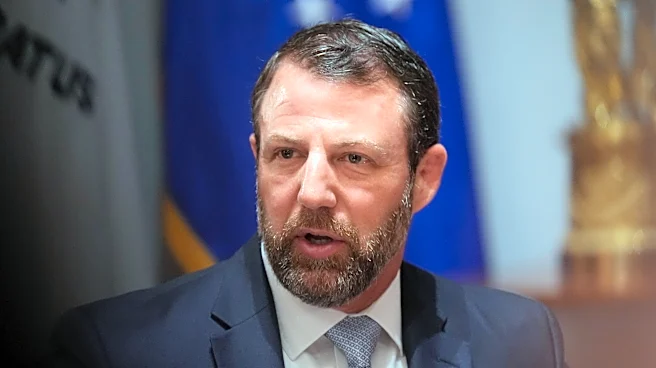
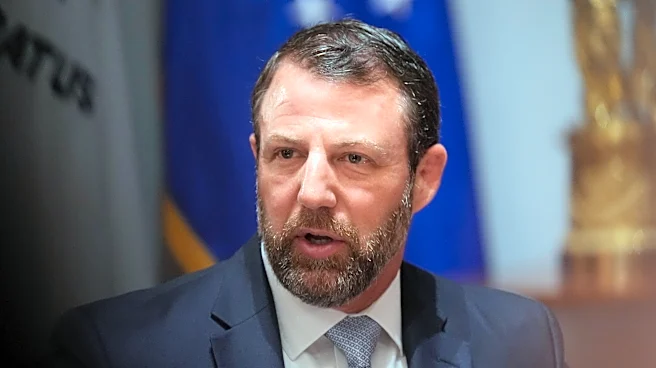
Senator Ron Wyden, a Democrat from Oregon, has called for transparency regarding a proposed ICE family and child detention center in Alexandria, Louisiana. The facility, which is planned to be partly based in an old military barracks, is expected to hold
families and unaccompanied minors for around 72 hours before deportation. Wyden has expressed concerns over conflicts of interest, environmental contamination, and the lack of a public process in the planning of the center. The Alexandria airport, a central node in the Trump administration's deportation agenda, already houses a separate detention center for men. The proposed family facility is set to be run by Compass Connections, a Texas-based child welfare non-profit, alongside LaSalle Corrections. Wyden has questioned the non-profit's dual role in child welfare and immigration enforcement, citing potential conflicts with its mission to promote the health and wellbeing of refugees and unaccompanied immigrant children.
Why It's Important?
The proposed detention center has significant implications for U.S. immigration policy and the treatment of immigrant families and children. Critics argue that the facility could exacerbate issues of child abuse, neglect, and human trafficking, as it aligns with a broader agenda to expedite deportations. The involvement of Compass Connections, a major provider of care to unaccompanied children, raises questions about the ethical implications of its participation in a deportation pipeline. The environmental concerns about the site's location, known for high levels of contamination, further complicate the situation, potentially impacting the health and safety of detained children. This development highlights ongoing tensions between federal immigration enforcement and humanitarian obligations, with potential legal and ethical ramifications for the agencies involved.
What's Next?
Senator Wyden has requested detailed answers from Compass Connections and the Department of Health and Human Services regarding the facility's operations and governance. The Administration for Children and Families, overseeing the Office of Refugee Resettlement, is urged to reconsider the site's suitability for children. As the project progresses, it is likely to face increased scrutiny from lawmakers, immigrant rights groups, and the public. The outcome could influence future policies on family detention and the role of non-profits in immigration enforcement. The Department of Homeland Security's continued silence on the project may also prompt further investigations and legislative actions.