






What's Happening?
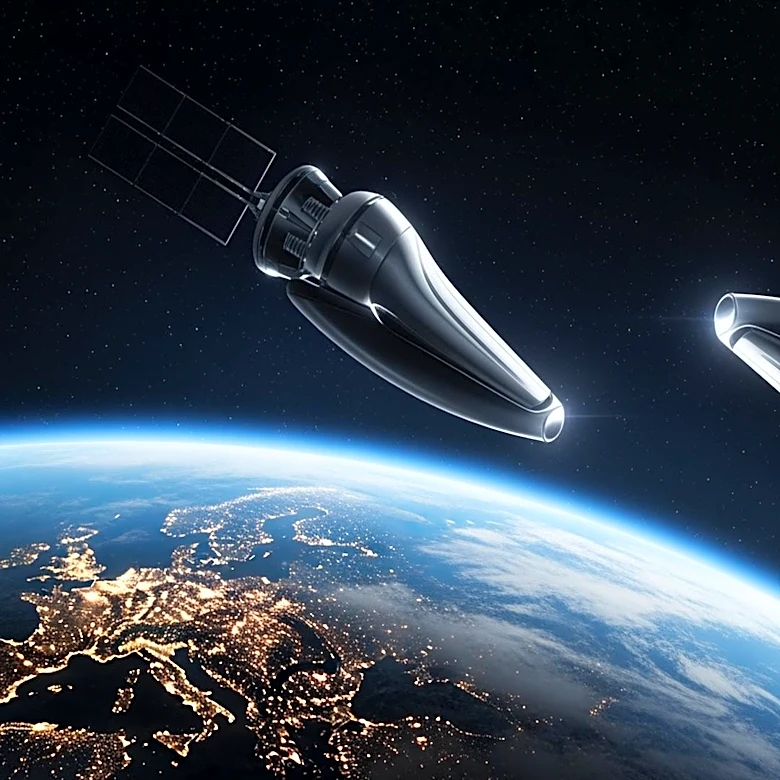
The National Aeronautics and Space Administration (NASA) has launched the Artemis II mission, marking a significant milestone in space exploration. On April 1, 2026, the mission sent four astronauts on a 10-day journey around the Moon. This mission is a critical
test of the Orion spacecraft's systems and procedures in deep space, with the ultimate goal of paving the way for future lunar landings and Mars exploration. The crew, now over 100,000 miles from Earth, is practicing lunar procedures as they approach the Moon. Dr. Jamie Favors, NASA's weather program director in the Heliophysics Division, emphasized the mission's role in testing systems with a crew for the first time, highlighting the energy and excitement within the agency as decades of work culminate in this historic flight.
Why It's Important?
The Artemis II mission is a pivotal step in NASA's long-term goals of establishing a sustainable human presence on the Moon and eventually sending humans to Mars. By testing the Orion spacecraft's systems with a crew, NASA is gathering crucial data that will inform future missions and enhance the safety and efficiency of space travel. The mission's success could accelerate the timeline for establishing a lunar base, which Dr. Favors compared to the infrastructure development in Antarctica. This mission not only represents a technological achievement but also symbolizes the potential for international collaboration and scientific advancement in space exploration.
What's Next?
Following the successful completion of the Artemis II mission, NASA will analyze the data collected to refine the systems and procedures for future missions. The insights gained will be instrumental in planning Artemis III, which aims to land astronauts on the lunar surface. Additionally, the mission's outcomes could influence international partnerships and funding for space exploration initiatives. As NASA continues to push the boundaries of human spaceflight, the agency will likely engage with global partners to share knowledge and resources, fostering a collaborative approach to exploring the solar system.
Beyond the Headlines
The Artemis II mission highlights the broader implications of space exploration, including the potential for technological innovation and economic growth. The advancements made in spacecraft design and deep space navigation could have applications beyond space travel, influencing industries such as telecommunications, materials science, and robotics. Furthermore, the mission underscores the importance of STEM education and workforce development, as the demand for skilled professionals in aerospace and related fields continues to grow. By inspiring the next generation of scientists and engineers, NASA's efforts contribute to a culture of innovation and exploration.