






What's Happening?
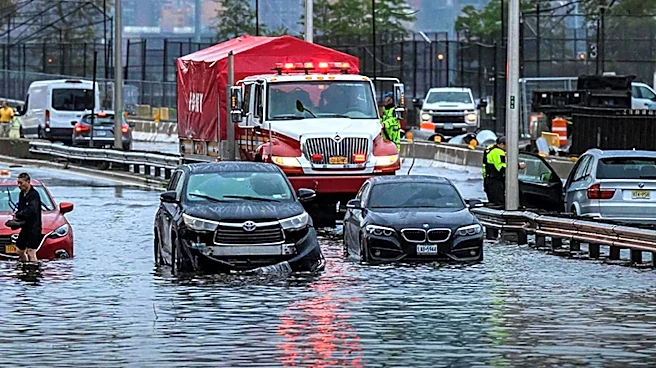
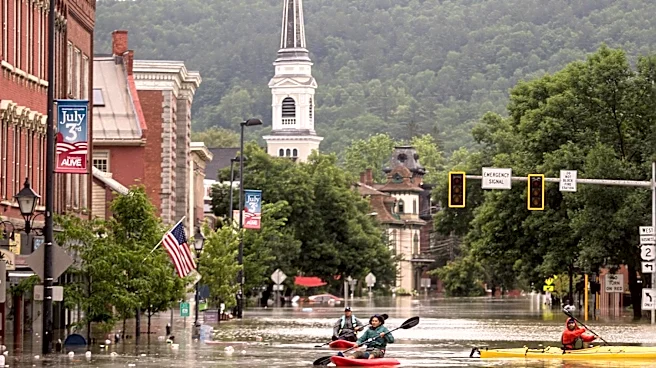
Bergen County has announced the suspension of the organizers of the Race Faster Half Marathon. This decision comes after participants in a recent event were reportedly forced to wade through floodwaters. As a consequence of this incident, the organizers will
be prohibited from holding any races within county parks for a minimum period of one year. The specific details regarding the extent of the flooding and the conditions faced by the runners were not elaborated upon in the announcement, but the county's action indicates a serious concern over the safety and management of the event. This suspension directly impacts the ability of Race Faster Half Marathon organizers to utilize public park facilities for their events in Bergen County for the foreseeable future.
Why It's Important?
This suspension by Bergen County carries significant implications for event organizers and participants in the region. For event organizers, it underscores the critical importance of prioritizing participant safety and conducting thorough risk assessments, especially concerning environmental conditions like weather and potential flooding. Failure to do so can lead to severe penalties, including loss of access to venues, which can be financially detrimental and damage an organization's reputation. For participants, this incident highlights the need to research and evaluate the safety records and contingency plans of race organizers before registering for events. It also serves as a reminder that even seemingly well-established events can face unforeseen challenges, and organizers are held accountable for ensuring a safe environment. The county's firm stance sets a precedent for how similar incidents involving participant safety will be handled in the future, potentially leading to stricter oversight of public events.
What's Next?
Following the one-year suspension, the organizers of the Race Faster Half Marathon will likely need to demonstrate significant improvements in their event planning and safety protocols to regain permission to host races in Bergen County parks. This could involve submitting detailed contingency plans for adverse weather, undergoing additional safety training, or implementing more robust communication strategies for participants. Other counties or municipalities might review their own policies for event permits in light of this incident, potentially leading to a broader re-evaluation of safety standards for outdoor events. Participants in future races organized by Race Faster, or similar events, will likely be more vigilant about checking event conditions and organizer reputations. The incident may also prompt discussions among local government bodies about standardizing safety requirements for public events to prevent similar occurrences.
Beyond the Headlines
The incident in Bergen County touches upon broader themes of responsibility and accountability in public event management. Beyond the immediate safety concerns, there are ethical considerations regarding the duty of care owed by event organizers to their participants. The decision to proceed with a race despite potentially hazardous conditions raises questions about the balance between commercial interests and participant well-being. This event could also spark a wider conversation about the role of local governments in regulating and overseeing recreational activities, particularly those that utilize public spaces. It highlights the need for clear guidelines and enforcement mechanisms to ensure that public safety is not compromised for the sake of an event. The long-term impact could be a shift towards more stringent regulatory frameworks for outdoor events, emphasizing proactive risk management and transparent communication with the public.