







What's Happening?
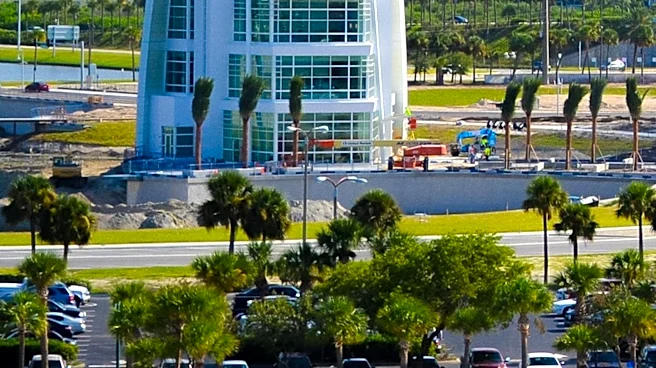
Florida International University (FIU), a public research university in Miami, Florida, serves over 54,000 students, making it one of the ten largest universities in the U.S. The university operates across two main campuses: Modesto A. Maidique and Biscayne
Bay. The Modesto A. Maidique campus is recognized as an engineering hub, offering a wide array of engineering disciplines and housing 25 modern research facilities. The Biscayne Bay campus, located near Miami's eastern coast, specializes in marine sciences, journalism, and tourism, accommodating approximately 7,000 students. FIU was established in 1965, with its first opening in 1972 on the grounds of the former Tamiami Airport, enrolling 5,667 students, which was one of the largest university openings at the time. The university accepts international students through a partnership with Shorelight, offering over 100 undergraduate programs across various fields, including accounting, finance, engineering, nursing, and hospitality.
Why It's Important?
FIU's extensive academic offerings and large student body significantly contribute to the educational landscape and workforce development in Florida and the broader U.S. The university's focus on specialized fields like marine sciences and engineering addresses critical industry needs, fostering innovation and providing skilled graduates. Its role as the first public research university in Miami offering undergraduate, graduate, and doctoral degrees underscores its importance in regional higher education. The partnership with Shorelight to attract international students not only diversifies the student body but also enhances Miami's global academic reputation and contributes to the local economy through increased enrollment and cultural exchange. The availability of diverse programs across two distinct campuses allows students to tailor their educational experience to their specific career aspirations, from engineering to tourism, reflecting the varied economic sectors of Florida.
What's Next?
Prospective students, particularly international applicants, can continue to apply to FIU through the Shorelight program, with admissions available for spring, summer, fall, and winter terms. The university will likely continue to leverage its specialized campuses to attract students interested in specific fields, such as engineering at Modesto A. Maidique or marine sciences and tourism at Biscayne Bay. FIU's ongoing commitment to research, as evidenced by its numerous research facilities, suggests continued advancements in various academic disciplines. The university's collaboration with organizations like Bilimevi, which offers free consultancy services for international university applications, indicates a sustained effort to expand its global reach and student diversity. Future developments may include further expansion of program offerings or research initiatives to meet evolving industry demands.
Beyond the Headlines
The historical context of FIU's founding on the former Tamiami Airport grounds highlights a transformative use of infrastructure, converting a disused airport into a thriving academic institution. This repurposing reflects a broader trend in urban development where former industrial or transportation sites are reimagined for public benefit. The university's dual-campus structure, with distinct academic focuses, illustrates a strategic approach to higher education, allowing for specialized learning environments while maintaining the resources of a large public university. The emphasis on international student recruitment through partnerships like Shorelight also points to the increasing globalization of education and the economic and cultural benefits derived from a diverse student population. This model contributes to Miami's identity as an international city and a hub for diverse academic pursuits.