








What's Happening?
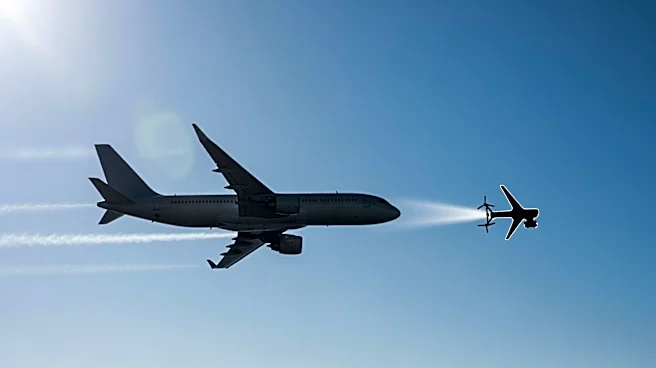
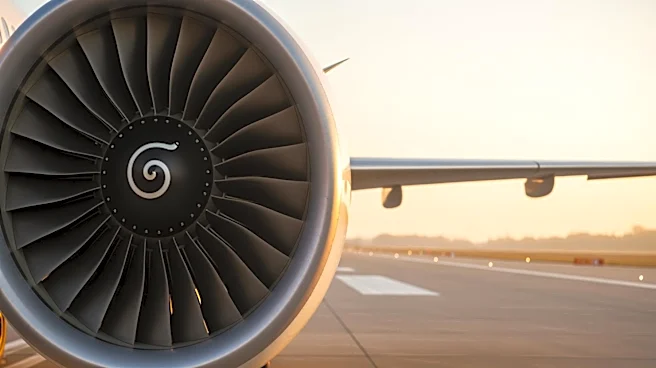
A Qantas Boeing 737-800 experienced an engine failure during take-off from Sydney Airport, bound for Brisbane. The incident, which occurred on November 8, 2024, was caused by a fatigue crack in the turbine blade of the right-hand engine. The crew heard
a loud bang as the aircraft reached V1 speed, a critical point where take-off should not be aborted. Despite the engine failure, the crew continued the take-off, declared an emergency, and safely landed the aircraft on one engine. The Australian Transport Safety Bureau (ATSB) praised the crew's decisive actions, which ensured the safety of all 175 passengers and six crew members on board.
Why It's Important?
This incident underscores the importance of rigorous maintenance and inspection protocols in aviation safety. The failure of the engine due to a fatigue crack highlights potential vulnerabilities in aircraft components that may not be easily detectable without comprehensive inspections. The crew's effective response prevented a potential disaster, demonstrating the critical role of training and preparedness in emergency situations. The event also raises awareness about the need for ongoing evaluation of maintenance schedules and procedures to prevent similar incidents in the future.
What's Next?
Following the incident, there may be increased scrutiny on the maintenance practices for the CFM56 engine series, particularly regarding the detection of fatigue cracks. Airlines and regulatory bodies might review and possibly revise inspection protocols to enhance safety measures. The aviation industry could see a push for more advanced diagnostic technologies to identify potential issues before they lead to failures. Additionally, there may be discussions on updating training programs for flight crews to ensure preparedness for similar emergencies.