




What's Happening?
The small town of La Veta, Colorado, with approximately 850 residents, is facing a critical water supply crisis as the Cucharas River, its primary water source, has completely dried up. This situation has prompted the town to implement stage four water use
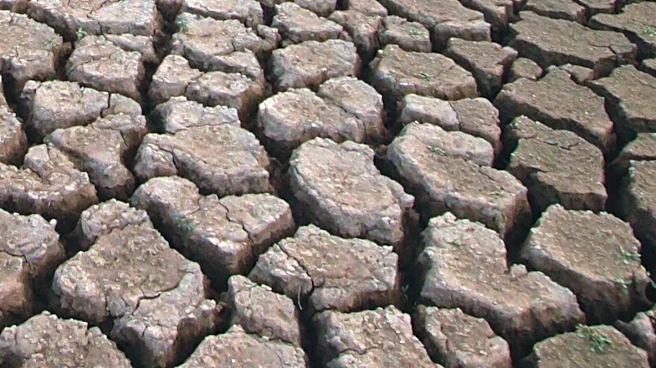
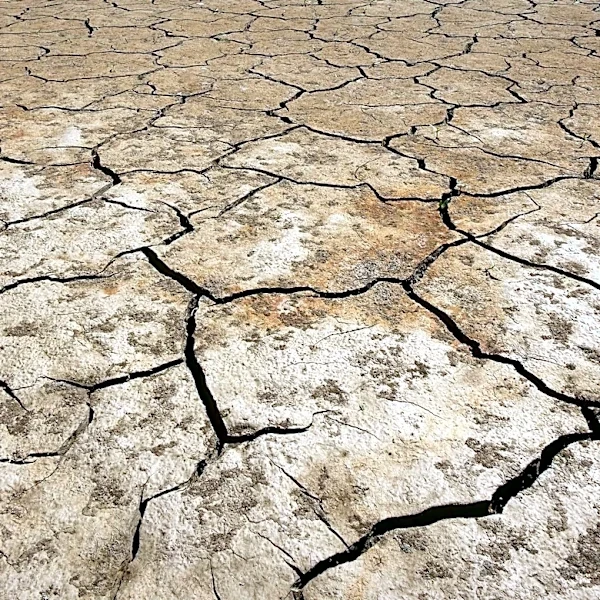
restrictions, which ban all outdoor water use. Huerfano County, where La Veta is located, is experiencing its second-most severe drought year in 132 years, with conditions ranging from extreme to exceptional. Neighboring counties, particularly in the San Luis Valley, are also reporting similar severe drought conditions. The Wahatoya and Daigre reservoirs, which serve downstream users, have been significantly drawn down, leaving behind cracked lakebeds and impacting local wildlife. Wells in the area are also going dry, and creek beds have turned to dust.
Why It's Important?
The severe water shortage in La Veta highlights the immediate and profound impact of extreme drought on small communities in the U.S. The implementation of stage four water restrictions directly affects residents' daily lives and local businesses, particularly those reliant on outdoor water use. The drying up of the Cucharas River and the depletion of reservoirs raise urgent concerns about the availability of drinking water, sanitation, and the town's capacity to respond to emergencies like fires. This crisis underscores the vulnerability of communities with limited water sources to worsening extreme weather patterns. The economic consequences could be significant, affecting local farming, ranching, and recreation, potentially leading to long-term disruptions and population shifts if the water supply issues persist.
What's Next?
La Veta Mayor Doug Brgoch has expressed hope that the town's current water supply, combined with the strict stage four restrictions, will last through the winter until spring runoff is expected. However, he acknowledged the situation is not ideal and that losing the water supply would be "incomprehensible." The town will continue to monitor its water reserves closely and enforce the restrictions. The long-term outlook for La Veta and similar communities in drought-stricken areas will depend heavily on future precipitation levels and the effectiveness of water conservation and management strategies. Officials across Colorado are already shifting emergency water resources to mountain towns and ranches nearing their limits, indicating a broader regional effort to mitigate the crisis.
Beyond the Headlines
The plight of La Veta serves as a stark illustration of how climate change is intensifying water scarcity in the American West, pushing communities to the brink. This situation goes beyond immediate water conservation; it forces a re-evaluation of infrastructure, resource allocation, and long-term planning in the face of increasingly unpredictable weather patterns. The drying river and depleted reservoirs are not just local issues but symptoms of a larger regional and national challenge concerning water rights, interstate compacts, and the sustainability of growth in arid regions. The crisis in La Veta could prompt broader policy discussions on federal and state support for water infrastructure, drought resilience programs, and potentially even managed retreat or adaptation strategies for communities facing existential threats from water scarcity.