


What's Happening?
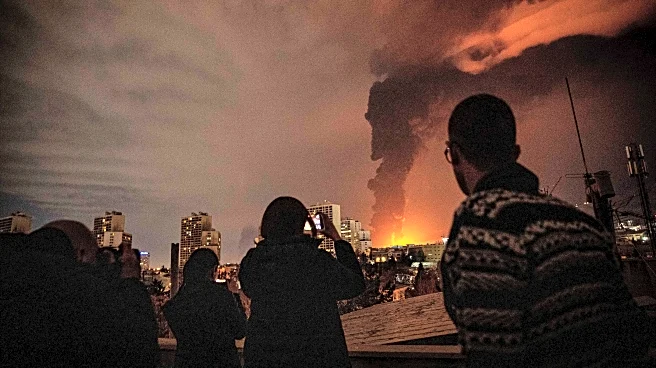
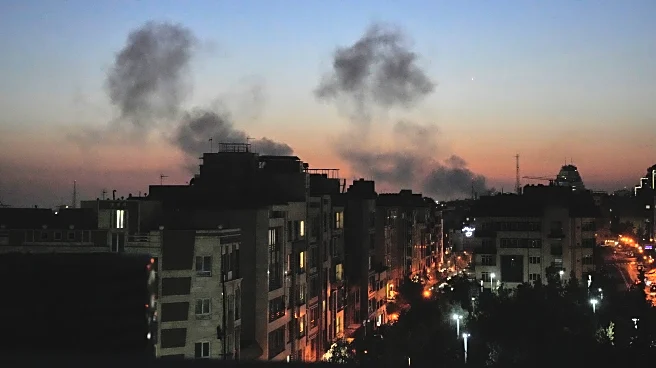
Iran is experiencing a leadership vacuum following the deaths of Ayatollah Ali Khamenei and over 40 top officials in a recent airstrike by Israel. The strike targeted the 'House of Leadership' in Tehran, leaving the regime without clear direction. The ongoing
'Rising Lion' air campaign by the US and Israel aims to dismantle Iran's military and nuclear capabilities. Despite internal repression, the regime struggles to maintain control amid economic collapse and widespread protests. The situation is exacerbated by Iran's failure to secure military support from Russia or China, leaving the regime vulnerable to further destabilization.
Why It's Important?
The decapitation of Iran's leadership marks a critical juncture in the country's political landscape. The loss of senior figures could weaken the regime's ability to govern and respond to external threats. This instability presents opportunities for opposition groups and could lead to significant changes in Iran's governance. The US and Israel's military actions aim to prevent Iran from advancing its nuclear program, but they also risk further regional conflict. The situation highlights the complexities of international diplomacy and the potential for shifts in power dynamics in the Middle East.
What's Next?
The future of Iran's regime remains uncertain, with potential for either a collapse or a reassertion of control. The international community will likely continue to exert pressure on Iran through sanctions and diplomatic efforts. The US and Israel may intensify their military campaign to further weaken Iran's capabilities. Meanwhile, internal dissent could grow, leading to increased civil unrest. The outcome will depend on the regime's ability to adapt and the response of global powers to the evolving situation.