





What's Happening?
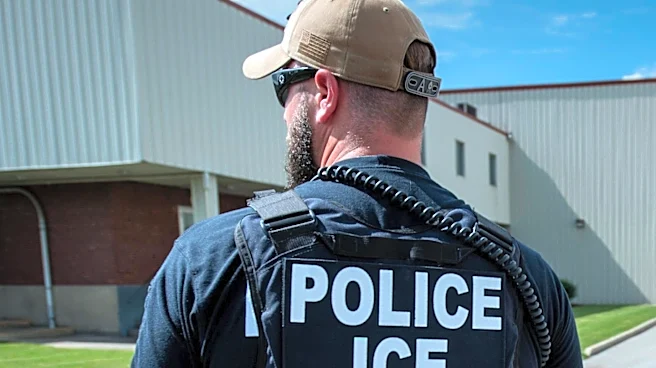
David Streever, a former journalist, was tracked by Homeland Security Investigations (HSI) agents after sending a critical email to Todd Lyons, the former acting director of U.S. Immigration and Customs Enforcement (ICE). The email, sent in January, expressed
moral outrage over federal immigration officers' actions. Months later, HSI agents visited Streever's home and tracked him to a hotel, raising concerns about surveillance and intimidation tactics. Civil liberties advocates argue that Streever's email was protected speech under the First Amendment and criticize the government's actions as an attempt to silence dissent.
Why It's Important?
This incident highlights ongoing tensions between government agencies and civil liberties in the U.S. The use of surveillance and intimidation tactics against critics of government policies raises significant concerns about free speech and privacy rights. The case underscores the potential for government overreach in monitoring and responding to dissent, which could have chilling effects on public discourse and activism. It also reflects broader issues of accountability and transparency within federal agencies, particularly in their handling of criticism and protest.
Beyond the Headlines
The situation with Streever may prompt legal and policy discussions about the balance between national security and individual rights. It raises questions about the ethical use of surveillance technologies and the potential for abuse in targeting individuals based on their political views. The case could lead to increased scrutiny of DHS and ICE practices, potentially influencing future legislation or reforms aimed at protecting civil liberties. It also serves as a reminder of the importance of safeguarding democratic principles in the face of security challenges.