







What's Happening?
The U.S. Naval Academy's alma mater, 'Navy Blue and Gold,' first publicly sung in 1926 and composed by J. W. Crosley, holds a profound place in the Academy's traditions. This song is distinct from the more rousing 'Anchors Aweigh,' offering a reflective
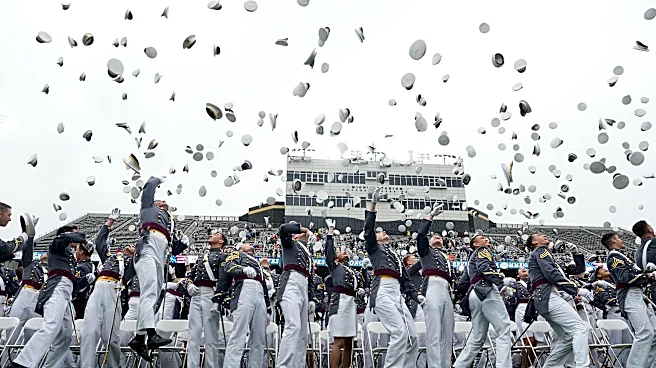
tone that connects the Academy's colors to generations of sailors, service, loyalty, and sacrifice. It is traditionally sung at the conclusion of all Navy sporting events, regardless of the outcome, reminding participants that belonging to the Naval Academy transcends the final score. The song also plays a significant role on Graduation Day, where the graduating class sings it before the traditional exchange of cheers and hat toss, and new midshipmen hear it during their Induction Day ceremony, effectively bookending their experience at the Academy.
Why It's Important?
The 'Navy Blue and Gold' alma mater is more than just a song; it is a cornerstone of the U.S. Naval Academy's identity and a powerful symbol of its enduring values. Its reflective nature encourages midshipmen and alumni to consider the deeper meaning behind the Academy's colors and the responsibilities that come with wearing them. This emphasis on service, loyalty, and sacrifice reinforces the core tenets of military leadership and prepares midshipmen for their future roles as officers in the Navy and Marine Corps. The tradition of singing it after every sporting event, win or lose, instills a sense of humility and emphasizes the collective identity of the Academy over individual athletic achievements. This fosters a strong sense of community and shared purpose, which is crucial for military cohesion. The song's presence at both Induction Day and Graduation Day highlights the transformative journey of a midshipman, marking the beginning and culmination of their rigorous training and commitment to national service.
What's Next?
The tradition of 'Navy Blue and Gold' will continue to be a central element of the U.S. Naval Academy experience. Future midshipmen will be introduced to the song upon their arrival, and it will remain a staple at sporting events, ceremonies, and particularly at graduation. The song's enduring presence ensures that the values it represents—service, loyalty, and sacrifice—are continually reinforced across generations of naval officers. The Academy will likely continue to promote these traditions through its official tours and public events, inviting visitors to experience the profound meaning behind the blue and gold. This ongoing emphasis helps to maintain the unique culture of the Naval Academy and its role in shaping the character of future military leaders. The song will continue to serve as a powerful reminder of the commitment undertaken by those who pass through the Academy's gates.
Beyond the Headlines
The 'Navy Blue and Gold' alma mater delves into the less obvious, yet deeply significant, cultural and ethical dimensions of military education. It transcends mere institutional pride, serving as a constant ethical compass for midshipmen. The song's focus on the responsibility associated with the Academy's colors encourages a profound introspection about duty and honor, which are critical for individuals who will eventually lead in high-stakes environments. This cultural artifact helps to forge a collective identity that extends beyond the four years at the Academy, creating a lifelong bond among alumni. It subtly communicates the idea that their service is part of a larger, historical continuum, connecting them to past and future generations of naval officers. This deep-seated tradition contributes to the unique ethos of the U.S. Naval Academy, distinguishing it as an institution that not only educates but also profoundly shapes character and instills a lasting sense of purpose and belonging.