








What's Happening?
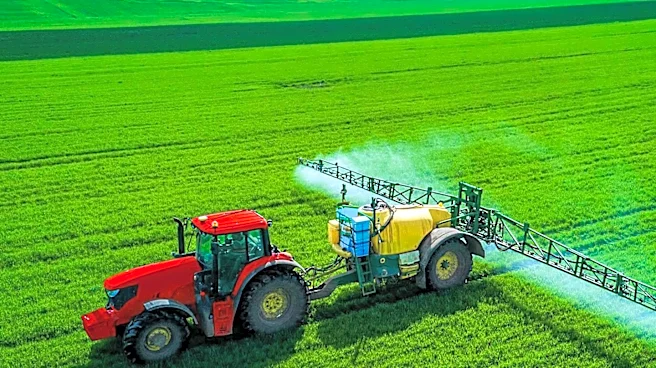
President Trump has signed an executive order aimed at promoting precision agriculture and regenerative farming practices in the United States. The order calls for a significant increase in funding for regenerative agriculture research and education.
Key figures such as Jonathan Lundgren, founder of the Ecdysis Foundation, and several farmers were present at the signing. The order directs the USDA Secretary, Brooke Rollins, to maximize funding for the new Regenerative Pilot Program and to explore public-private partnerships to expand these practices. The initiative is part of a broader effort to make U.S. food healthier and more affordable, and it coincides with the establishment of the Make America Healthy Again Commission. The executive order also tasks the EPA Administrator, Lee Zeldin, with prioritizing the registration of alternative crop protection tools and ensuring safety standards for chemical products.
Why It's Important?
This executive order represents a significant policy shift towards sustainable agriculture, which could have far-reaching impacts on the U.S. farming industry. By prioritizing regenerative practices, the order aims to improve soil health, increase farm resilience, and support rural communities. The initiative could lead to a reduction in the environmental and health costs associated with conventional farming methods. Additionally, the focus on public-private partnerships may encourage innovation and investment in sustainable agriculture technologies. The order's emphasis on food safety and security aligns with broader public health goals, potentially influencing future agricultural policies and practices.
What's Next?
The USDA and EPA will begin implementing the directives outlined in the executive order, including increasing funding for regenerative agriculture and reviewing chemical safety standards. The success of these initiatives will depend on collaboration between government agencies, farmers, and private sector partners. The administration's support for regenerative agriculture may also inspire legislative backing from Republican lawmakers, potentially leading to further policy developments. Stakeholders in the agricultural sector will be closely monitoring the implementation of these programs and their impact on farming practices and food production.