
What's Happening?
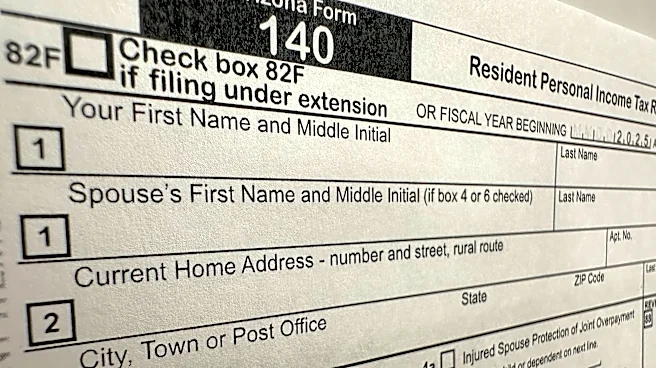
The United States Postal Service (USPS) has implemented new postmark rules that could significantly impact tax filings and mortgage processes. The changes mean that a mailed tax return's postmark may now
reflect its processing date rather than the date it was sent. This shift creates uncertainty for homeowners and buyers who rely on timely submission of tax returns for mortgage applications and refinancing efforts. Delays in processing could prevent the generation of essential IRS transcripts, which are mandatory for verifying income and completing mortgage deals. The inability to provide verified tax records can lead to underwriting delays, missed rate lock windows, and even loan denials if previous years' income isn't sufficient.
Why It's Important?
The new USPS postmark rules have significant financial implications for homeowners and the real estate market. Delays in processing tax returns can disrupt mortgage applications and refinancing efforts, potentially increasing monthly payments and total costs for homeowners. The changes highlight the importance of timely and accurate tax filings in the mortgage process, as well as the potential financial repercussions of delays. The situation underscores the need for homeowners to adopt digital solutions, such as e-filing, to ensure timely submission and processing of tax returns. The USPS's rule changes also reflect broader challenges in adapting traditional mail services to meet the needs of a digital economy.
What's Next?
Homeowners and buyers are advised to e-file their tax returns to avoid potential delays and complications. E-filing provides a timestamped submission, quicker processing, and a verifiable digital trail crucial for lenders. Homeowners should also retain acknowledgment of their filings, use reputable platforms, and create an IRS.gov account to monitor transcripts. Proactive communication with lenders about any extensions or delays is also recommended. The USPS may face pressure to address the challenges posed by the new postmark rules and explore ways to improve processing efficiency and reliability.