




What's Happening?
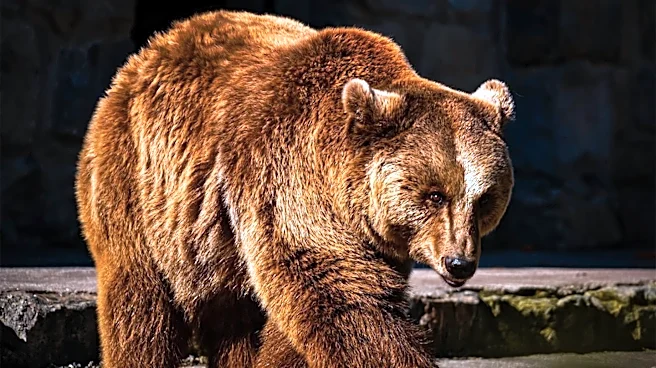
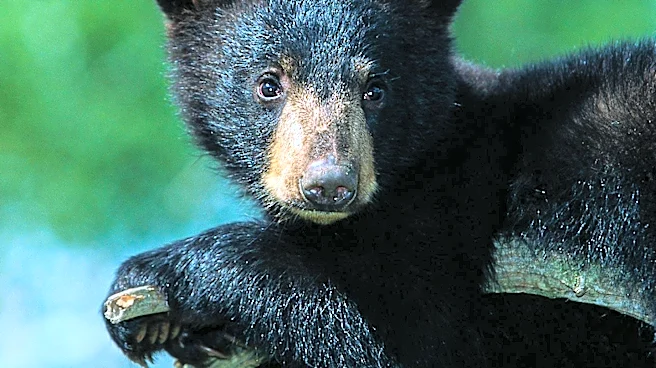
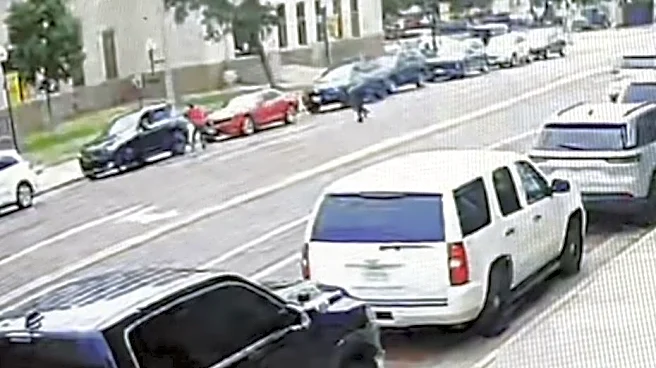
A black bear was found dead inside an unlocked vehicle in central Colorado Springs after being trapped for several days in sweltering summer heat. The 250-pound animal entered the car, destroyed its interior, and was unable to exit, according to Colorado Parks
and Wildlife (CPW). This incident follows a similar event in Manitou Springs on July 29, where police responded to reports of another bear trapped in a vehicle. CPW Wildlife Officer Travis Sauder explained that bears often enter unlocked vehicles seeking food, and sometimes the doors close behind them, preventing escape. The agency has reported a significant increase in bear sightings and conflicts this year, with 6,129 reports between January 1 and August 13, nearly double the 3,115 reports from the same period last year. This surge is attributed to a 'food failure' year, caused by low snowpack and late freezes, which has diminished natural food sources for bears.
Why It's Important?
This incident underscores the critical importance of vehicle security and proper food storage in areas with active bear populations. The death of the bear highlights the unintended consequences of human-wildlife interactions, particularly when attractants like food are left accessible. For residents and visitors in Colorado, the increased bear activity due to natural food scarcity means a higher risk of property damage and potential safety concerns. Bears that become habituated to human food sources often lose their natural wariness, which can lead to them being deemed a threat and, in some cases, euthanized. The financial impact of vehicle damage, as seen in this case, can be substantial for individuals, while the broader ecological impact involves the disruption of wildlife behavior and potential loss of life for these animals. The incident serves as a stark reminder for communities to adopt 'BeBearWise' practices to mitigate such occurrences.
What's Next?
Authorities, including Colorado Parks and Wildlife, are intensifying their public awareness campaigns, urging drivers to consistently lock their vehicle doors and windows and remove any food or trash that could attract bears. The 'BeBearWise' initiative will likely see increased promotion to educate the public on preventing bear encounters and ensuring both human and animal safety. Residents in affected areas can expect continued advisories and potentially stricter enforcement of regulations regarding attractant management. Given the ongoing 'food failure' year, bear-human interactions are expected to remain elevated, necessitating sustained vigilance from the community. Local law enforcement and wildlife agencies will continue to respond to reports of bear sightings and conflicts, working to manage these situations and prevent further incidents.
Beyond the Headlines
The tragic death of the bear in Colorado Springs points to a broader ecological challenge driven by climate patterns and human encroachment. The 'food failure' year, characterized by low snowpack and late freezes, is a direct consequence of environmental shifts that impact wildlife habitats and food availability. This forces bears into closer proximity with human settlements, increasing the likelihood of conflicts. The incident also raises ethical questions about human responsibility in coexisting with wildlife, particularly in rapidly developing areas. The destruction of the car's interior by the trapped bear illustrates the powerful instinct of these animals when desperate for sustenance and escape. This event serves as a poignant example of how human actions, even seemingly minor ones like leaving a car unlocked, can have significant and often fatal repercussions for wildlife, highlighting the need for greater environmental awareness and proactive conservation efforts.