
What's Happening?
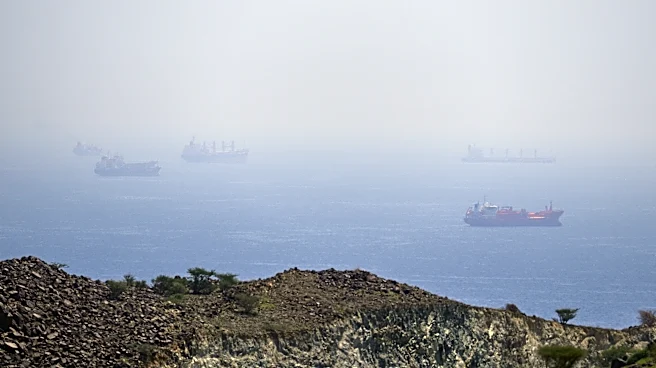
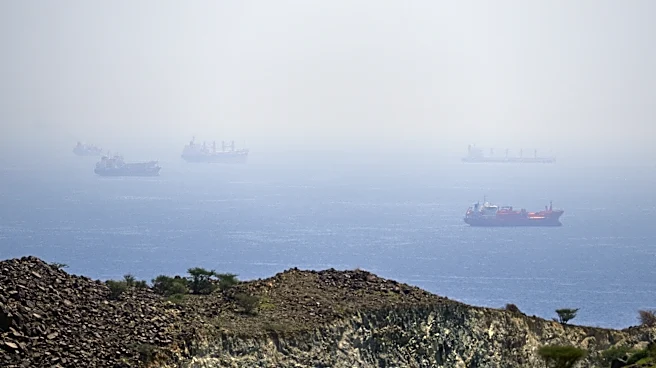
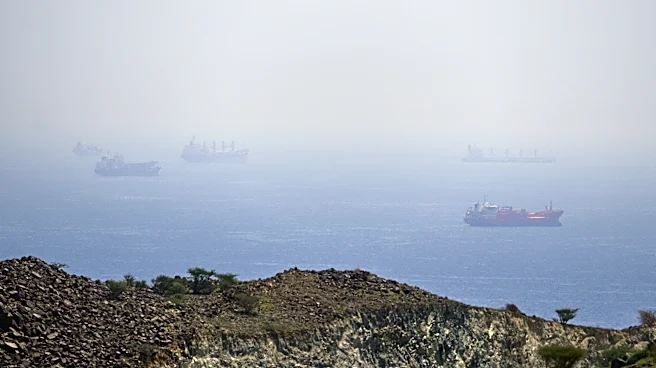
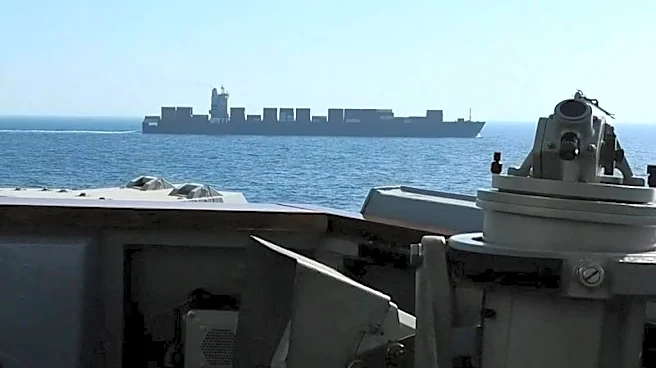
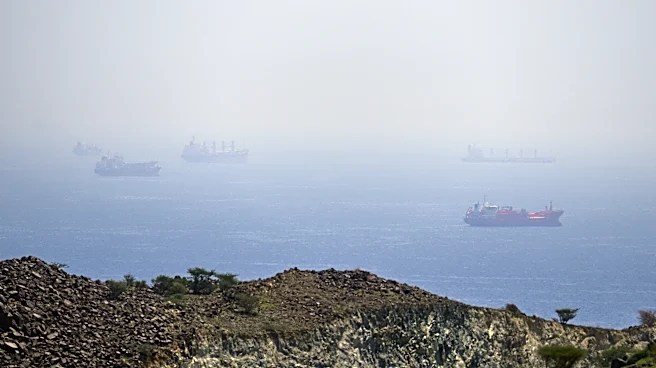
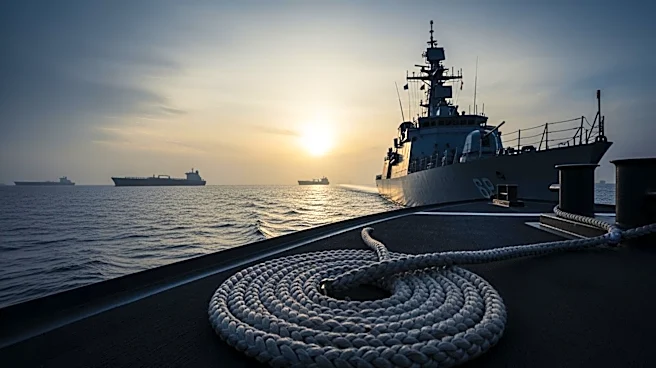
The United States has seized an Iranian-flagged cargo ship in the Gulf of Oman, escalating tensions between the two nations. President Trump announced that the ship was intercepted after allegedly attempting to breach an American naval blockade. This
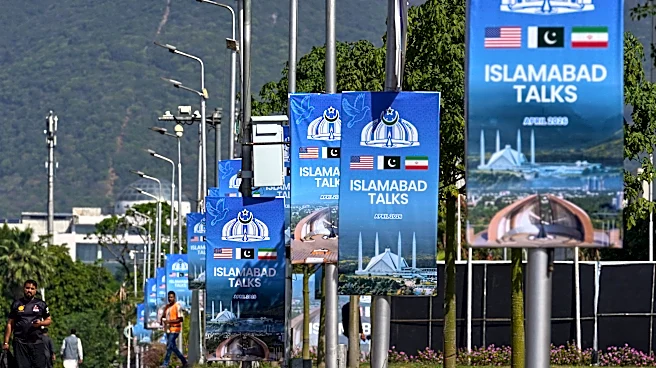
incident comes as the U.S. and Iran accuse each other of ceasefire violations, with the truce set to expire soon. Iran has condemned the seizure as an act of piracy and has vowed retaliation. Meanwhile, U.S. officials, including Vice President JD Vance and special envoy Steve Witkoff, are expected to travel to Pakistan for further negotiations, although Iranian media disputes the likelihood of talks under current conditions.
Why It's Important?
The seizure of the Iranian ship highlights the fragile state of U.S.-Iran relations and the potential for increased geopolitical instability. The incident could impact global oil markets, as tensions in the Strait of Hormuz often lead to fluctuations in oil prices. Additionally, the strained relations may affect U.S. foreign policy and military strategy in the Middle East. The situation also poses a challenge for the Biden administration, which seeks to balance diplomatic efforts with maintaining regional security. The outcome of these tensions could influence international alliances and economic conditions, particularly if the conflict escalates.
What's Next?
As the truce nears expiration, both nations face critical decisions regarding their next moves. The U.S. may continue to enforce its naval blockade, while Iran could pursue retaliatory actions. The potential for renewed negotiations remains uncertain, with conflicting reports about upcoming talks in Pakistan. The international community will likely monitor the situation closely, as any escalation could have widespread implications. Key stakeholders, including oil-importing countries and regional allies, may need to prepare for potential disruptions in trade and security.