





What's Happening?
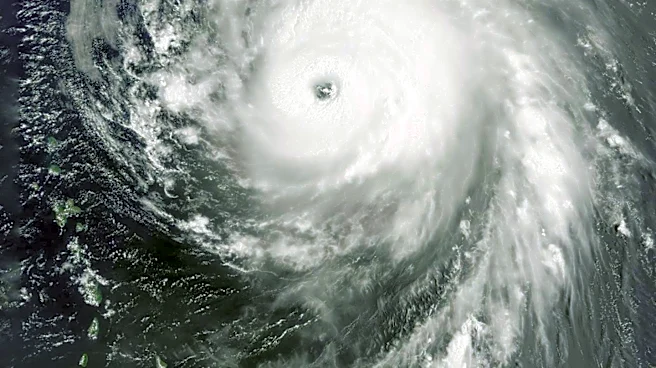
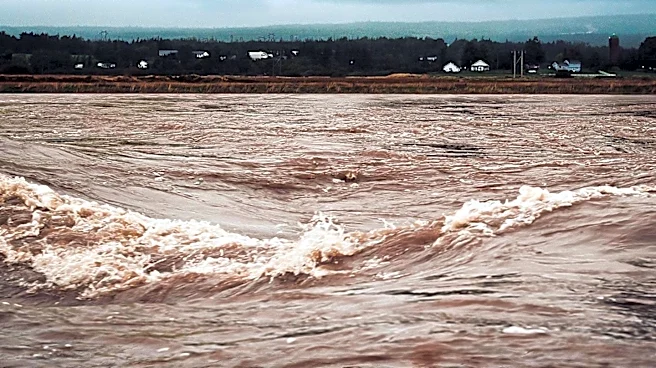
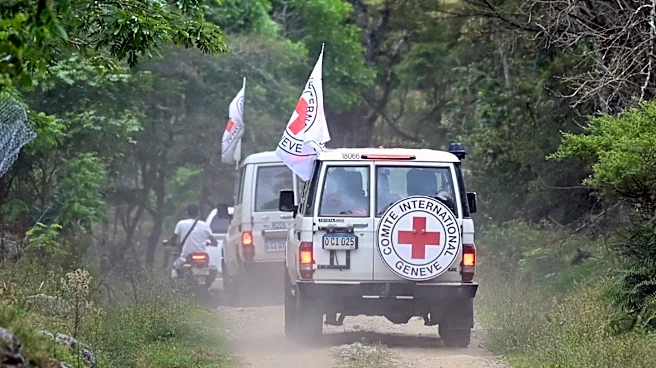
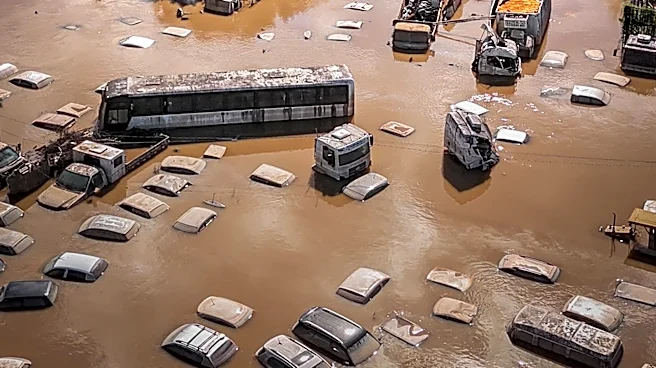
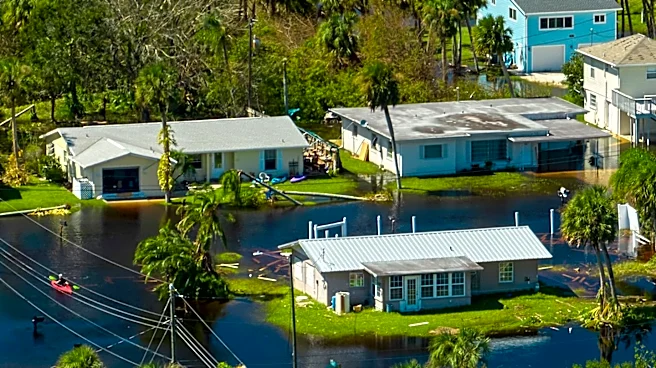
The International Federation of Red Cross and Red Crescent Societies (IFRC) is actively involved in addressing the humanitarian impacts of extreme weather events across Asia, as highlighted by recent reports of severe rainfall and flash floods. The IFRC has
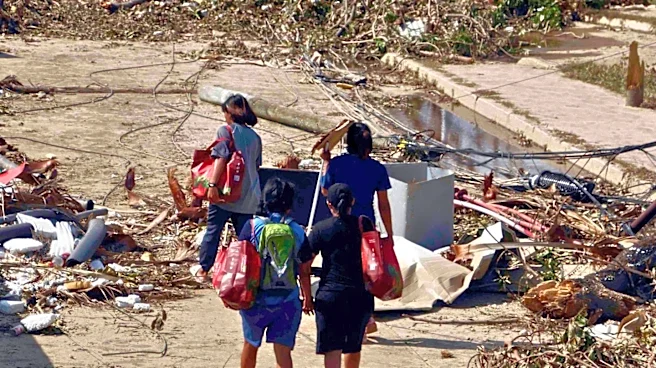
been instrumental in providing aid and facilitating interviews with affected individuals, such as Anar Gul from Afghanistan, who described unprecedented rainfall that led to the destruction of homes and infrastructure. The organization emphasizes the increasing volatility of climate-related disasters and the need for governments to invest in locally-led preparedness and mitigation strategies. Dr. Hosam Faysal, head of the IFRC’s country delegation in Afghanistan, stressed the importance of proactive measures to prevent loss of life and suffering before disasters occur.
Why It's Important?
The involvement of the IFRC in these climate-related crises underscores the growing need for international cooperation and investment in disaster preparedness and resilience. As climate change continues to exacerbate weather patterns, regions like Asia are experiencing more frequent and severe natural disasters, impacting millions of lives. The IFRC's call for increased investment in local preparedness highlights the necessity for sustainable solutions to mitigate the effects of climate change. This situation also serves as a reminder of the interconnectedness of global communities and the shared responsibility to address climate change and its impacts.
What's Next?
The IFRC and other humanitarian organizations are likely to continue advocating for increased funding and support for climate resilience initiatives. Governments in affected regions may face pressure to implement more robust disaster preparedness and response strategies. Additionally, the forecasted El Niño event could further strain resources and necessitate coordinated international efforts to address the anticipated challenges. The IFRC's emphasis on proactive measures suggests a shift towards long-term planning and investment in community resilience to better withstand future climate-related disasters.