


What's Happening?
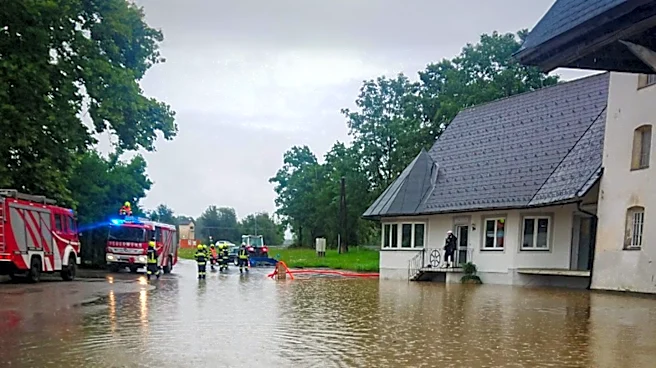
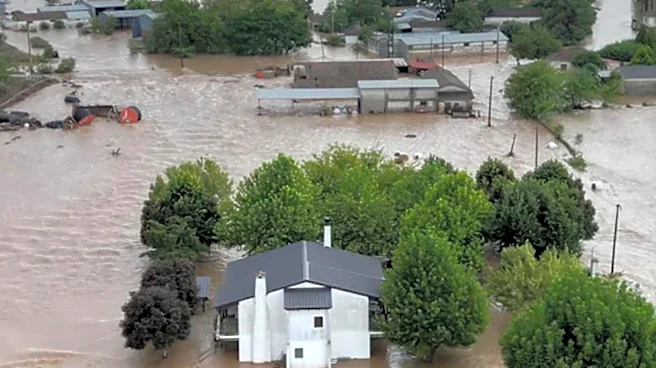
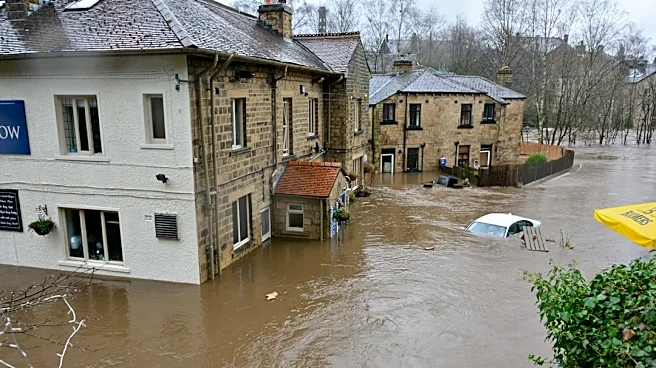
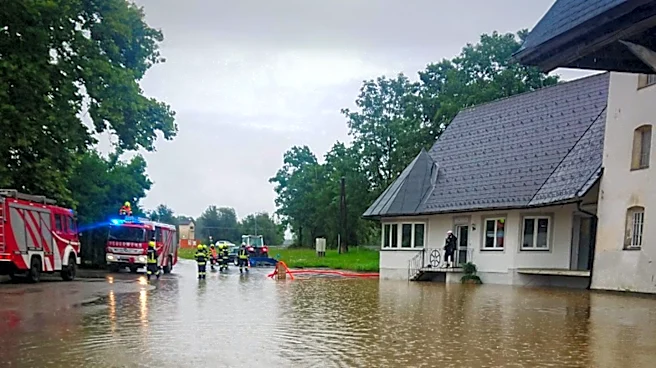
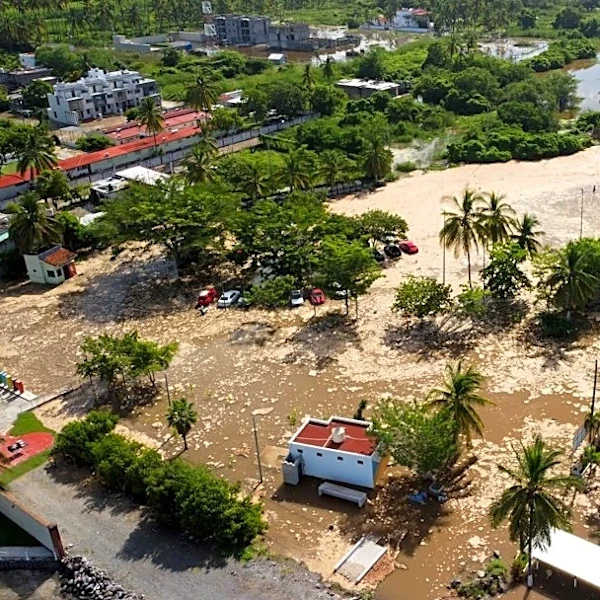
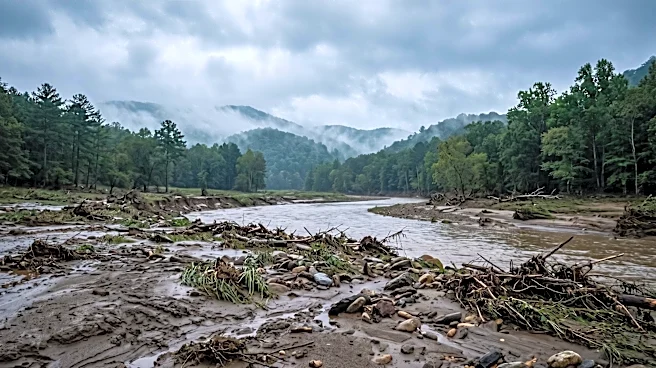
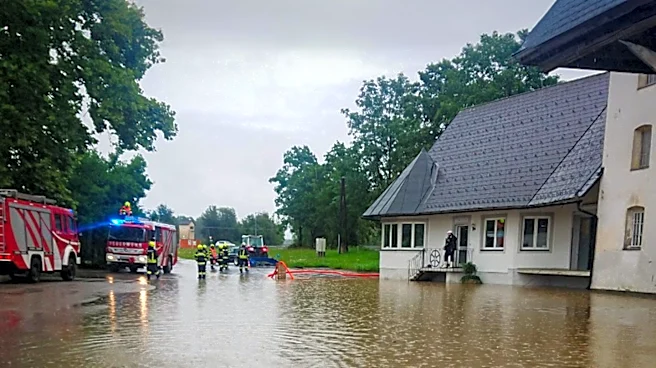
A severe storm system has caused what the National Weather Service describes as a catastrophic, 1-in-1,000-year flood event along the Tennessee-Georgia state line. The storm, which brought over 10 inches of rain in a six-hour period to the Toccoa River
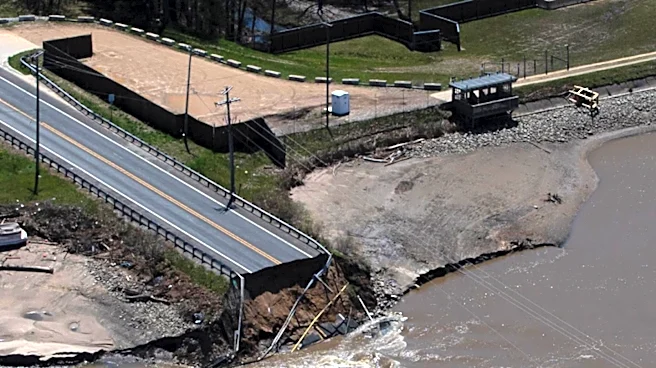
watershed, has since moved up the Eastern Seaboard, prompting flood advisories from North Carolina to Massachusetts. Communities like McCaysville, Georgia, and Copperhill, Tennessee, are facing extensive damage, with downtown areas covered in mud and critical infrastructure, including water treatment plants and police departments, rendered inoperable. This marks the second major flood for these towns in three months, with an earlier event in August categorized as a 1-in-500-year flood. Georgia Governor Brian Kemp has declared a state of emergency for four affected counties to facilitate resource allocation. Tragically, at least one fatality has been reported, with 56-year-old Julie Barrs dying while attempting to drive through floodwaters in Murray County, Georgia. Residents and crews are engaged in cleanup efforts, while authorities have restricted access to damaged areas and implemented curfews.
Why It's Important?
This extreme weather event highlights the increasing vulnerability of U.S. communities to severe flooding, with two historically rare events occurring in the same region within a short span. The significant damage to infrastructure, businesses, and homes in Tennessee and Georgia underscores the economic and social disruption caused by such disasters. The loss of essential services, like water treatment and police facilities, severely impacts public safety and daily life, necessitating substantial recovery efforts and financial aid. The declaration of a state of emergency by Governor Kemp is crucial for mobilizing state resources, but the long-term recovery will likely require federal assistance. The repeated nature of these floods also raises questions about climate resilience and urban planning in flood-prone areas, suggesting a need for revised infrastructure standards and emergency preparedness strategies to mitigate future impacts. The broader flood advisories along the Atlantic coast indicate a widespread risk, affecting numerous states and potentially disrupting regional economies and transportation.
What's Next?
Cleanup and recovery efforts will continue in McCaysville, Georgia, and Copperhill, Tennessee, with residents and businesses facing a long road to rebuilding. Authorities will assess the full extent of the damage to infrastructure and private property, which will inform the scope of state and potentially federal aid required. The Tennessee Valley Authority will continue to manage water levels at its hydroelectric dams along the Toccoa and Ocoee Rivers to prevent further flooding. As the storm system progresses up the Atlantic coast, communities in states from North Carolina to Massachusetts will remain under flood advisories, requiring residents to stay vigilant and prepared for potential flooding. Emergency services in these areas will be on high alert, ready to respond to any incidents. The repeated nature of these severe floods may prompt discussions among local and state officials regarding long-term flood mitigation strategies, including infrastructure improvements and updated zoning regulations, to better protect communities from future extreme weather events.
Beyond the Headlines
The occurrence of two '1-in-500-year' and '1-in-1,000-year' flood events within three months in the same region challenges conventional understandings of extreme weather probability and recurrence intervals. This pattern suggests a potential shift in regional climate dynamics, raising critical questions about the adequacy of current flood plain mapping and risk assessment models. The psychological toll on residents who have experienced repeated devastation, as highlighted by McCaysville Police Chief Michael Otis Earley's statement, underscores the need for robust community support and mental health resources in disaster recovery. Furthermore, the widespread impact of the storm system across multiple states along the Eastern Seaboard points to a broader national challenge in adapting to more frequent and intense weather phenomena. This situation could accelerate policy discussions on climate resilience, infrastructure investment, and the role of federal agencies like FEMA in supporting communities facing unprecedented environmental challenges, potentially leading to significant shifts in national disaster preparedness and response frameworks.