





What's Happening?
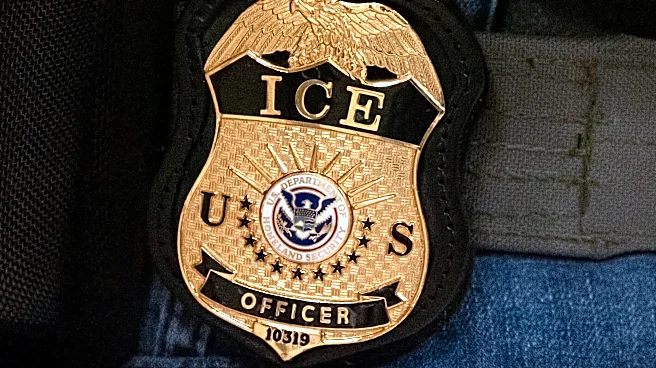
The introduction of body cameras for ICE agents is underway, with the aim of increasing accountability during enforcement activities. Despite the rollout, there is skepticism about whether body cameras will effectively reduce incidents of excessive force.
The White House has confirmed that over half of ICE field offices now have body cameras, with full implementation expected soon. However, studies suggest that body cameras do not significantly alter officer or citizen behavior, raising questions about their impact on ICE operations.
Why It's Important?
The deployment of body cameras is part of a broader effort to enhance transparency and accountability in law enforcement. However, the mixed evidence on their effectiveness highlights the complexity of addressing use-of-force issues. While body cameras can provide valuable evidence in disputes, they do not inherently prevent incidents of violence. This development is crucial as it reflects ongoing debates about law enforcement practices and the balance between security and civil liberties.
Beyond the Headlines
The use of body cameras by ICE also raises concerns about increased surveillance capabilities. Critics argue that while cameras may document incidents, they do not address the root causes of violence or prevent it. The presence of cameras could also lead to privacy concerns and potential misuse of footage. The debate over body cameras underscores the need for comprehensive reforms in law enforcement practices to ensure accountability and protect civil rights.