





What's Happening?
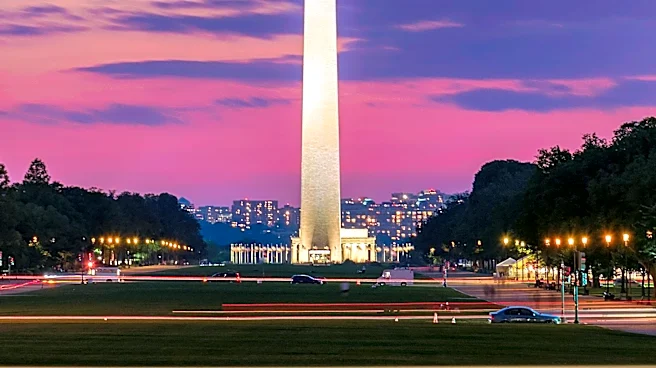
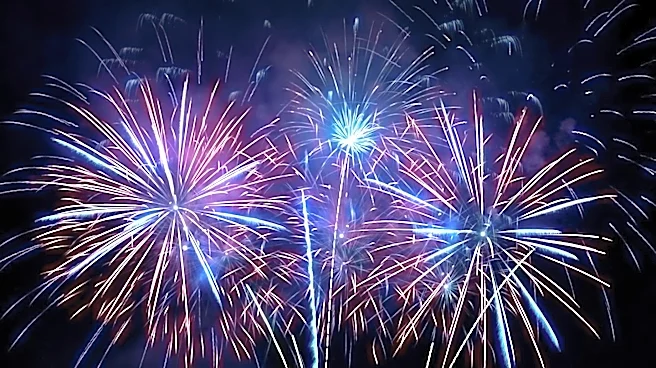
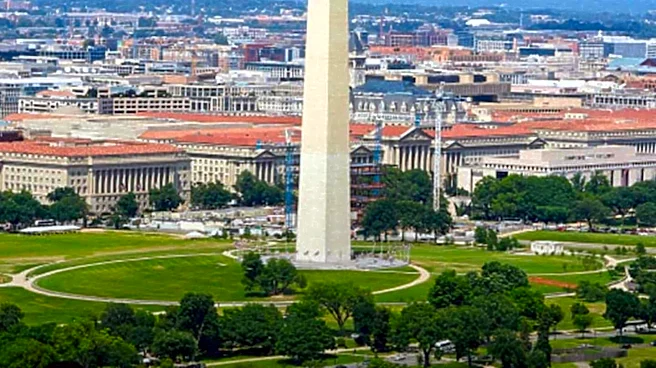
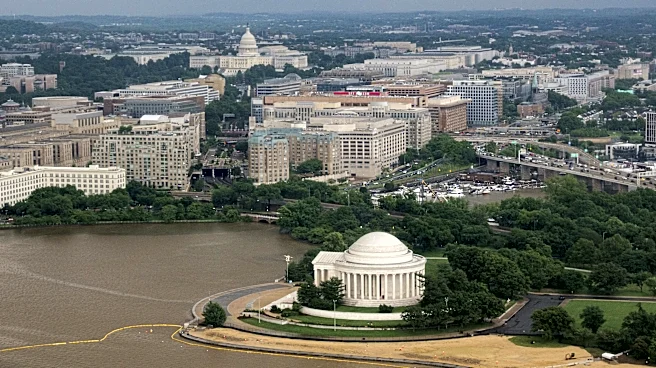
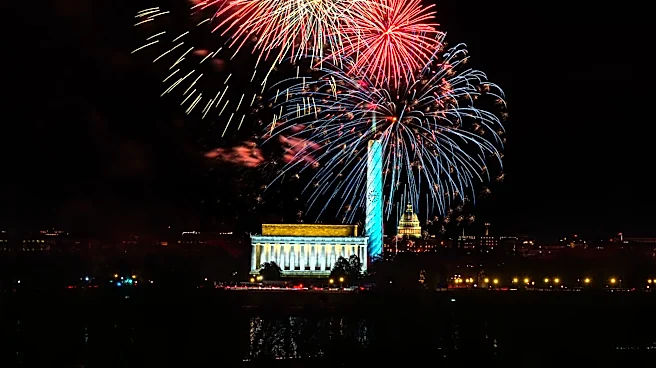
Washington D.C. recorded the worst air quality of any major city in the world following a massive Fourth of July fireworks display. The event, organized by the Trump-backed non-profit Freedom 250, featured over 850,000 fireworks launched from ten sites
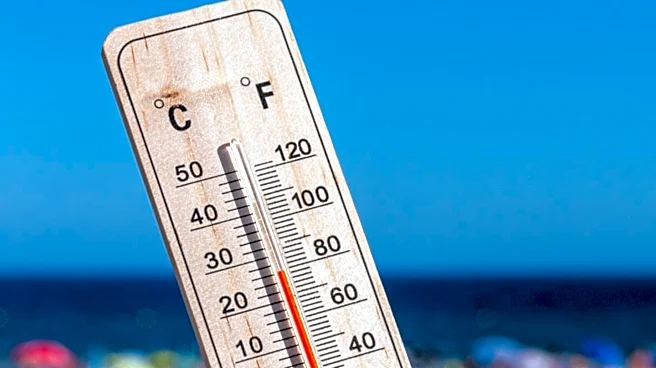
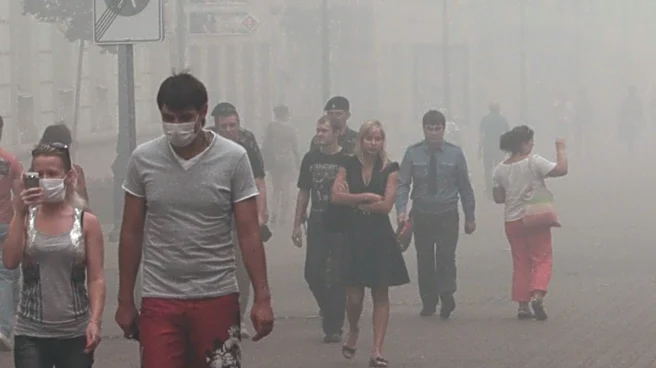
across the capital. This display significantly exceeded the typical 17,000 shells used in past Independence Day celebrations. The fireworks show, which President Trump described as 'spectacular,' coincided with an extreme heatwave, exacerbating air quality issues. According to AirNow, the Environmental Protection Agency's air quality monitoring website, the city's air quality reached levels deemed 'unhealthy for sensitive groups.' The Clarity Movement, in partnership with the local department of energy and environment, reported that hourly concentrations of particulate matter rose to 6.7 times their pre-fireworks levels. The air quality remained poor for several hours after the event, prompting city officials to issue a Code Red alert.
Why It's Important?
The significant deterioration in air quality highlights the environmental impact of large-scale fireworks displays, particularly in urban areas. The event underscores ongoing concerns about pollution and public health, especially for vulnerable populations such as seniors, children, and individuals with pre-existing health conditions. The Trump administration's rollback of pollution controls, including exemptions for polluting facilities and the promotion of coal power, further complicates efforts to address air quality issues. The administration's actions, such as pardoning individuals convicted of Clean Air Act violations, signal a broader shift away from stringent environmental regulations. This development raises questions about the balance between celebratory traditions and environmental responsibility, as well as the long-term implications for public health and climate policy.
What's Next?
In response to the air quality issues, there may be increased calls for stricter regulations on fireworks displays and other pollution sources. Environmental advocacy groups and public health officials could push for more comprehensive air quality monitoring and stricter enforcement of existing regulations. The Trump administration's environmental policies are likely to face continued scrutiny and potential legal challenges from environmental organizations and state governments. Additionally, there may be discussions about alternative ways to celebrate national holidays that minimize environmental impact while preserving cultural traditions.
Beyond the Headlines
The event highlights the broader cultural and ethical considerations surrounding national celebrations and their environmental impact. As cities and states grapple with the effects of climate change and pollution, there may be a growing movement towards more sustainable and environmentally friendly celebrations. This could include the use of alternative technologies, such as drone light shows, which offer a visually impressive display without the associated air quality issues. The situation also raises questions about the role of government and private organizations in balancing cultural heritage with environmental stewardship.