



What's Happening?
The Horn of Africa is experiencing a deepening crisis marked by significant geopolitical tensions and rivalries among its nations. This situation was brought into sharp focus during the third Russia-Africa Summit in Moscow, where leaders from 48 African
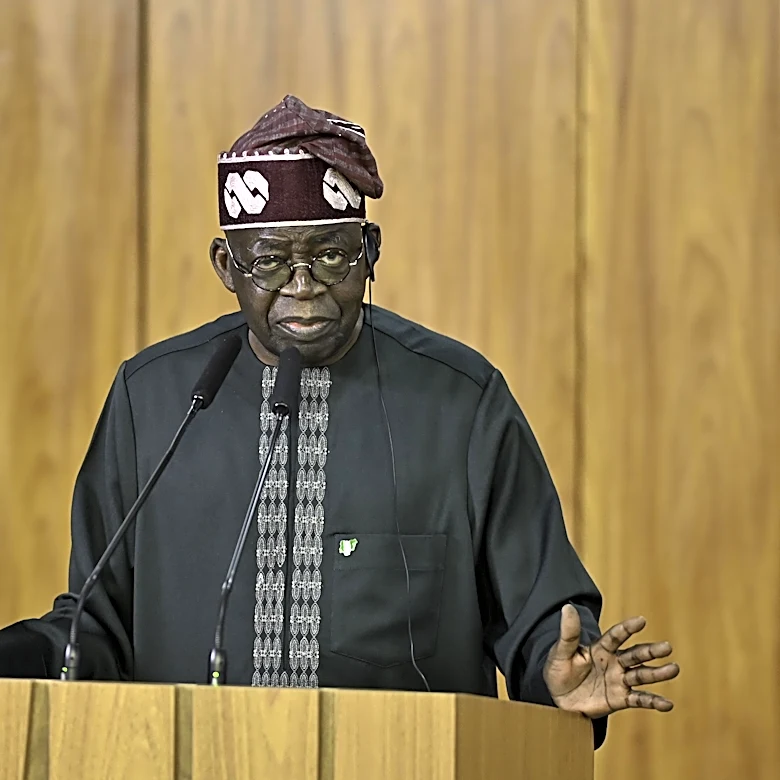
countries, including those from the Horn, gathered. Ethiopia, Eritrea, Egypt, and Sudan are increasingly divided over critical issues such as access to the Nile River and the Red Sea, territorial security, and the future of Sudan. Ethiopian Prime Minister Abiy Ahmed's attendance at the summit coincided with a volatile period, including deteriorating relations between Addis Ababa and Asmara, renewed fighting in Ethiopia's Tigray region, and Ethiopia's pursuit of sovereign maritime access. Concurrently, Egyptian President Abdel Fattah al-Sisi hosted a quadrilateral summit with Eritrean President Isaias Afwerki, Sudanese army chief Abdel Fattah al-Burhan, and Somali President Hassan Sheikh Mohamud, where they emphasized state sovereignty, territorial integrity, and peaceful dispute resolution, implicitly addressing Ethiopia's actions. These diplomatic maneuvers highlight the complex and often conflicting security priorities within the region, even as external powers like Russia seek to deepen their engagement.
Why It's Important?
The escalating tensions in the Horn of Africa carry significant implications for regional stability and international relations. The disputes over the Nile River, particularly concerning the Grand Ethiopian Renaissance Dam (GERD), directly affect water security for Egypt and Sudan, potentially leading to broader conflicts if not resolved diplomatically. Ethiopia's assertive pursuit of Red Sea access, viewed as an economic and strategic priority, raises sovereignty concerns for Eritrea and could destabilize existing maritime trade routes. The renewed conflict in Tigray and the ongoing war in Sudan further complicate the security landscape, risking wider regional conflagration. The involvement of external actors like Russia, seeking to expand influence through trade, agriculture, and security cooperation, adds another layer of complexity. These rivalries could undermine efforts toward regional cooperation and economic development, potentially leading to humanitarian crises and increased displacement, impacting global stability and humanitarian aid efforts.
What's Next?
The immediate future for the Horn of Africa will likely involve continued diplomatic maneuvering and potential escalation of existing disputes. The African Union has urged restraint and diplomatic solutions, but the effectiveness of these calls remains to be seen given the entrenched positions of the involved nations. Ethiopia's continued push for maritime access, potentially through Eritrea's port of Assab, will remain a flashpoint. The unresolved Nile dispute will require ongoing negotiations, with Egypt and Sudan seeking binding agreements on water management. The internal conflicts in Ethiopia and Sudan also pose significant risks, with potential for spillover effects into neighboring countries. International bodies and regional organizations will likely increase their diplomatic efforts to mediate these conflicts, but without a fundamental shift in national priorities or a willingness to compromise, the region faces a prolonged period of instability. The role of external powers, including Russia, in either exacerbating or mitigating these tensions will also be a critical factor to watch.
Beyond the Headlines
The underlying issues in the Horn of Africa extend beyond immediate geopolitical rivalries, touching upon deep-seated historical grievances, national identity, and resource scarcity exacerbated by climate change. Ethiopia's landlocked status since Eritrea's independence in 1993 has fueled a long-standing desire for sovereign sea access, which is now being pursued with renewed vigor, potentially challenging established international norms of sovereignty and territorial integrity. The Nile River, a lifeline for millions, embodies a complex interplay of developmental aspirations (Ethiopia's GERD) versus existential water security concerns (Egypt and Sudan). These disputes highlight the broader challenge of resource management in a rapidly changing climate. Furthermore, the involvement of global powers like Russia, seeking to expand their geopolitical footprint, underscores a shift in international alliances and the potential for proxy conflicts. The region's instability could also create fertile ground for extremist groups, further complicating security efforts and humanitarian responses, leading to long-term impacts on human development and regional integration.