

What's Happening?
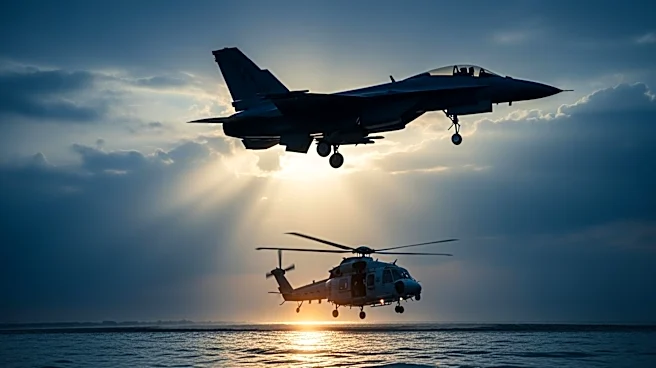
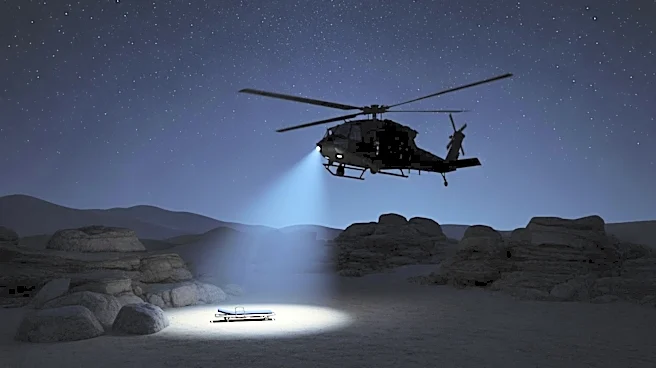
The US Air Force Pararescue unit, known as the 'PJs', has been tasked with a high-stakes mission to rescue a downed American F-15 fighter jet pilot and navigator from Iranian territory. This elite unit, part of the Joint Special Operations Command, is renowned
for its ability to operate in hostile environments, often under heavy fire. The PJs are trained to perform rescues in 'denied areas', where they face significant threats such as sophisticated air defenses and the risk of capture. The unit's origins date back to World War II, when the need for a specialized rescue force became apparent. Today, every member is a certified paramedic, capable of providing life-saving medical care in combat situations. The PJs have completed over 12,000 combat rescue missions since the September 11, 2001 attacks, showcasing their critical role in military operations.
Why It's Important?
The mission underscores the strategic importance of the PJs in US military operations, particularly in high-risk environments. Their ability to conduct rescues behind enemy lines is crucial for recovering personnel and maintaining morale among US forces. The operation in Iran highlights the geopolitical tensions and the complexities of military engagements in the region. Successful missions by the PJs can enhance US military capabilities and readiness, while failures could have significant diplomatic and operational repercussions. The PJs' extensive training and unique skill set make them indispensable in scenarios where conventional forces might be unable to operate.
What's Next?
The outcome of the current mission in Iran will likely influence future US military strategies and the deployment of special operations forces. A successful rescue could bolster confidence in the PJs' capabilities and lead to increased reliance on such units for complex operations. Conversely, any setbacks could prompt a reevaluation of tactics and training. The mission's success or failure may also impact US-Iran relations, potentially affecting diplomatic efforts and military postures in the region. The PJs' ongoing role in contingency operations, such as astronaut rescues, further emphasizes their versatility and importance in diverse scenarios.