



What's Happening?
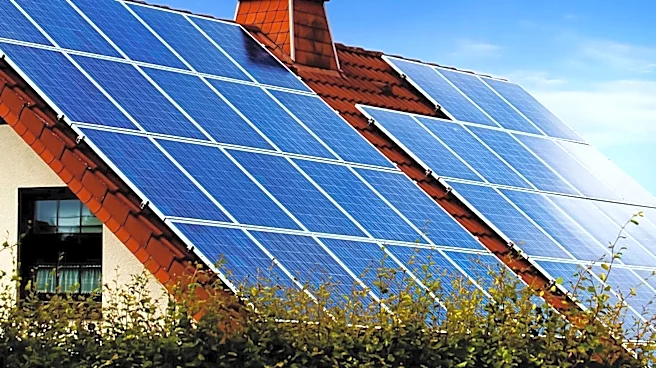
A draft climate plan for Wausau, Wisconsin, suggests that the city's rooftops could generate more electricity than the city currently consumes. The plan, which will be reviewed by the city's Sustainability, Energy and Environment Committee, estimates
that 77% of Wausau's rooftops are suitable for solar panels, capable of producing 501,000 megawatt-hours annually. This figure surpasses the city's 2025 electricity consumption of approximately 452,675 megawatt-hours. The plan includes surveys to gauge community and business priorities on sustainability issues, such as clean energy and waste management. The committee will also discuss transportation and waste management strategies as part of the broader climate action initiative.
Why It's Important?
The proposal to utilize rooftop solar power in Wausau represents a significant step towards sustainable energy solutions and reducing reliance on non-renewable resources. If implemented, this initiative could position Wausau as a leader in municipal clean energy efforts, potentially inspiring other cities to adopt similar strategies. The plan addresses critical issues such as energy equity, as lower-income households often face higher energy burdens. By promoting solar energy, the city could alleviate some of these financial pressures while contributing to environmental conservation. The initiative aligns with broader goals of reducing carbon emissions and combating climate change.
What's Next?
The Sustainability, Energy and Environment Committee will vote on various sections of the climate plan, including energy use and community surveys. Public input will be considered during the meeting, and the full plan is expected to be adopted next year. The city aims to achieve 100% clean energy for government operations by 2050, and the plan outlines steps to engage both residents and businesses in this transition. Future discussions will focus on transportation and waste management, with potential initiatives like Earth Week events to raise awareness and encourage community participation in sustainability efforts.