


What's Happening?
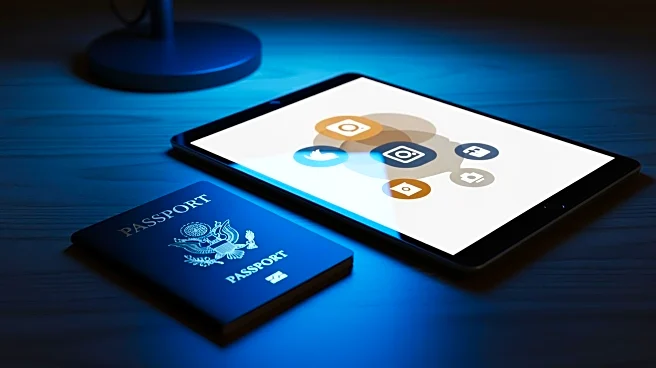
The Trump administration has proposed new regulations requiring travelers from 42 countries participating in the U.S. visa waiver program to submit five years of social media history as part of their entry process. This proposal, announced by the Department
of Homeland Security, is open for public comment for 60 days before potentially being enacted. The measure aims to enhance security by allowing U.S. Customs and Border Protection to review social media activity, emails, phone numbers, and home addresses of applicants. This initiative is part of a broader effort by the administration to tighten immigration controls, following previous actions such as scrutinizing social media accounts of foreign students and rejecting certain visa applications. The current visa waiver program allows citizens from allied countries to enter the U.S. without a visa, using the Electronic System for Travel Authorization (ESTA). However, the proposed changes could replace online applications with a mobile-only platform.
Why It's Important?
This proposal reflects the Trump administration's ongoing focus on national security and immigration control. By expanding the scope of information required from visa waiver travelers, the administration aims to prevent potential threats from entering the U.S. However, this move raises concerns about privacy and the potential for subjective interpretation of what constitutes a security threat. Critics argue that the lack of clear guidelines could lead to arbitrary decisions by border officials, potentially affecting international relations and tourism. The proposal also highlights the increasing role of social media in security assessments, which could impact how individuals manage their online presence.
What's Next?
If implemented, the new rules could significantly alter the visa waiver process, affecting millions of travelers from countries like Australia, France, and Japan. Stakeholders, including civil rights groups and international governments, may respond with legal challenges or diplomatic negotiations. The public comment period will provide an opportunity for feedback, which could influence the final decision. Additionally, the administration will need to clarify how the new screening process will be conducted and what specific online activities will be deemed threatening.
Beyond the Headlines
The proposal raises broader questions about the balance between security and privacy in the digital age. As governments increasingly rely on social media data for security purposes, individuals may need to reconsider their online behavior. This development also underscores the potential for digital footprints to influence international travel and immigration decisions. The discretionary power given to border officials could lead to inconsistent application of the rules, potentially affecting individuals based on their political views or associations.