


What's Happening?
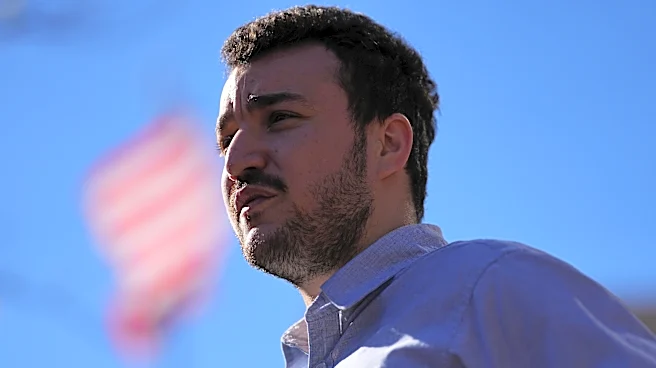
Dan Greaney, a comedy writer known for his work on 'The Simpsons,' has announced his candidacy for the 2028 U.S. presidential election. Greaney, who famously wrote a 2000 episode of 'The Simpsons' that predicted a Donald Trump presidency, declared his run
as a 'progressive Republican' through an Instagram video. In the video, he humorously donned a 'prophet' costume before revealing his political ambitions. Greaney's platform focuses on 'restoring democracy' and 'rebuilding America,' with proposals such as expanding the Supreme Court, implementing universal healthcare, and enacting a Green New Deal. He criticizes both major political parties for their handling of current issues and aims to challenge the status quo.
Why It's Important?
Greaney's entry into the presidential race highlights the increasing diversity of candidates and platforms in U.S. politics. His focus on progressive reforms within the Republican framework could appeal to voters seeking alternatives to traditional party lines. By addressing issues like Supreme Court expansion and healthcare, Greaney taps into ongoing national debates. His candidacy also underscores the influence of media and entertainment figures in politics, reflecting a trend where public personalities leverage their platforms for political engagement. This development could impact the strategies of other potential candidates and shape the discourse leading up to the 2028 election.
What's Next?
As Greaney's campaign unfolds, it will be crucial to observe how his platform resonates with voters and influences the broader political landscape. His proposals may prompt responses from established political figures and parties, potentially leading to shifts in policy discussions. Additionally, Greaney's unique background in entertainment could attract media attention, affecting public perception and engagement. The reaction from both Republican and Democratic contenders will be telling, as they may need to address or counter his progressive Republican stance. The evolution of Greaney's campaign will provide insights into the viability of non-traditional candidates in future elections.