






What's Happening?
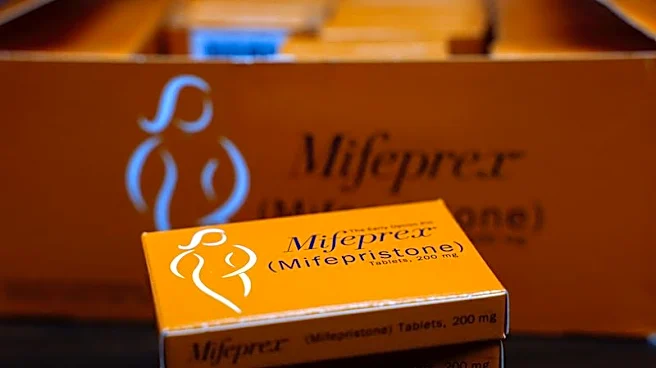
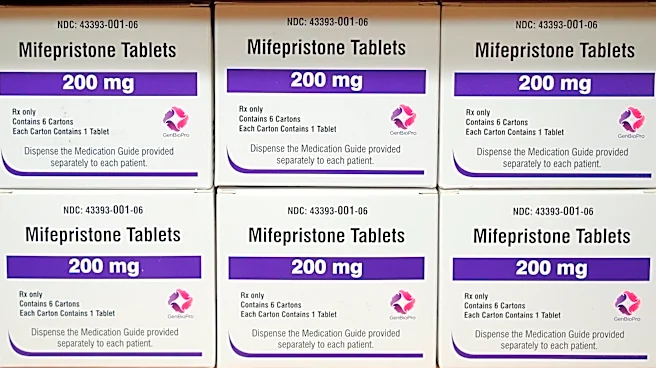
The Supreme Court has decided to keep the abortion pill mifepristone available via telehealth, maintaining the status quo as a legal challenge from Louisiana against the FDA proceeds. The decision blocks a lower court ruling that would have banned mailing
the pill nationwide. Justices Samuel Alito and Clarence Thomas dissented, criticizing the decision as undermining state authority over abortion regulations. The ruling allows continued access to medication abortion, which has become increasingly common since the overturning of Roe v. Wade.
Why It's Important?
This decision is crucial for maintaining access to medication abortion, particularly in states with restrictive abortion laws. It underscores the ongoing legal and political battles over reproductive rights and the role of federal agencies like the FDA in regulating medication. The ruling has significant implications for women's health and autonomy, as well as the balance of power between state and federal authorities in regulating abortion.
What's Next?
The legal challenge will continue in the lower courts, with potential implications for the FDA's authority and state-level abortion regulations. The outcome may influence future Supreme Court decisions and legislative actions regarding reproductive rights. Stakeholders, including political leaders, advocacy groups, and healthcare providers, will likely continue to engage in this contentious issue, shaping the future landscape of abortion access in the U.S.