

What's Happening?
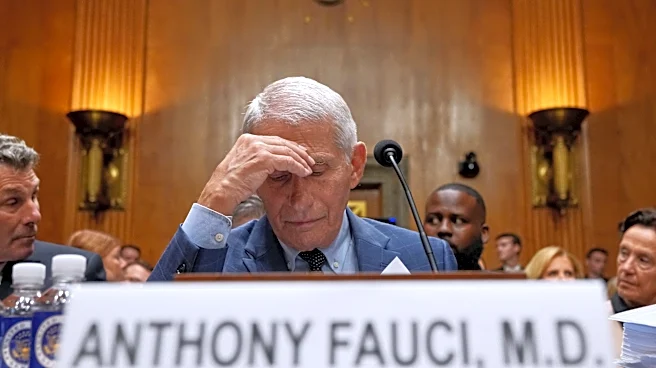
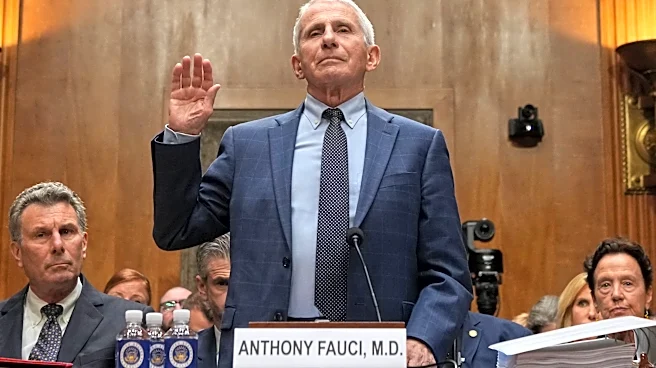
A Republican-led Senate committee is preparing to vote on holding Dr. Anthony Fauci in contempt of Congress after he invoked the Fifth Amendment during a hearing on COVID-19 policies. The committee, chaired by Sen. Rand Paul, accuses Fauci of obstructing
the investigation into pandemic policies. Fauci, who was pardoned by President Biden, invoked his Fifth Amendment rights over 100 times, citing concerns about potential legal repercussions. The situation highlights the ongoing political tensions surrounding COVID-19 and public health leadership.
Why It's Important?
The move to hold Dr. Fauci in contempt underscores the deep political divisions over the handling of the COVID-19 pandemic. Fauci, once a respected figure across party lines, has become a focal point in the political battles over public health policy. The contempt vote raises questions about the balance between congressional oversight and the protection of individual rights, particularly in the context of pardons and legal protections. The outcome of this situation could have broader implications for how public health officials are held accountable and the role of political influence in public health decisions.
What's Next?
If the committee votes to hold Fauci in contempt, the matter will be referred to the Justice Department, which will decide whether to pursue legal action. The case could set a precedent for how pardoned individuals are treated in congressional investigations and the extent of Fifth Amendment protections. The political fallout from this situation may also influence future public health policy debates and the perception of public health officials.