





What's Happening?
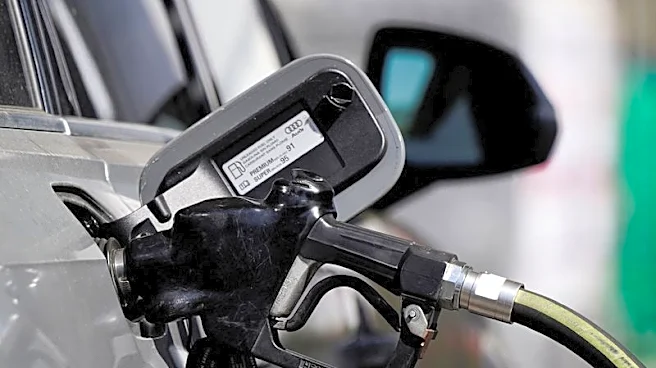
The ongoing conflict between the US-Israel coalition and Iran, which began on February 28, 2026, is significantly impacting global mining and metals markets. The primary transmission channels are through increased energy costs and logistical disruptions,
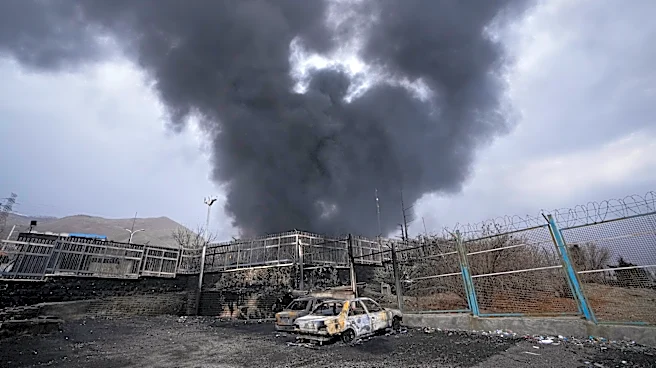
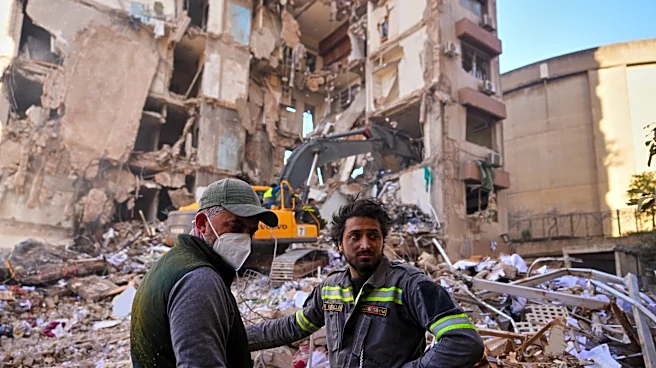
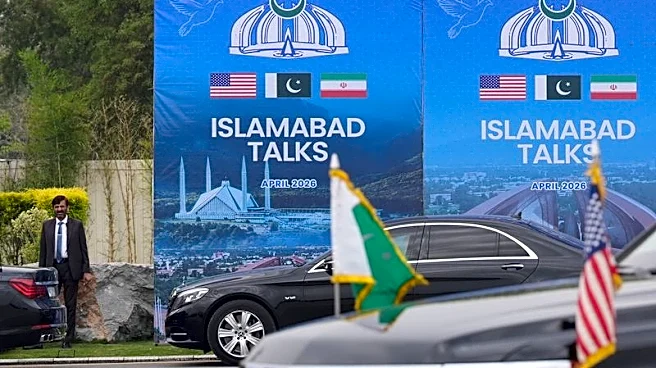
particularly affecting processing infrastructure. A ceasefire brokered by Pakistan on April 8 has temporarily reduced escalation risks but has not restored normal operations across energy and shipping systems. The Strait of Hormuz, a critical maritime chokepoint, remains a focal point of disruption, affecting oil trade and increasing insurance premiums. The mining industry faces rising costs and processing disruptions, especially in aluminium smelting, due to energy constraints and infrastructure damage.
Why It's Important?
The conflict's impact on the mining sector is profound, with increased energy costs and logistical challenges affecting processing margins. Aluminium production in the Middle East, which accounts for a significant portion of global supply, is particularly vulnerable due to electricity shortages and infrastructure damage. This disruption is causing global supply tightness and price increases. The conflict highlights the structural vulnerability of mineral supply chains, which are heavily reliant on seaborne trade and specialized processing infrastructure. The situation underscores the need for more resilient processing and logistics systems and may accelerate investment in electrification and renewable energy integration.
What's Next?
The temporary ceasefire provides some relief, but the outlook for the mining sector remains uncertain. Restart timelines for damaged smelting operations in the Gulf are expected to take six to twelve months, prolonging supply disruptions. The conflict may prompt a shift towards more sustainable energy sources and increased investment in resilient infrastructure. Stakeholders in the mining industry will need to navigate ongoing logistical challenges and rising costs, potentially leading to strategic shifts in supply chain management and energy use.
Beyond the Headlines
The conflict is reshaping industrial responses, particularly in Asia, where fuel constraints are prompting shifts in energy use, including increased reliance on coal and nuclear power. This paradoxical situation highlights the short-term dependence on conventional fuels while reinforcing the long-term case for electrification and renewable energy integration. The geopolitical tensions underscore the need for diversified supply chains and energy security, which could drive significant changes in global mining and metals markets.