



What's Happening?
The U.S. economy experienced a robust 3.4% growth in the third quarter, as reported by the U.S. Bureau of Economic Analysis. This figure, an annualized basis, surpassed expectations and the 2.5% and 2.2% growth rates recorded in the first and second quarters,
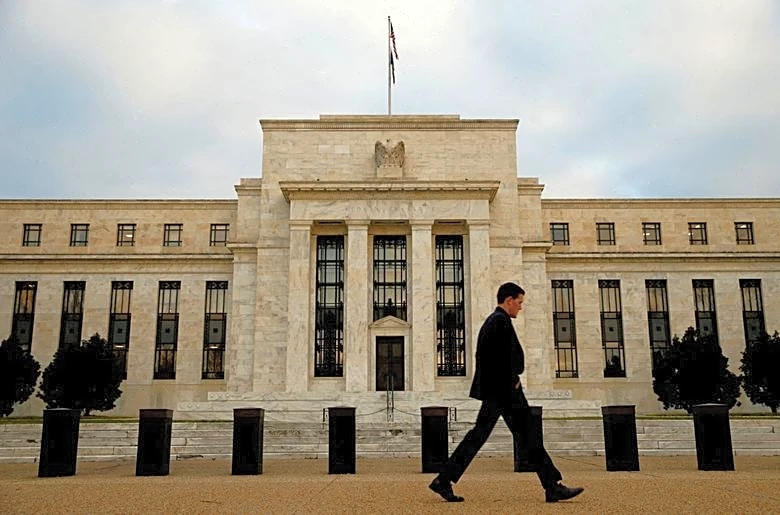
respectively. This marks the largest Gross Domestic Product (GDP) growth in a year, though it is subject to future revisions. GDP, a primary indicator of overall economic growth, has averaged around 2.5% annually over the past decade, making the 3.4% growth a desirable level. However, a separate report indicated that inflation worsened last month, with the September personal consumption expenditures (PCE) price index accelerating to 3.6% year-over-year, up from 3.4% in the previous two months. Core PCE, which excludes volatile food and energy prices, also rose to 3.1%. These inflation figures, coupled with strong economic growth, are fueling speculation about another potential interest rate hike by the Federal Reserve this year.
Why It's Important?
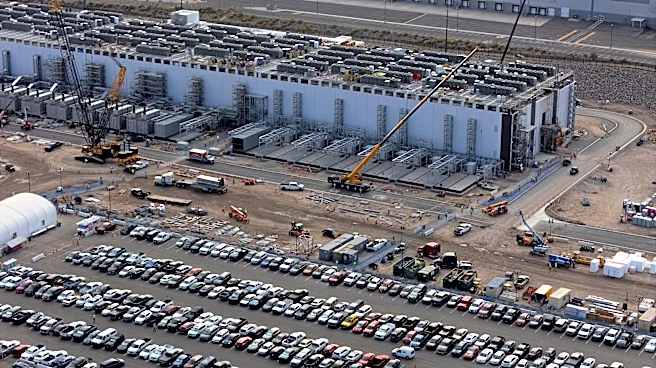
The strong GDP growth signals a resilient U.S. economy, driven significantly by business investment and sustained consumer spending. According to Stephen Kates, an economic analyst and principal at Clocktower Financial Consulting, a similar performance in the fourth quarter would establish a positive trend for the economy heading into 2027. Business investment, particularly in artificial intelligence infrastructure, is identified as a key contributor to this growth. However, the simultaneous rise in inflation presents a critical challenge for the Federal Reserve. The Fed operates under a dual mandate to maintain price stability and maximize employment. With inflation worsening, as indicated by the PCE and core PCE reports, the central bank faces increased pressure to intervene. An interest rate hike, while intended to curb inflation, could potentially impact borrowing costs for businesses and consumers, influencing future economic activity and investment decisions across various sectors.
What's Next?
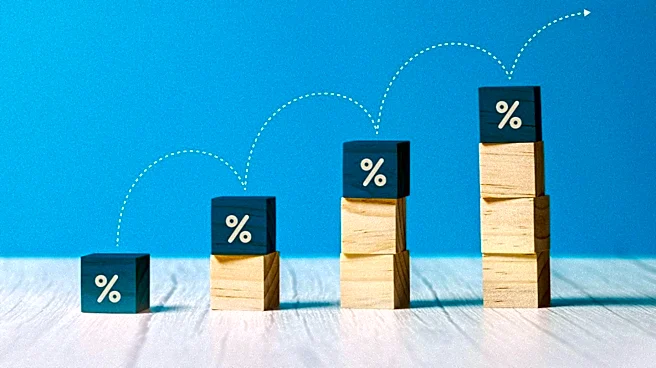
The preliminary GDP report and the worsening inflation data are likely to intensify discussions within the Federal Reserve regarding monetary policy. While the Fed kept interest rates unchanged at its most recent meeting, market expectations are leaning towards another rate hike in December. This potential action would aim to address the accelerating inflation, which has shown an upward trend across various measures, including CPI, PPI, and PCE. The Fed's decision will be closely watched by businesses, investors, and consumers, as it will influence lending rates, investment strategies, and overall economic sentiment. The labor market's current strength and the ongoing economic growth provide the Fed with room to consider restrictive measures without immediately jeopardizing employment, but the balance between controlling inflation and sustaining growth will be a key consideration.
Beyond the Headlines
The interplay between robust economic growth and persistent inflation highlights a complex economic environment. The significant role of business investment in artificial intelligence infrastructure suggests a structural shift in economic drivers, potentially leading to long-term productivity gains but also raising questions about the future of labor markets and technological disruption. The Federal Reserve's response to this scenario will not only impact short-term economic indicators but also shape the trajectory of the U.S. economy in the coming years. The challenge lies in managing inflationary pressures without stifling the positive momentum generated by business investment and consumer confidence. This situation could also prompt broader policy discussions on how to foster sustainable growth while mitigating the risks associated with rising prices and technological advancements.