



What's Happening?
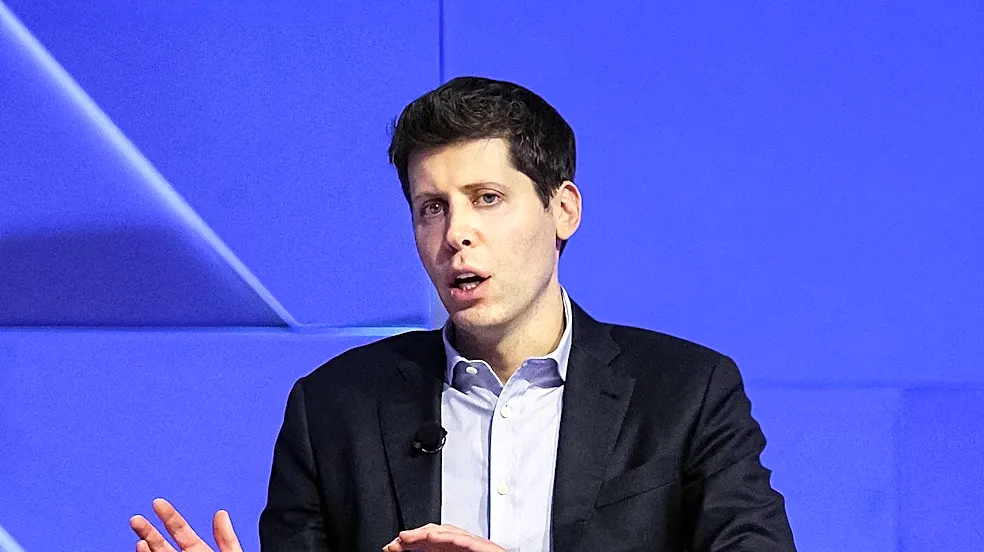
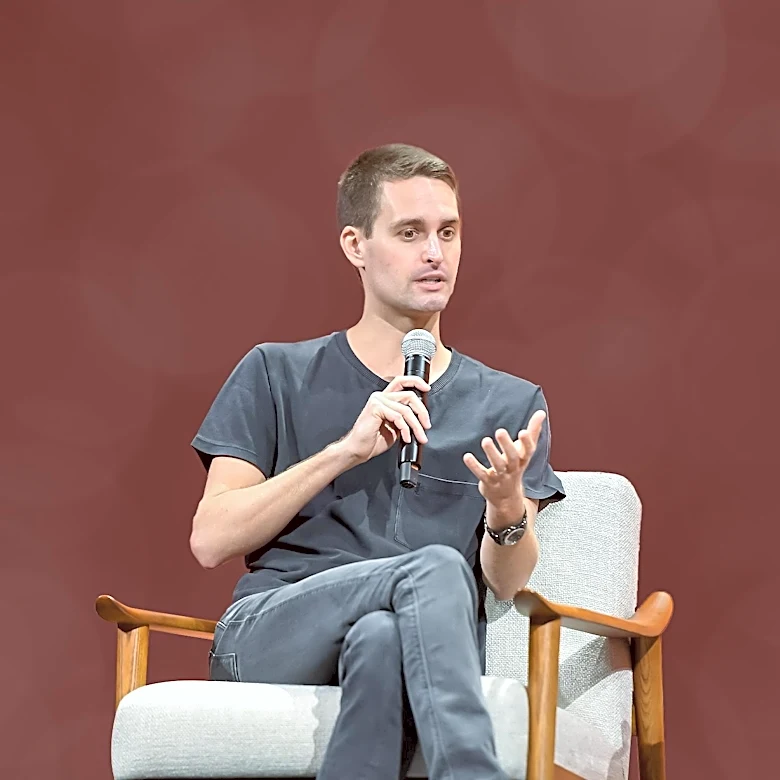
Sam Altman, CEO of OpenAI, anticipates that artificial intelligence is entering an era where it will generate genuinely new scientific knowledge, citing recent mathematical proofs as evidence. He expects this trend to extend to fields such as biology,
materials science, and energy. Altman expressed personal optimism for a candidate treatment for a major disease within the next couple of years, acknowledging that FDA processes would still require time and potential reform. He also highlighted the potential for a significant physics discovery in the near future. Addressing concerns within the mathematics community, similar to earlier anxieties among coders, Altman suggested that mathematicians would adapt to interpreting and explaining AI-generated proofs rather than solely deriving them. On the topic of AI consciousness, Altman stated his belief that current models lack consciousness or possess a very strange form of it, emphasizing that AI should be viewed as a resource for people, not a person.
Why It's Important?
Altman's vision for AI-driven scientific discovery holds significant implications for U.S. industries and public policy. The potential for AI to accelerate breakthroughs in medicine, materials science, and energy could revolutionize these sectors, leading to new products, treatments, and energy solutions. This could spur economic growth, create new job categories, and enhance national competitiveness. However, it also raises questions about intellectual property, the future of human expertise in scientific fields, and the need for regulatory frameworks to keep pace with rapid technological advancement. His comments on AI consciousness are crucial for the ongoing ethical and philosophical debates surrounding AI development, influencing public perception and potentially shaping future legislation regarding AI rights and control. The emphasis on AI as a 'resource for people' aims to guide the development of AI in a human-centric direction, mitigating fears of autonomous AI systems.
What's Next?
In the coming years, the focus will likely be on the tangible outcomes of AI's scientific capabilities, particularly in areas like drug discovery and materials innovation. The U.S. government and regulatory bodies, such as the FDA, may face increasing pressure to adapt their processes to accommodate AI-accelerated research and development. The debate around AI consciousness and its ethical implications is expected to intensify, potentially leading to new policy discussions on AI governance and the definition of personhood in an AI-integrated world. OpenAI's continued research and development will aim to demonstrate AI's capacity for novel scientific contributions, further solidifying its role in advancing human knowledge. The tech industry will also need to address the evolving roles of human experts in fields where AI becomes a primary generator of new insights.
Beyond the Headlines
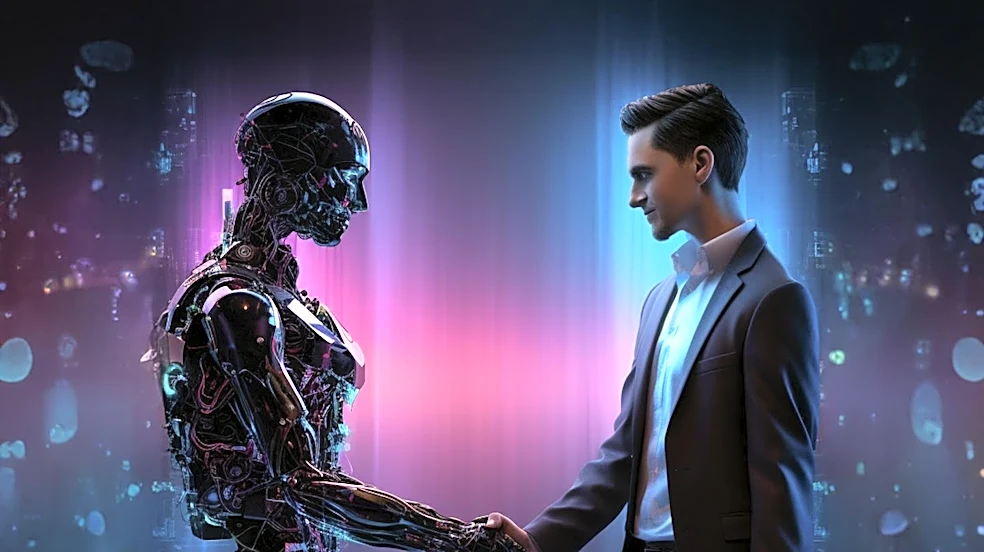
The deeper implications of Altman's statements touch upon the very nature of human creativity and discovery. If AI can generate new mathematical proofs or scientific hypotheses, it challenges traditional notions of intellectual labor and the unique contributions of human intellect. This shift could lead to a 'new renaissance,' as Altman suggests, where human creativity is redirected towards interpreting, applying, and ethically guiding AI-generated knowledge, rather than solely originating it. The discussion around AI consciousness, while currently speculative, highlights fundamental questions about sentience, intelligence, and the boundaries between human and artificial existence. This ongoing dialogue will shape not only technological development but also societal values, legal frameworks, and our understanding of what it means to be human in an increasingly AI-driven world.