







What's Happening?
Local governments in West Michigan are urging the U.S. Environmental Protection Agency (EPA) to conduct a public hearing regarding Consumers Energy's proposal to inject wastewater from its J.H. Campbell coal-burning plant into deep underground wells.
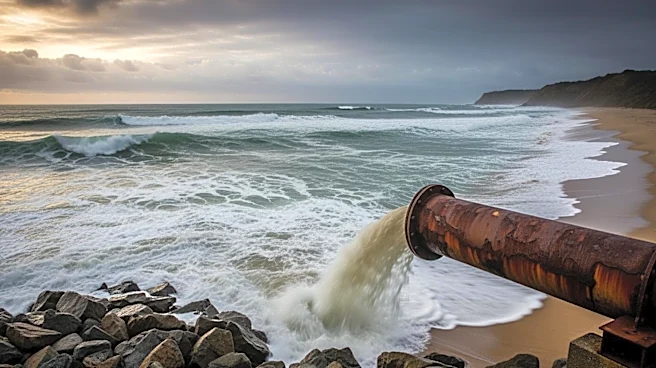
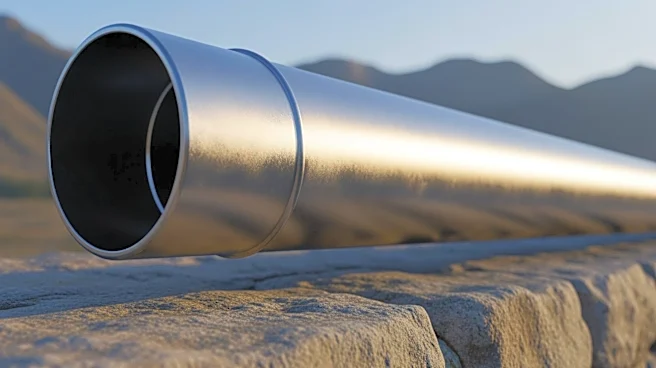
The plant, which remains operational due to a directive from the Trump administration, will require an alternative wastewater disposal method once it ceases operations. Currently, wastewater from coal ash landfills is mixed with cooling water and discharged into Lake Michigan. Consumers Energy asserts that the wastewater, referred to as leachate, is non-hazardous and can be securely stored underground, encased in steel and cement. The company highlights that this technology has been in use for nearly a century and is approved by state and federal agencies. Despite assurances, local residents and officials express concerns about potential environmental risks, prompting Ottawa County Board of Commissioners and Port Sheldon Township to request a public hearing to address these issues.
Why It's Important?
The request for a public hearing underscores the community's environmental concerns and the need for transparency in decisions affecting public health and safety. The outcome of this hearing could influence public confidence in environmental management practices and set a precedent for how similar projects are handled in the future. If approved, the deep well injection method could become a model for other utilities facing similar waste disposal challenges. However, failure to address public concerns adequately could lead to increased scrutiny and opposition to such projects, potentially affecting regulatory policies and the operations of energy companies. The decision also has implications for groundwater protection and environmental sustainability, critical issues in regions reliant on natural water resources.
What's Next?
If the EPA agrees to hold a public hearing, it will provide a platform for stakeholders, including local residents, environmental groups, and Consumers Energy, to present their views and concerns. The hearing could lead to further regulatory reviews or modifications to the proposed plan. Depending on the feedback received, Consumers Energy may need to explore alternative waste disposal methods or enhance safety measures to mitigate environmental risks. The outcome could also influence future regulatory frameworks governing waste management practices in the energy sector.