


What's Happening?
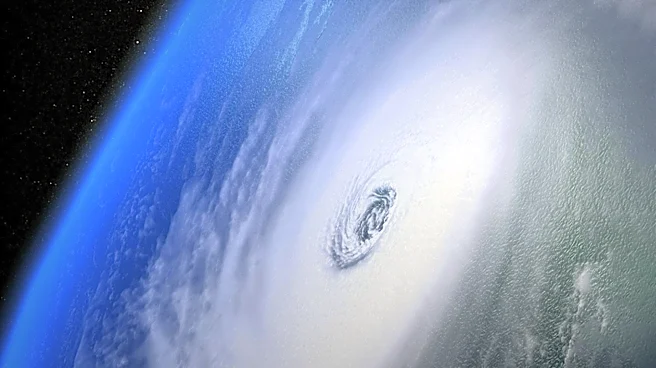
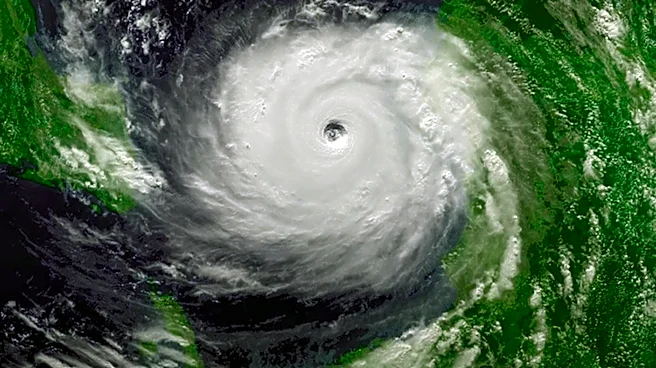
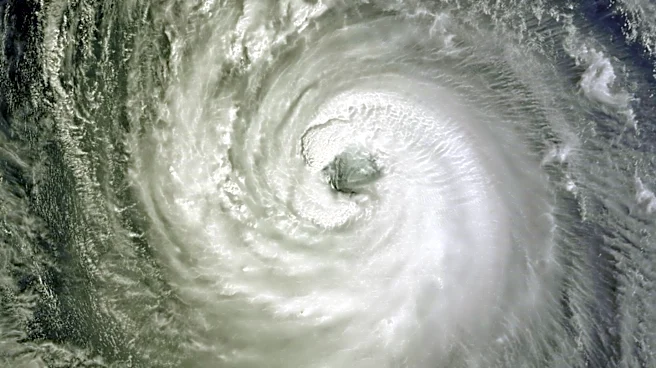
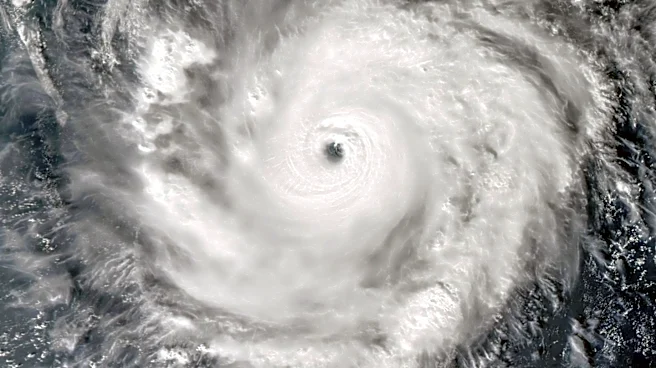
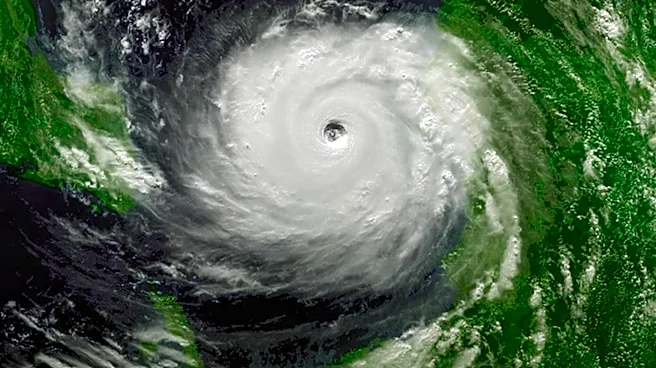
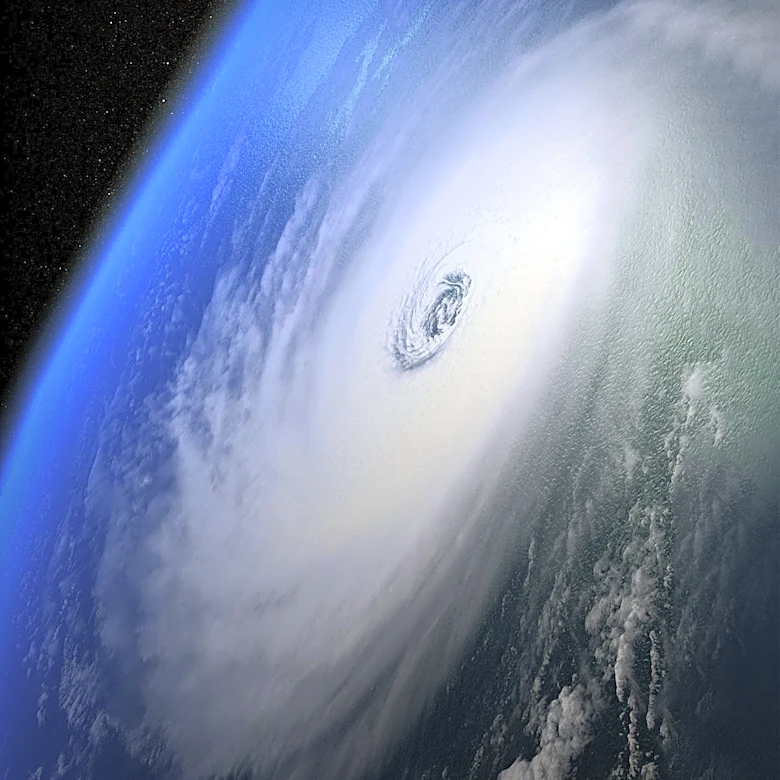
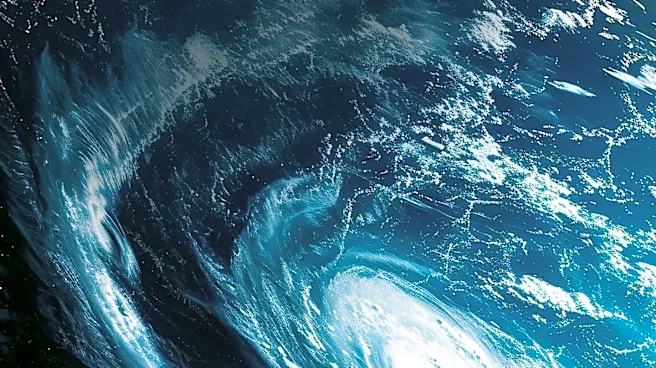
Japan is preparing for the arrival of Typhoon Chan-hom, which is expected to make landfall near the Tohoku region. This comes shortly after Typhoon Dolphin affected northern Okinawa and the Amami islands. Chan-hom is anticipated to bring gusts of up to 80
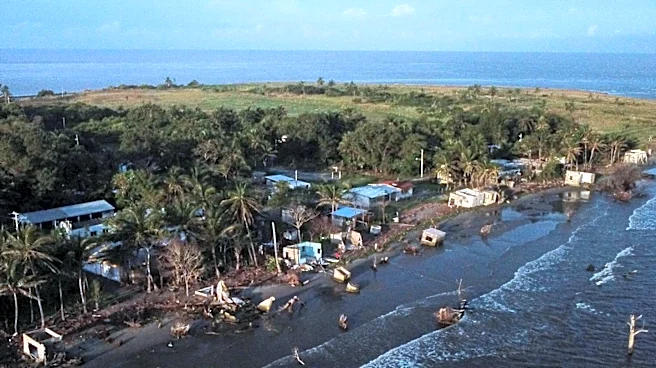
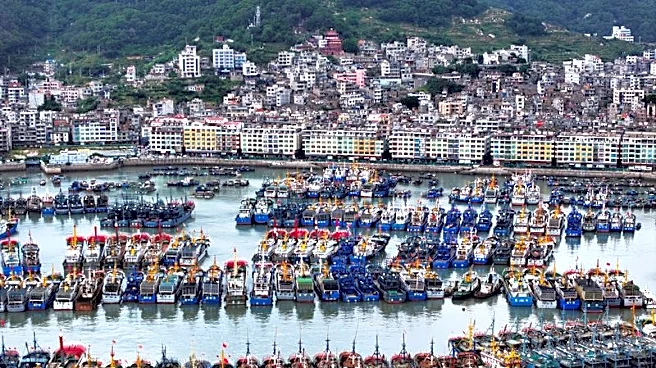
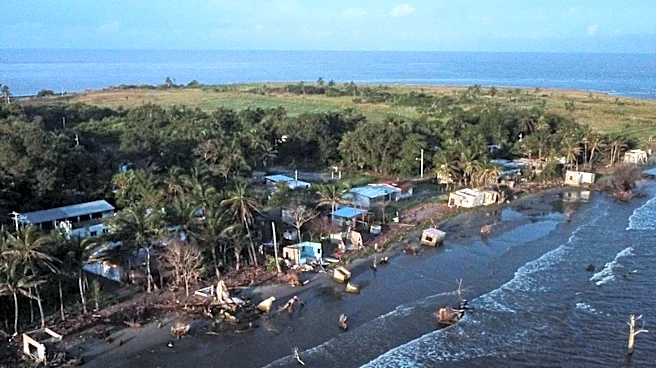
mph and significant rainfall, posing risks of flooding and damage. The Japanese government has issued warnings and is taking precautionary measures to mitigate the impact. The typhoon is part of a series of severe weather events affecting the region, including Typhoon Dolphin, which has already caused disruptions in China.
Why It's Important?
The frequent occurrence of typhoons in Japan highlights the challenges posed by extreme weather events, exacerbated by climate change. These storms can lead to significant economic losses, disrupt daily life, and pose threats to public safety. The preparedness and response strategies of the Japanese government are crucial in minimizing the impact of such natural disasters. The situation underscores the importance of robust infrastructure and effective emergency management systems in mitigating the effects of climate-related events. The international community may also observe Japan's response as a model for handling similar challenges.
What's Next?
As Typhoon Chan-hom approaches, Japanese authorities will continue to monitor its path and intensity, issuing updates and advisories to the public. Evacuation plans may be implemented in vulnerable areas, and emergency services are on standby to respond to any incidents. The government will likely assess the damage post-landfall and coordinate recovery efforts. The focus will be on restoring normalcy and addressing any infrastructure damage. The event may also prompt discussions on enhancing climate resilience and adapting to the increasing frequency of extreme weather events.