






What's Happening?
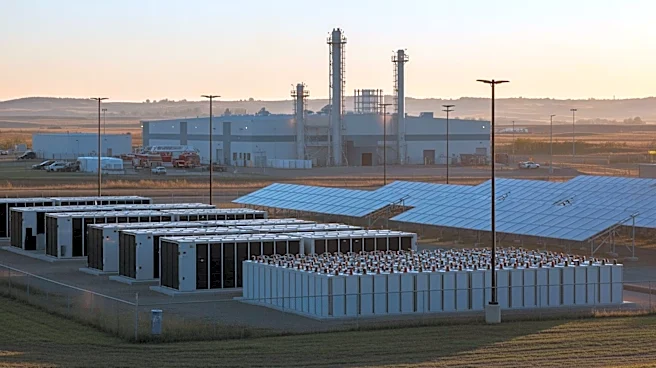
The Shawnee County Commission in Kansas has unanimously approved a new ordinance that facilitates the development of utility-scale solar projects. This decision marks a significant shift from a previous moratorium, establishing a comprehensive permitting
framework aimed at promoting cleaner and more affordable energy sources. The ordinance allows for solar installations up to 640 acres, a compromise from the initially proposed 1000 acres, and removes a prohibition on battery energy storage, opting instead for updated fire codes. The process involved significant public engagement, with local advocates and organizations such as the Sierra Club, League of Women Voters, and others pushing for amendments to the initial draft. This collaborative effort is credited with strengthening the final ordinance, which aims to balance community interests with economic growth.
Why It's Important?
The approval of this ordinance is a pivotal step for Shawnee County in embracing renewable energy, which is crucial for reducing electricity costs, creating jobs, and providing tax benefits without the adverse effects of pollution and health issues. By fostering public participation and studying regulations from neighboring areas, the county has set a precedent for how local governments can effectively manage the transition to clean energy. This move not only supports environmental sustainability but also enhances business certainty and investment potential in the region. The ordinance reflects a growing trend of local governments taking proactive steps to address energy affordability and environmental concerns, which could inspire similar actions in other regions.
What's Next?
Following the ordinance's approval, Shawnee County is expected to see increased interest from solar energy developers looking to invest in the area. The county will likely focus on implementing the new regulations and monitoring their impact on local communities and ecosystems. Stakeholders, including local businesses and residents, will be watching closely to ensure that the benefits of solar energy are realized without compromising community values. The success of this initiative could lead to further expansions in renewable energy projects and influence policy decisions in other counties and states.