




What's Happening?
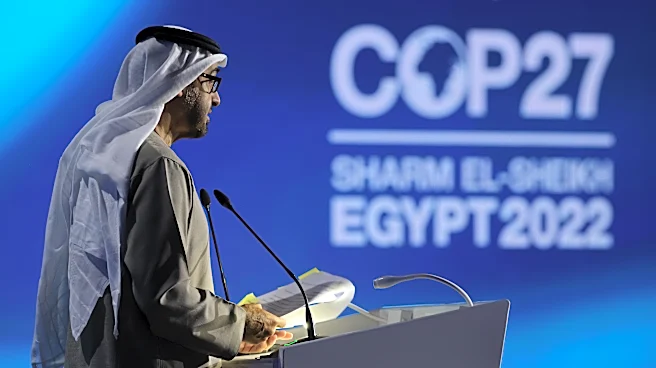
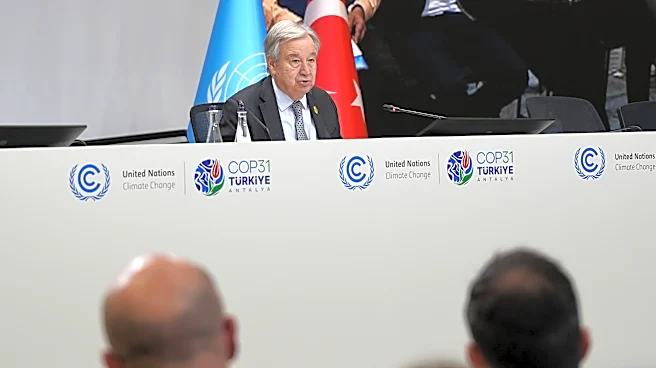
The Global Energy Storage Alliance (GESA) Initiative was officially launched at the China Pavilion during COP31 in Antalya, Türkiye. This new international initiative aims to strengthen cooperation on energy storage by bringing together leading companies,
industry associations, and institutions from China and around the world. GESA's mission is to establish energy storage as core infrastructure for new power systems and to make a significant contribution to the global energy transition. The initiative was jointly launched by the China Energy Storage Alliance (CNESA), the China Renewable Energy Engineering Institute (CREEI), and China Southern Power Grid Energy Storage Co., Ltd., with growing interest from other international organizations. GESA will focus on six priority areas: facilitating global dialogue, developing global energy storage databases and standard systems, advancing research, development, and deployment of frontier technologies, improving market mechanisms and fostering business model innovation, strengthening supply chain coordination and promoting global trade, and facilitating investment, financing, and project cooperation.
Why It's Important?
The launch of the Global Energy Storage Alliance (GESA) at COP31 is a critical step towards accelerating the global clean energy transition. Energy storage is increasingly recognized as essential for integrating renewable energy sources, enhancing grid flexibility, and ensuring energy security. GESA's focus on international cooperation, standardization, and technological advancement can help overcome significant barriers to widespread energy storage deployment, such as fragmented technical standards and challenges in project financing. For the U.S., this initiative presents an opportunity to engage in global dialogue and collaboration on energy storage, potentially leading to shared technological advancements and best practices. Participation in GESA could also help U.S. companies and research institutions influence global standards and market mechanisms, ensuring a more level playing field for American innovation. Conversely, if the U.S. does not actively engage, it risks falling behind in the development and deployment of critical energy storage technologies and losing influence in shaping the future of global energy infrastructure.
What's Next?
GESA plans to implement its mission through various actions, including leveraging flagship events for global dialogue, building comprehensive databases and standard systems, and fostering international R&D collaboration on next-generation storage innovations. The alliance will also work to refine market mechanisms to ensure energy storage can participate fairly in various markets and realize its full economic value. Furthermore, GESA aims to enhance supply chain coordination, promote open and fair international trade, and facilitate investment and financing for energy storage projects, particularly in developing nations. The initiative welcomes participation from energy storage industry associations, businesses, research institutions, and international organizations worldwide. The immediate next steps will involve formalizing partnerships, establishing working groups for its priority areas, and initiating projects to address the identified challenges in energy storage deployment. The U.S. will likely observe how GESA evolves and may consider its level of engagement based on the alliance's progress and strategic alignment with U.S. energy goals.
Beyond the Headlines
The formation of GESA at COP31 signifies a growing consensus on the indispensable role of energy storage in achieving global climate goals and sustainable development. Beyond its technical and economic objectives, GESA's emphasis on transparency, inclusivity, and technology neutrality suggests an effort to create a collaborative framework that transcends national interests. This initiative could foster a more interconnected global energy ecosystem, where knowledge, technology, and investment flow more freely, accelerating the transition away from fossil fuels. However, the success of GESA will depend on its ability to navigate complex geopolitical dynamics and ensure equitable benefits for all participating nations. The alliance's focus on supply chain coordination and global trade also highlights the increasing importance of resilient and diversified supply chains in the clean energy sector, which has significant implications for global manufacturing and economic security. The long-term impact could be a more robust and interconnected global energy grid, less susceptible to disruptions and more capable of supporting a fully renewable energy future.