







What's Happening?
New York City is actively pursuing a series of green infrastructure projects to address the challenges posed by climate change, including rising sea levels and increased rainfall. These initiatives are part of a broader effort to enhance the city's resilience
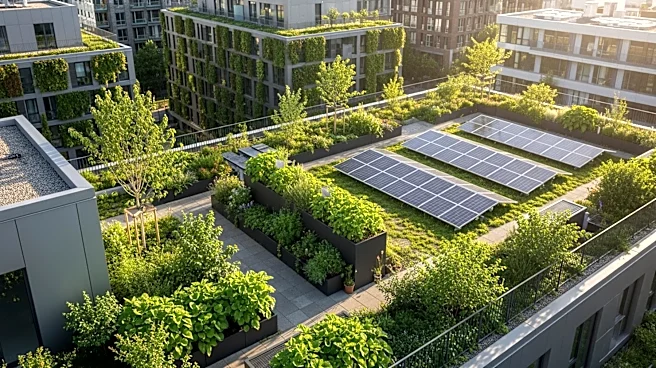
against extreme weather while expanding public green spaces. The city's Parks Department has launched the 'Vital Parks for All' initiative, a $3.2 billion commitment to upgrade park facilities and ensure equitable access to green spaces across the five boroughs. Additionally, the city is investing in projects like the Prospect Park Bluebelt, a nature-based flood prevention system, and the daylighting of Tibbetts Brook in the Bronx to restore natural water flow and reduce flooding. These efforts are complemented by the development of rain gardens and the transformation of Brooklyn's waterfront into a major offshore wind port.
Why It's Important?
These green infrastructure projects are crucial for New York City as it faces increasing threats from climate change. By investing in sustainable solutions, the city aims to mitigate the impact of extreme weather events, protect vulnerable communities, and enhance the quality of life for its residents. The initiatives not only address environmental concerns but also provide economic benefits by creating jobs and supporting local industries. The focus on equitable access to green spaces ensures that underserved communities receive the resources they need to thrive. Furthermore, the development of the offshore wind port positions New York City as a leader in renewable energy, contributing to the reduction of carbon emissions and the transition to a clean energy future.
What's Next?
The city plans to continue expanding its green infrastructure projects, with construction on several initiatives set to begin in the coming years. The Prospect Park Bluebelt is scheduled to start in 2029, while the daylighting of Tibbetts Brook is expected to break ground this year. These projects will be closely monitored to assess their effectiveness in reducing flooding and improving ecological resilience. Additionally, the city will continue to engage with local communities to ensure that the benefits of these projects are widely distributed and that residents are informed and involved in the process.
Beyond the Headlines
The implementation of these green infrastructure projects highlights the importance of integrating natural systems into urban planning. By prioritizing sustainability and resilience, New York City is setting a precedent for other cities facing similar challenges. The projects also underscore the need for collaboration between government agencies, environmental organizations, and local communities to achieve long-term success. As these initiatives progress, they may serve as models for other urban areas looking to address the impacts of climate change and promote sustainable development.