
What's Happening?
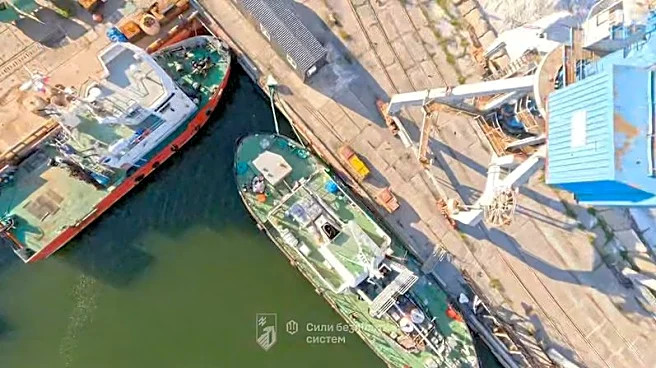
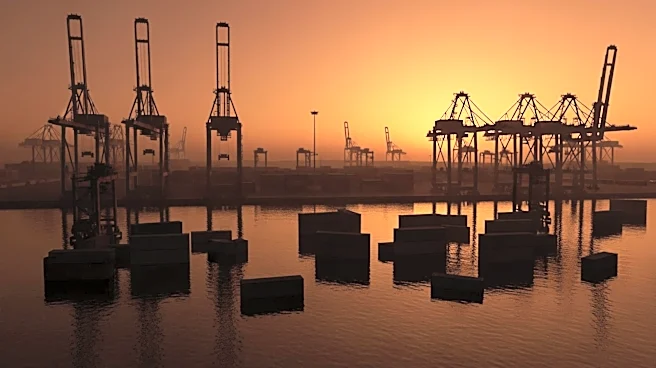
Ukrainian forces have successfully disabled the Russian-occupied port of Mariupol, a critical logistics hub in southern Ukraine. The operation, conducted by the National Guard's 1st Azov Corps, targeted
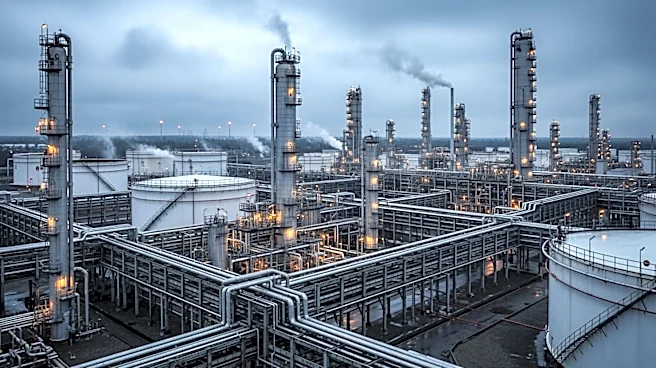
key infrastructure including electrical substations, radar equipment, repair facilities, a control tower, and fuel storage tanks. The attack also involved the sanctioned cargo vessel Lady Augusta, linked to Russia's shadow fleet. As a result, the port has been left without power, significantly disrupting Russian military logistics. This operation was carried out in collaboration with the Security Service of Ukraine's regional directorate in Donetsk and Luhansk oblasts, the SBU's Alpha special operations unit, and Ukraine's Unmanned Systems Forces. Mariupol has been under Russian control since May 2022 and serves as a vital link between occupied Donetsk Oblast, Crimea, and Russia, facilitating the transport of military cargo and supporting Russian operations along the southern front.
Why It's Important?
The disabling of the Mariupol port represents a significant strategic blow to Russian military operations in southern Ukraine. By disrupting a key logistics hub, Ukrainian forces have potentially hindered Russia's ability to supply and reinforce its troops in the region. This action is part of a broader Ukrainian strategy to target Russian supply lines and military infrastructure, aiming to weaken Russia's operational capabilities. The operation underscores Ukraine's increasing use of advanced reconnaissance and strike drones to conduct precise attacks on critical infrastructure. The impact of this disruption could extend beyond immediate military logistics, potentially affecting Russia's broader strategic objectives in the region and altering the dynamics of the ongoing conflict.
What's Next?
Following the successful operation against the Mariupol port, Ukrainian forces are likely to continue targeting Russian logistics and military infrastructure in occupied territories. This could lead to further disruptions in Russian supply lines and potentially force Russia to adjust its military strategies in response. The ongoing conflict may see an escalation in retaliatory actions from Russia, as it seeks to re-establish its logistical capabilities. Additionally, the international community may respond with increased diplomatic and military support for Ukraine, as it continues to resist Russian occupation and aggression.