


What's Happening?
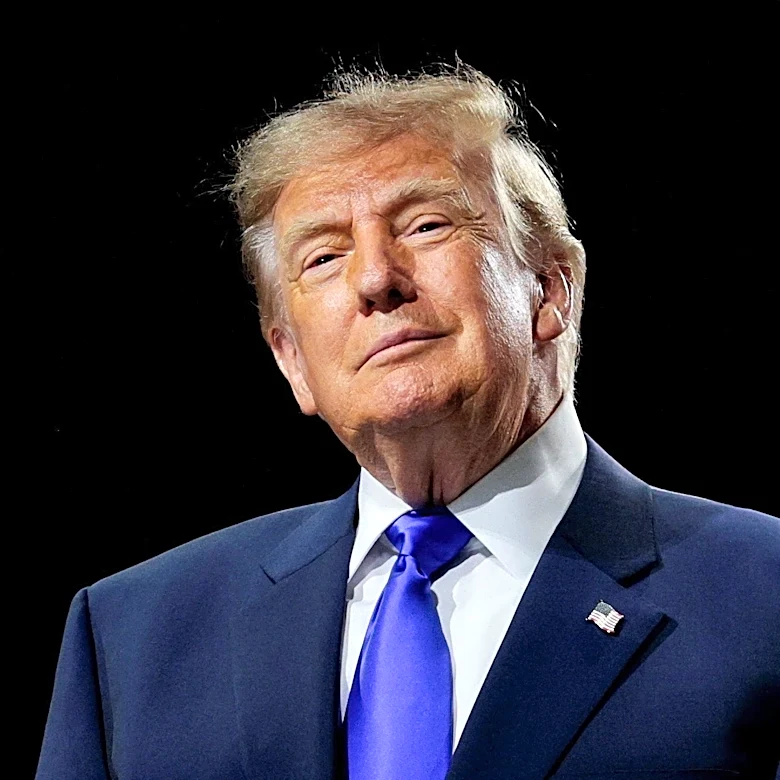
President Trump publicly mocked Ken Paxton, the Republican U.S. Senate candidate for Texas Attorney General, at the Republican midterm convention in Dallas. Despite the teasing remarks about Paxton's appearance and demeanor, President Trump simultaneously
used the convention stage to bolster Paxton's fundraising efforts. President Trump stated, "I don’t really like the way he looks," but then affirmed Paxton as "our greatest attorney general and he deserves to go to the United States Senate." Paxton, who is in a tight race against Democratic nominee James Talarico, acknowledged his need for prayers, votes, and support. Significant financial backing has begun to materialize for Paxton, with MAGA Inc., President Trump's super PAC, pledging $10 million, America PAC contributing $250,000, and the Senate Leadership Fund committing $13.8 million. This financial support comes as Paxton faces a substantial fundraising deficit compared to Talarico.
Why It's Important?
This event highlights President Trump's unique approach to political endorsements and his continued influence within the Republican Party. His public teasing of Paxton, while simultaneously providing crucial fundraising support, demonstrates a complex dynamic where personal critique coexists with strategic political backing. The financial infusion from major Republican PACs, spurred by President Trump's involvement, is critical for Paxton, who is significantly out-fundraised by his Democratic opponent. This race is viewed as a major test of President Trump's political instincts and his ability to shape the Republican Party. A victory for Paxton would be seen as validation of President Trump's influence, especially given the initial objections from some Republican leaders regarding Paxton's candidacy. Conversely, a loss would mark the first time Texas sends a Democrat to the Senate since 1988 and could lead to President Trump being blamed for insufficient support.
What's Next?
With significant financial backing now flowing to Ken Paxton's campaign, the race for the U.S. Senate in Texas is expected to intensify. The funds from MAGA Inc., America PAC, and the Senate Leadership Fund will likely be used for increased advertising and campaign operations in the two months leading up to the election. Paxton will aim to leverage President Trump's endorsement and the financial support to close the gap with his Democratic opponent, James Talarico. The outcome of this election will be closely watched as a barometer of President Trump's enduring influence on Republican voters and the party's ability to secure key Senate seats. The race will also test whether substantial financial backing can overcome a candidate's perceived weaknesses or past controversies, particularly in a state traditionally leaning Republican.
Beyond the Headlines
President Trump's interaction with Ken Paxton at the convention reveals a deeper aspect of political loyalty and power dynamics within the contemporary Republican Party. The public mockery, rather than undermining Paxton, appears to be a form of performative dominance that reinforces President Trump's position as a kingmaker, where even criticism from him can be tolerated or even embraced for the sake of his endorsement and the resources it unlocks. This dynamic suggests that for some Republican candidates, aligning with President Trump, even under critical terms, is a necessary price for political viability and financial support. It also underscores the evolving nature of political discourse, where traditional decorum can be set aside in favor of a more direct and often unconventional style of leadership. The long-term implications could include a continued normalization of such interactions in political campaigns, further solidifying President Trump's unique role in shaping Republican electoral strategies and candidate selection.