


What's Happening?
The United Nations has issued a warning about the intensification of a strong El Niño event expected to begin in August. This climatic phenomenon, characterized by the warming of surface waters in the central and eastern Pacific Ocean, is predicted to lead
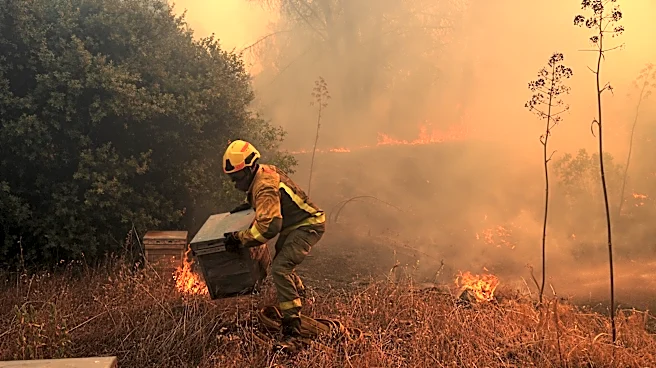
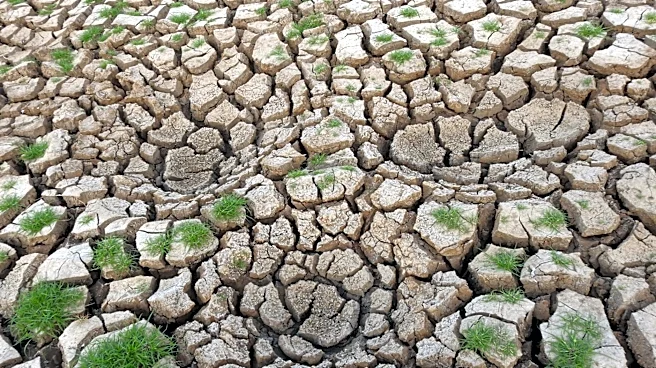
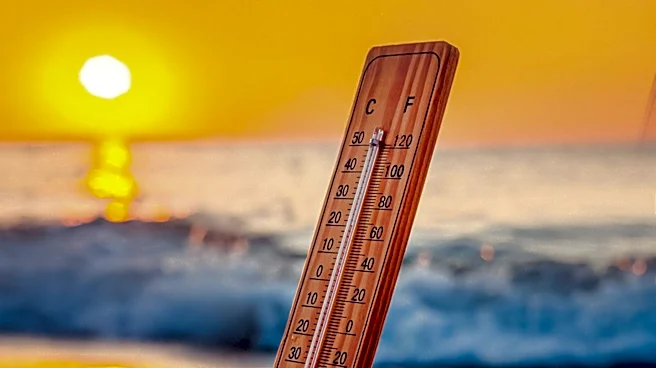
to above-normal global temperatures and significant changes in precipitation patterns. The World Meteorological Organization is enhancing its efforts to provide information and support services to help countries anticipate and mitigate the effects of El Niño. The event is expected to exacerbate existing climate crises, including droughts, floods, and increased wildfire risks, particularly in the Indian Ocean basin.
Why It's Important?
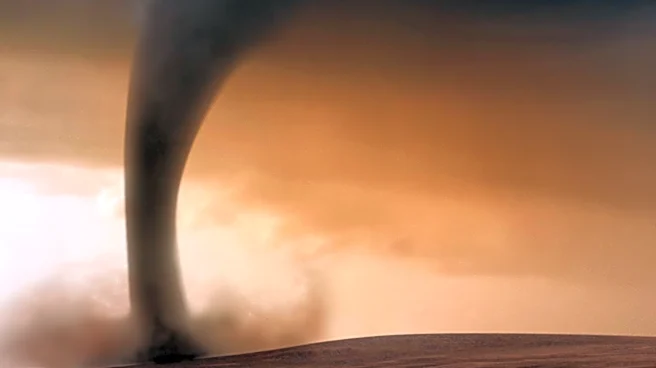
The intensification of El Niño has significant implications for global climate patterns, potentially leading to severe weather events and impacting agricultural productivity. In the U.S., the Western regions could face heightened wildfire risks, while the East Coast might experience increased flooding. These changes could disrupt local economies, strain emergency services, and affect food security. The agricultural sectors in South America and parts of Africa are also at risk of severe droughts and crop failures, which could lead to food shortages and economic instability. The situation underscores the urgent need for global cooperation in climate monitoring and disaster preparedness.
What's Next?
Countries are expected to ramp up their climate adaptation and mitigation strategies in response to the UN's warning. Governments may increase investments in infrastructure to withstand extreme weather events and enhance early warning systems. International collaboration will be crucial in sharing data and resources to manage the anticipated impacts effectively. The World Meteorological Organization will continue to provide updates and support to help nations prepare for the potential consequences of this strong El Niño event.