



What's Happening?
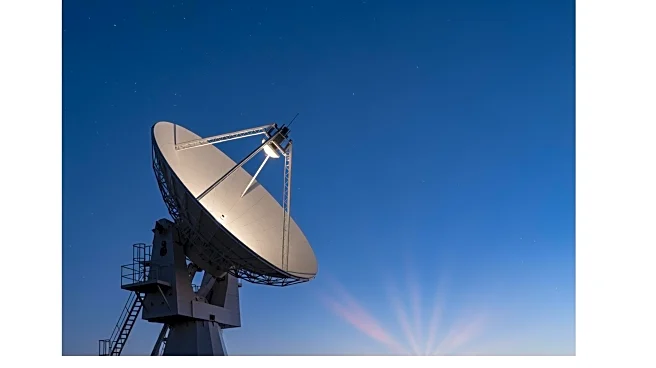
A recent workshop held at the Ghana Radio Astronomy Observatory (GRAO) in Kutunse marked a significant step in training the next generation of Ghanaian radio astronomers. The event, which took place from August 18 to 22, 2025, focused on the installation
and commissioning of the TART array, a modern radio astronomy instrument. This workshop brought together 19 participants, including postgraduate students, early-career scientists, technicians, and engineering trainees from various Ghanaian institutions. They were joined by international experts from South Africa and New Zealand. The initiative is part of a broader effort to enhance technical expertise and infrastructure in radio astronomy across Africa, driven by the Square Kilometre Array (SKA) project, with Ghana being a key partner nation.
Why It's Important?
The development of radio astronomy in Ghana is crucial for the continent's scientific advancement and technological growth. By building local expertise and infrastructure, Ghana is positioning itself as a leader in the field within Africa. This initiative not only enhances the country's scientific capabilities but also fosters international collaboration, bringing together experts from different countries to share knowledge and skills. The training provided through such workshops is essential for developing a skilled workforce that can contribute to global scientific research and innovation. Additionally, it supports the broader goals of the SKA project, which aims to advance our understanding of the universe through cutting-edge radio astronomy.
What's Next?
As the training initiatives continue, Ghana is expected to play a more prominent role in the global radio astronomy community. Future workshops and collaborations are likely to focus on further developing the skills of local scientists and technicians, ensuring they can effectively operate and maintain advanced astronomical equipment. The success of these programs could lead to increased investment in scientific research and education in Ghana, potentially attracting more international partnerships and funding. The ongoing development of the African Very Long Baseline Interferometry Network will also provide additional opportunities for collaboration and growth in the field.
Beyond the Headlines
The expansion of radio astronomy in Ghana has broader implications for the country's educational and economic landscape. By investing in scientific research and training, Ghana is not only enhancing its academic institutions but also creating new opportunities for economic development. The skills and knowledge gained through these initiatives can be applied to other sectors, such as telecommunications and data analysis, contributing to the country's overall technological advancement. Furthermore, the emphasis on international collaboration fosters a culture of innovation and openness, which can have positive effects on other areas of society.