
What's Happening?
Gold prices fell slightly on April 6, 2026, as investors monitored the escalating U.S.-Iran tensions. The decline comes ahead of a critical deadline for reopening the Strait of Hormuz, a strategic waterway.
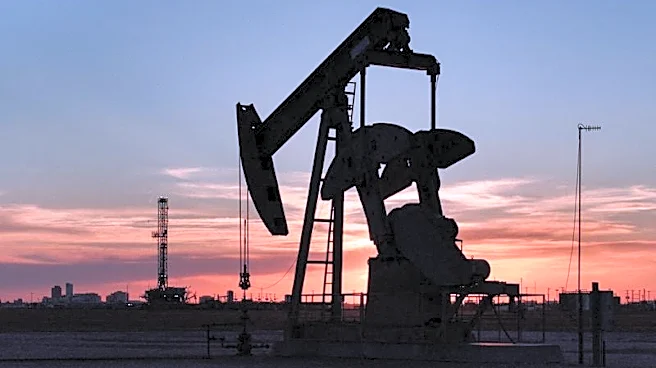
Spot gold decreased by 0.4% to $4,654.99 per ounce, while U.S. gold futures rose slightly. The conflict between the U.S. and Iran, ongoing for five weeks, has led to increased geopolitical risks. President Trump has issued a stern warning to Iran, threatening severe consequences if a deal is not reached by the deadline. The situation has also influenced oil prices, which have risen sharply since the conflict began.
Why It's Important?
The U.S.-Iran conflict and the potential closure of the Strait of Hormuz have significant implications for global markets. The strait is a crucial passage for oil shipments, and its closure could lead to higher oil prices, impacting inflation and economic stability. Gold, typically a safe haven during geopolitical tensions, is affected by interest rate expectations. Rising oil prices could limit the Federal Reserve's ability to ease monetary policy, making gold less attractive. The situation underscores the interconnectedness of geopolitical events and financial markets, with potential repercussions for global economic conditions.
What's Next?
Investors are closely watching the U.S.-Iran negotiations and the Federal Reserve's upcoming policy decisions. The outcome of the Strait of Hormuz deadline will likely influence market dynamics, particularly in the energy and precious metals sectors. The Federal Reserve's policy meeting minutes and upcoming economic data releases will provide further insights into interest rate trajectories. The ongoing conflict may prompt central banks to reassess their strategies, potentially affecting global financial stability. Market participants will continue to monitor developments, with the potential for further volatility in commodity and currency markets.