






What's Happening?
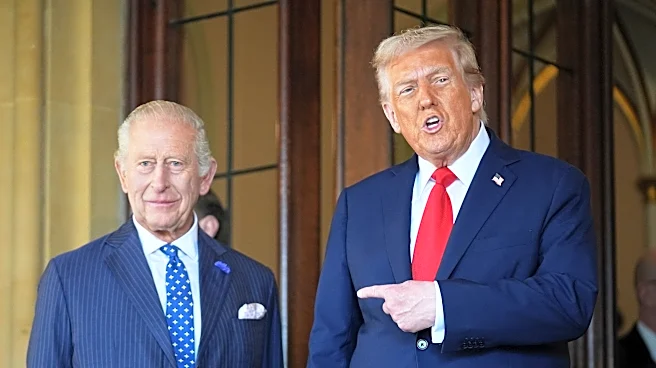
King Charles III delivered a speech to a joint session of Congress during his state visit to the United States, emphasizing the strong historical ties between the UK and the US. However, the speech drew criticism from Democratic Representative Ro Khanna
for not addressing the survivors of Jeffrey Epstein's crimes. Khanna expressed disappointment, noting that the British ambassador had suggested the issue would be mentioned. The omission was seen as a missed opportunity for the King to acknowledge the ongoing investigations involving his brother, Andrew Mountbatten-Windsor, who has denied any wrongdoing related to Epstein. The King's speech did include a general statement about supporting victims of societal ills, but it was not specific to the Epstein case.
Why It's Important?
The criticism highlights ongoing tensions regarding the British monarchy's handling of the Epstein scandal, particularly as it relates to Prince Andrew. The lack of direct acknowledgment in King Charles's speech could affect public perception of the monarchy's accountability and transparency. This issue is significant in the context of US-UK relations, as it touches on broader themes of justice and the responsibility of public figures. The King's visit, intended to strengthen diplomatic ties, may be overshadowed by these criticisms, potentially impacting the effectiveness of the visit in reinforcing the alliance between the two nations.
What's Next?
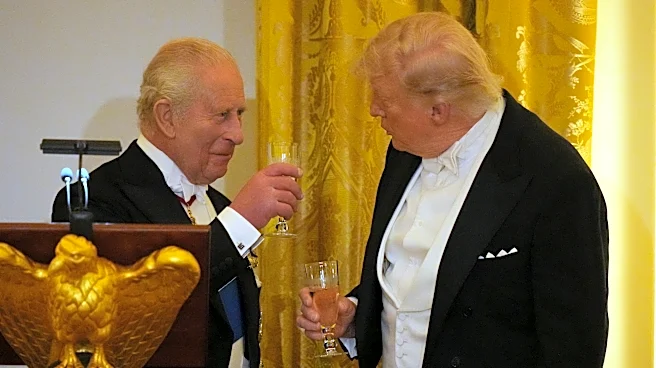
The King's visit continues with a state dinner hosted by President Trump, where further diplomatic discussions are expected. The ongoing scrutiny of Prince Andrew's connections to Epstein may continue to be a point of contention, potentially influencing future interactions between US and UK officials. The British monarchy may face increased pressure to address these issues more directly, both domestically and internationally, to maintain its reputation and diplomatic relations.
Beyond the Headlines
The situation underscores the challenges faced by the British monarchy in navigating modern expectations of accountability and transparency. The criticism from US lawmakers reflects a broader demand for public figures to address past associations with controversial figures like Epstein. This incident may prompt the monarchy to reassess its communication strategies and engagement with international audiences, particularly in light of evolving societal norms around justice and accountability.