





What's Happening?
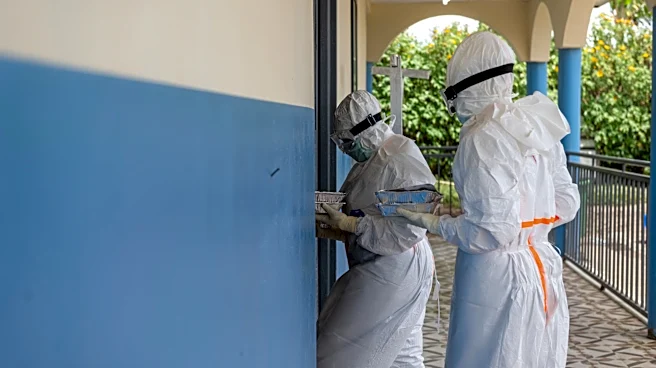
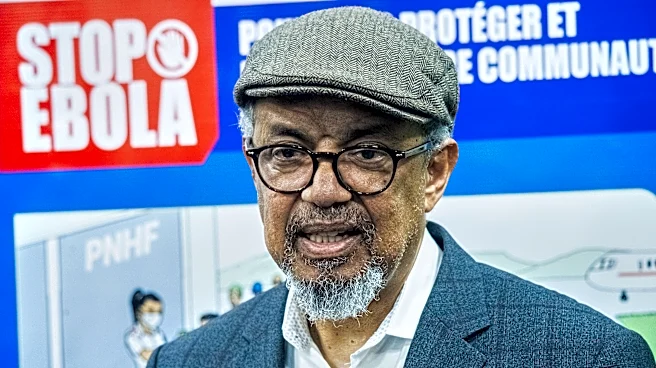
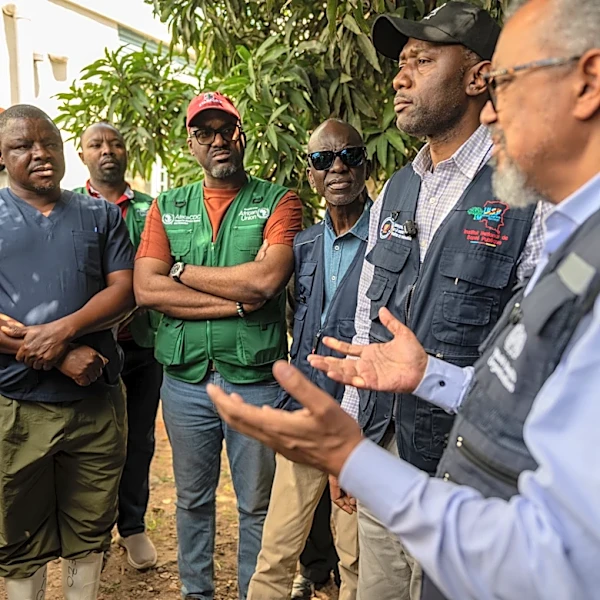
The World Health Organization (WHO) Director-General, Tedros Adhanom Ghebreyesus, announced the recovery of five patients from a rare type of Ebola during his visit to Bunia, a city in eastern Congo. This announcement coincided with the opening of a new
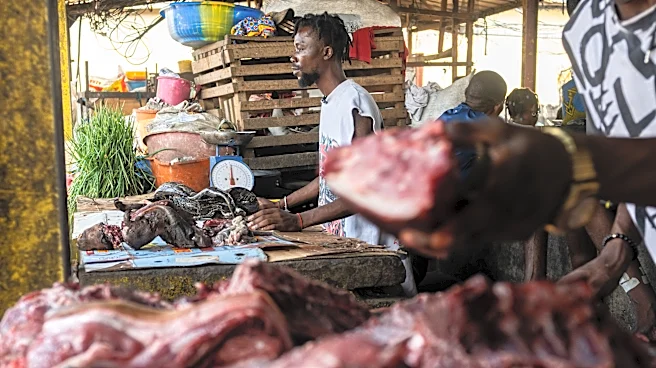
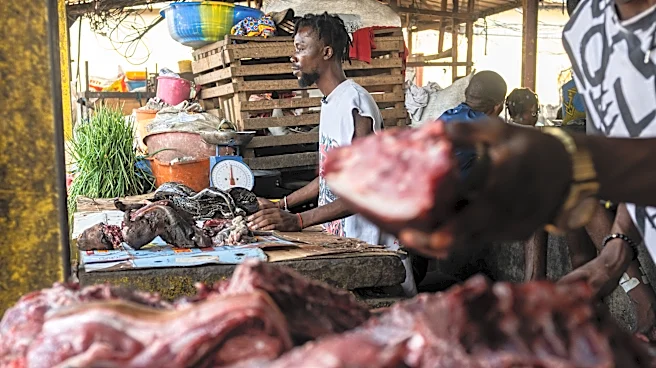
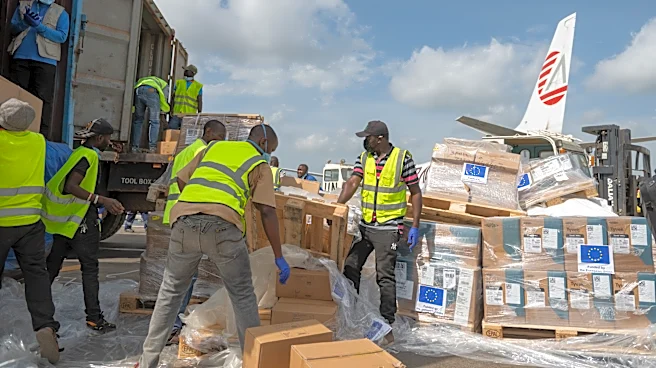
Ebola treatment center in the region. The Bundibugyo virus, the current strain of Ebola, has no approved treatment or vaccine, making these recoveries significant. The WHO reported 906 suspected cases and 223 suspected deaths, with neighboring Uganda confirming nine cases and one death. Despite improved health facilities and new aid, the virus is spreading faster than the response efforts. Doctors Without Borders has called for expanded testing and faster aid deployment. The response is further complicated by local resistance to medical protocols and attacks on health centers.
Why It's Important?
The recovery of patients from the Bundibugyo virus is a critical development in the fight against Ebola, highlighting the potential for recovery even without approved treatments. This progress is vital for public health efforts in the region, where the virus continues to spread rapidly. The situation underscores the need for international support and coordination to manage outbreaks effectively. The involvement of local communities is crucial, as resistance to medical protocols can hinder response efforts. The ongoing conflict in the region, including attacks by rebel groups, further complicates the situation, emphasizing the need for a comprehensive approach that includes security measures alongside health interventions.
What's Next?
The WHO and other health organizations are likely to continue efforts to expand testing and improve the deployment of medical aid in the affected regions. Engaging local communities to overcome resistance to medical protocols will be a priority to ensure effective outbreak management. The international community may increase support to address both the health crisis and the security challenges posed by ongoing conflicts. Monitoring the situation in neighboring countries, such as Uganda, will be essential to prevent further spread of the virus.
Beyond the Headlines
The Ebola outbreak in Congo highlights broader issues of global health security and the challenges of managing infectious diseases in conflict zones. The situation underscores the importance of strengthening health systems and infrastructure in vulnerable regions. It also raises ethical questions about balancing public health measures with respect for local customs and traditions. The international response to this outbreak could influence future strategies for managing similar health crises, emphasizing the need for collaboration and innovation in global health governance.