

What's Happening?
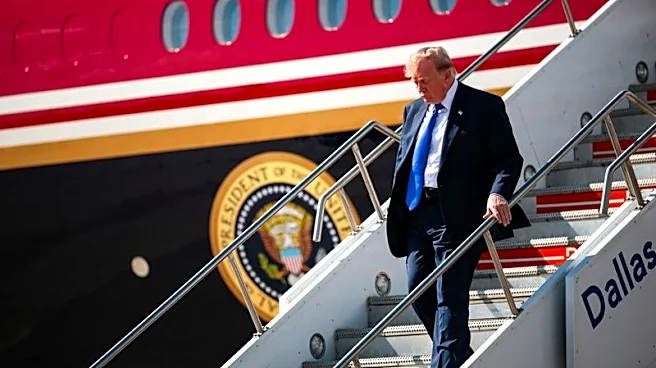
House Democrats, including Representatives Robert Garcia (D-Calif.), Jason Crow (D-Colo.), Madeleine Dean (D-Pa.), and Sydney Kamlager-Dove (D-Calif.), are traveling to Dallas to conduct counter-programming during the Republican midterm convention. This
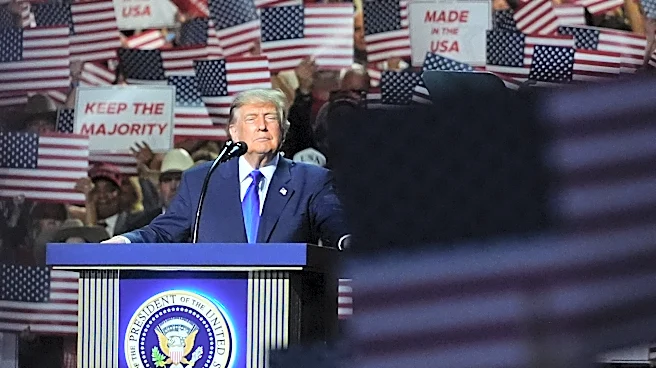
event, heavily focused on President Trump, is designed to rally Republican voters ahead of the critical midterm elections. House Minority Leader Hakeem Jeffries (D-N.Y.) stated that Democrats will be present to hold Republicans accountable for their record, which he claims includes raising costs for working families, cutting Medicaid to fund tax breaks for wealthy donors, and supporting a war in Iran. The Democratic effort aims to highlight policy differences and challenge the Republican narrative presented at the convention. The Republican convention itself will feature President Trump speaking on both Wednesday and Thursday nights, alongside Vice President JD Vance and cabinet members like Treasury Secretary Scott Bessent and Health and Human Services Secretary Robert F. Kennedy Jr. The convention will also showcase various Republican leaders, elected officials, and candidates.
Why It's Important?
This Democratic counter-programming effort is significant as it directly challenges the Republican Party's messaging and attempts to shape the narrative of the midterm elections. By actively engaging in the same location as the Republican convention, Democrats aim to draw attention to their criticisms of Republican policies, particularly regarding economic issues, healthcare, and foreign policy. This strategy seeks to prevent the Republican Party from solely controlling the public discourse during a key political event. The focus on accountability for alleged cost increases, Medicaid cuts, and foreign policy decisions could influence voter perception and mobilize Democratic support. The presence of prominent Democratic figures like Rep. Kamlager-Dove underscores the party's commitment to directly confronting the Republican agenda and President Trump's influence on the midterms, potentially impacting the outcomes of closely contested races across the country.
What's Next?
The immediate next steps will involve the execution of the Democratic counter-programming events in Dallas, running concurrently with the Republican midterm convention. Both parties will likely use these events to generate media coverage and rally their respective bases. Following the convention, the focus will shift to how effectively each party's message resonates with voters as the November midterm elections draw closer. President Trump has pledged to campaign in nearly three dozen races and his affiliated political groups will launch ads featuring him and his policies, indicating a sustained effort to influence the elections. The Democratic response will likely involve continued emphasis on the issues raised during the counter-programming, such as economic impacts and healthcare, to differentiate themselves from Republicans. The success of these strategies will be measured by voter turnout and election results on November 3, which will ultimately determine the balance of power in Congress.
Beyond the Headlines
This coordinated counter-programming effort by House Democrats highlights a broader trend of intensified political polarization and direct confrontation in U.S. politics. Rather than allowing the opposing party to dominate a significant event, Democrats are actively seeking to disrupt and reframe the narrative. This approach reflects a strategic shift towards more aggressive messaging and direct engagement, moving beyond traditional campaign advertising to on-the-ground challenges. It also underscores the enduring influence of President Trump on the Republican Party, even when he is not on the ballot, as Democrats continue to frame the midterms as a referendum on his policies and leadership. The tactic of directly confronting the opposition at their own events could become a more common feature of political campaigning, signaling a more combative and less conciliatory political landscape in the lead-up to future elections.