




What's Happening?
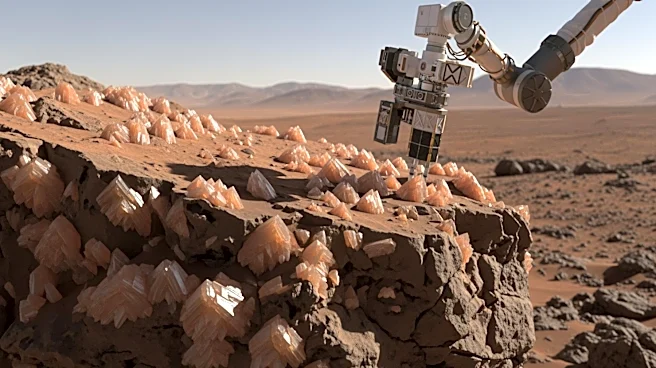
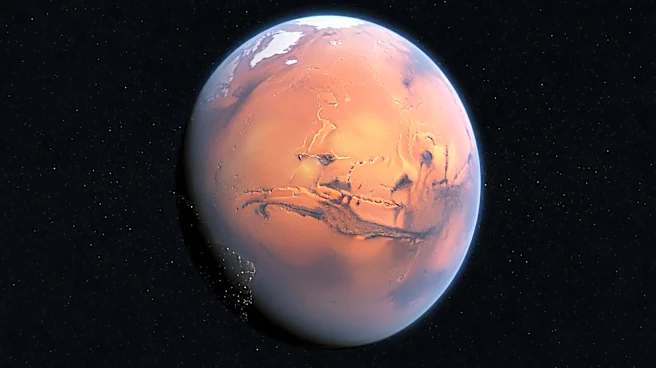
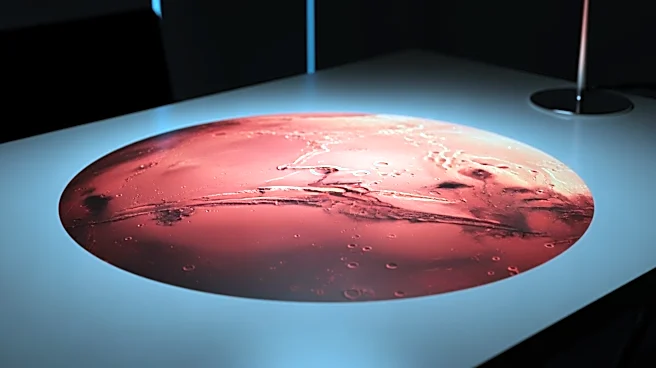
NASA has released new panoramic images of Mars captured by the Curiosity and Perseverance rovers. These images showcase two distinct landscapes on the Red Planet, located approximately 3,800 kilometers apart. The Perseverance rover's panorama highlights
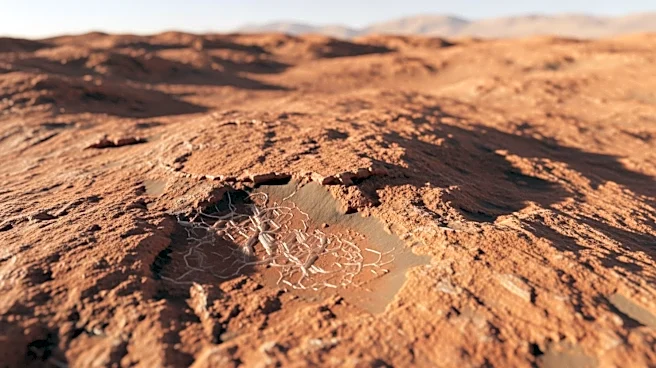
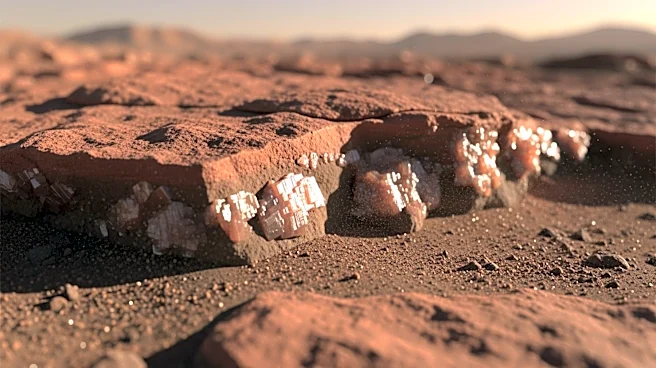
the Jezero Crater area, a site of a former lake and river delta, revealing terrain shaped by ancient water flows. Meanwhile, Curiosity's images from Gale Crater display unique geological structures formed by groundwater. These panoramas provide valuable insights into Mars' geological history and suggest that conditions suitable for life may have existed on the planet in the past.
Why It's Important?
The release of these Mars panoramas is crucial for advancing our understanding of the planet's past environment and its potential to have supported life. By analyzing the geological features and organic compounds identified by the rovers, scientists can piece together Mars' climatic history and assess its habitability. This information is vital for future missions aimed at exploring Mars and potentially establishing human presence. The findings also contribute to comparative planetology, enhancing our knowledge of planetary processes across the solar system.
Beyond the Headlines
The discovery of organic molecules, including those similar to DNA building blocks, raises intriguing questions about the possibility of past life on Mars. These findings could influence the direction of future astrobiological research and the search for life beyond Earth. Additionally, the technological advancements demonstrated by the rovers in capturing and transmitting high-resolution images from Mars highlight the progress in space exploration capabilities, paving the way for more ambitious missions.