

What's Happening?
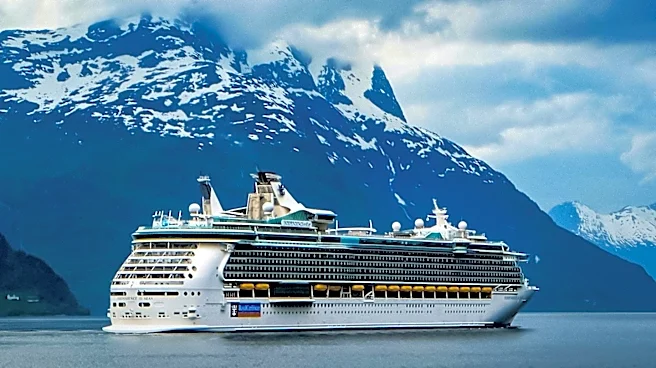
HX Expeditions, a Norwegian cruise line, is providing expedition cruises to Alaska, emphasizing wildlife experiences and access to more isolated areas. Unlike larger cruise lines that carry thousands of passengers, HX Expeditions' ships, such as the Roald
Amundsen, accommodate a smaller number of guests, up to 490. This allows for a more intimate experience and the ability to visit less-frequented Alaskan towns and natural sites. The cruises highlight the region's natural beauty, including the 'land of the midnight sun' phenomenon during summer, where daylight can last up to 24 hours. Guests engage in activities like Zodiac cruises, led by crew members with scientific backgrounds, to observe marine life such as sea lions and humpback whales. The experience also includes opportunities to witness glaciers, like the Yale Glacier in College Fjord, and learn about the impact of climate change on Alaska's marine ecosystem.
Why It's Important?
This approach to cruising offers a distinct alternative within the U.S. tourism market, particularly for those seeking immersive nature and wildlife encounters rather than traditional luxury cruise amenities. By focusing on smaller ships and expedition-style travel, HX Expeditions caters to a niche segment of travelers interested in educational and environmentally conscious tourism. This model can help distribute tourist impact more broadly across Alaska, potentially benefiting smaller, more remote communities that might otherwise be overlooked by larger cruise operations. The emphasis on scientific insights from the crew also contributes to a greater understanding of the region's ecological challenges, such as receding glaciers, which can foster environmental awareness among visitors. This type of tourism can also support local economies in these less-visited areas, providing a different economic impact compared to the high-volume tourism of larger cruise lines.
What's Next?
As interest in experiential and eco-tourism grows, other cruise lines may explore similar expedition-style offerings to cater to this evolving market demand. HX Expeditions will likely continue to refine its itineraries and educational programs, potentially expanding its research initiatives to further document and understand Alaska's marine environment. The success of this model could encourage more sustainable tourism practices within the U.S. cruise industry, prompting a shift towards smaller-scale operations that prioritize environmental stewardship and authentic local engagement. Travelers can anticipate more options for in-depth exploration of natural landscapes, moving beyond the more commercialized aspects of traditional cruising. The focus on scientific expertise among crew members could also become a more common feature in expedition travel, enhancing the educational value of such trips.
Beyond the Headlines
The rise of expedition cruising to destinations like Alaska reflects a broader cultural shift towards more meaningful and educational travel experiences. This trend challenges the conventional image of cruising as solely a leisure activity, repositioning it as a platform for environmental education and personal growth. The smaller ship size and focus on remote locations also raise questions about the long-term sustainability of accessing fragile ecosystems. While HX Expeditions emphasizes environmental awareness, the increasing popularity of such tours necessitates careful management to prevent unintended ecological impacts. This type of travel also highlights the ethical considerations of interacting with wildlife and indigenous communities, requiring operators to ensure respectful and responsible engagement. The blend of adventure, education, and environmental consciousness in these cruises could influence future travel trends, pushing the industry towards more responsible and impactful tourism models.