





What's Happening?
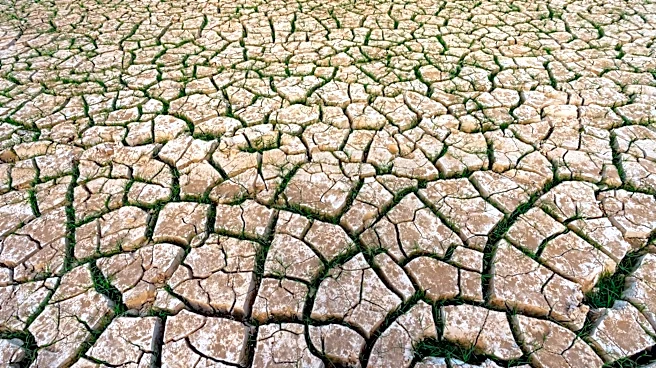
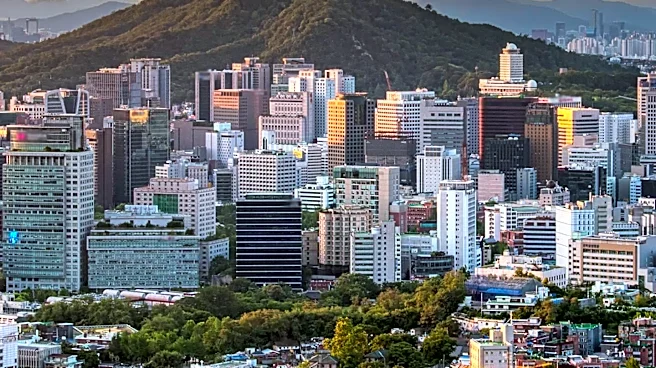
South Korea is experiencing an unprecedented heatwave, with temperatures reaching a record high of 42.5°C in Yangsan on August 2, 2026. This marks the highest temperature recorded since modern weather observations began in 1904. The Korea Meteorological
Administration has issued a severe heatwave warning, advising the public to cease all outdoor activities and seek cooler environments. The government has activated an emergency disaster response, implementing Level 2 emergency operations to ensure the safety of vulnerable populations and maintain essential services. The extreme heat has resulted in at least 13 deaths and has raised concerns about further temperature increases.
Why It's Important?
The record-breaking heatwave in South Korea highlights the growing impact of climate change and the urgent need for effective public safety measures. The extreme temperatures pose significant health risks, particularly to vulnerable populations such as the elderly and those without access to air conditioning. The government's response, including the activation of emergency measures, underscores the seriousness of the situation. This event also serves as a reminder of the broader global challenges posed by climate change, as similar heatwaves are becoming more frequent worldwide. The economic implications are also notable, with disruptions to daily life and potential impacts on industries such as agriculture and energy.
What's Next?
In response to the ongoing heatwave, South Korean authorities are likely to continue monitoring the situation closely and may implement additional measures to protect public health. The government is expected to assess the effectiveness of current emergency responses and make necessary adjustments. There may also be increased public discourse on climate change policies and the need for sustainable solutions to mitigate future heatwaves. Internationally, this event could prompt further discussions on global climate action and cooperation.
Beyond the Headlines
The severe heatwave in South Korea may have long-term implications for public health policy and urban planning. There could be increased investment in infrastructure to better withstand extreme weather conditions, such as cooling centers and improved building insulation. Additionally, this event may influence cultural attitudes towards climate change and environmental responsibility, potentially leading to greater public support for green initiatives and sustainable practices.