





What's Happening?
The U.S. Environmental Protection Agency (EPA) is proposing to transfer the authority to regulate coal ash landfills in Wisconsin from federal oversight to state environmental regulators. This proposal comes after the Wisconsin Department of Natural Resources
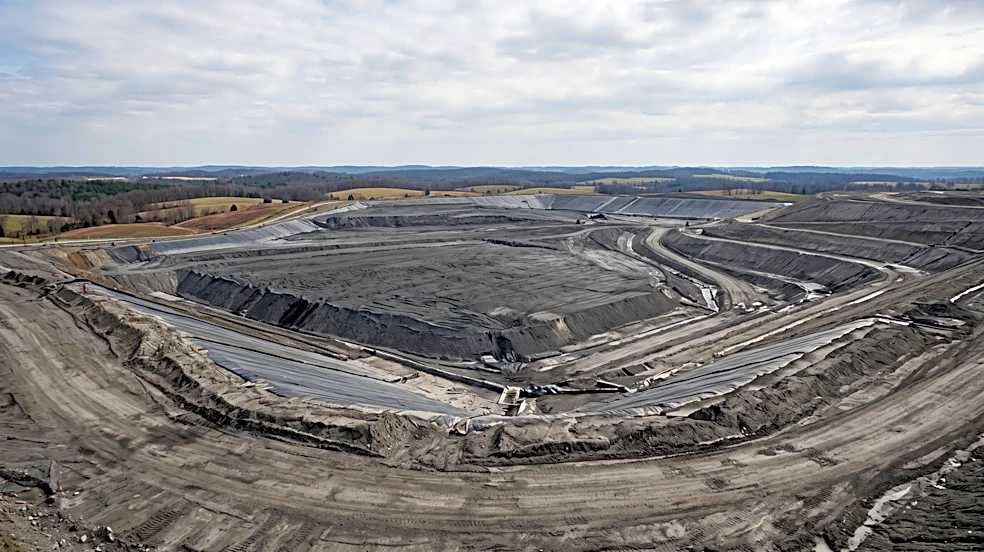
(DNR) sought approval in February for its program to oversee the disposal of coal combustion residuals, commonly known as coal ash. Wisconsin currently has six coal ash landfills, owned by Dairyland Power Cooperative, Alliant Energy, Wisconsin Public Service, and We Energies. Coal ash, a byproduct of burning coal for electricity, contains hazardous metals and pollutants like arsenic, lead, and mercury, which can contaminate groundwater if not properly stored. Anne Vogel, EPA’s regional administrator for its Chicago-based office, stated that the agency aims to eliminate duplicate regulation, making the management of these landfills more efficient and cost-effective while maintaining protective measures. The state's regulations must be at least as stringent as federal requirements, with the potential to be even more protective.
Why It's Important?
This proposed shift in regulatory authority carries significant implications for environmental protection, state-federal relations, and the energy industry in Wisconsin. For utilities, it promises a streamlined regulatory process, as they would deal with a single state entity rather than navigating both federal and state requirements. This could lead to reduced administrative burdens and potentially lower compliance costs. However, environmental groups like Milwaukee Riverkeeper express concerns, advocating for dual oversight to ensure robust protection against groundwater contamination. Past instances of contamination at sites like the Cedar Sauk Ash Landfill highlight the risks associated with coal ash. The debate also touches upon the broader political landscape, with previous administrations strengthening coal ash regulations, while the Trump administration proposed rolling back some of these requirements. The effectiveness of state oversight will depend on the stringency and enforcement of Wisconsin's regulations, which must meet or exceed federal standards.
What's Next?
The EPA is currently accepting public comments on its proposal to transfer regulatory authority to Wisconsin. A virtual public hearing is scheduled for November 9, providing an opportunity for stakeholders, including environmental groups, utilities, and the public, to voice their opinions and concerns. Following the public comment period and hearing, the EPA will review the feedback before making a final decision on the proposal. If approved, Wisconsin's DNR will assume primary responsibility for overseeing coal ash landfills, though the EPA will retain oversight of coal ash ponds. The outcome of this decision will set a precedent for how environmental regulations are managed between federal and state entities, potentially influencing similar shifts in other states. Utilities will need to adapt to the finalized regulatory framework, while environmental advocates will likely continue to monitor the enforcement of state regulations to ensure public health and environmental safety.
Beyond the Headlines
The proposed transfer of coal ash landfill oversight from federal to state control in Wisconsin highlights a recurring tension in environmental governance: the balance between federal uniformity and state-level flexibility. While proponents argue for efficiency and localized expertise, critics fear that state-level regulation might be more susceptible to industry influence or less rigorous enforcement, especially given varying political climates. The historical context of strengthened regulations under the Obama and Biden administrations, contrasted with proposed rollbacks during the Trump administration, underscores the political nature of environmental protection. This decision could influence the long-term management of hazardous waste, potentially impacting groundwater quality and public health for decades. It also raises questions about accountability and the capacity of state agencies to manage complex environmental challenges independently, particularly when dealing with legacy contamination issues that predate current regulatory frameworks.