






What's Happening?
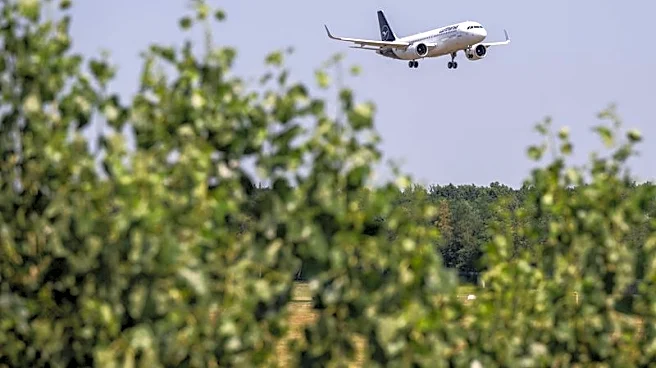
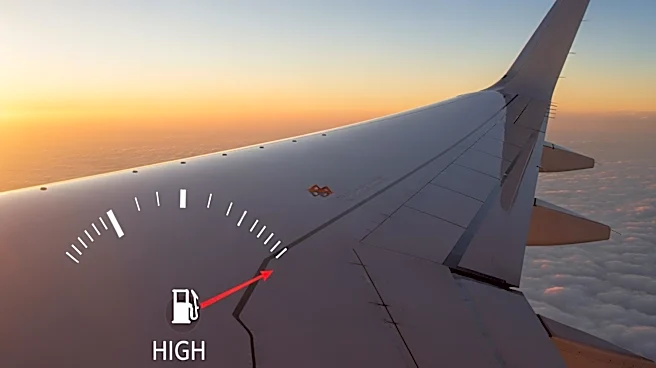
The ongoing conflict in Iran has led to a significant jet fuel crisis, impacting the global aviation sector. Lufthansa, Germany's largest airline, has announced the cancellation of 20,000 flights between May and October to conserve fuel. This decision
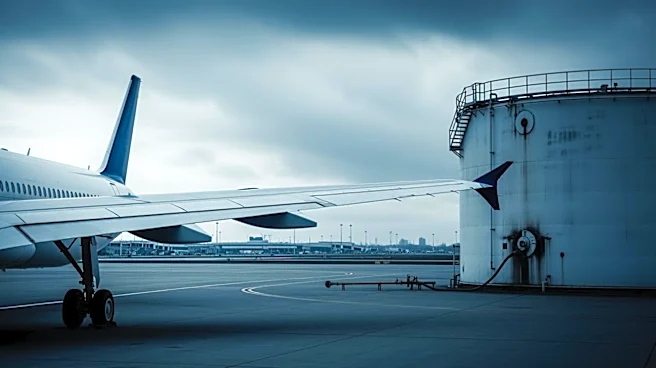
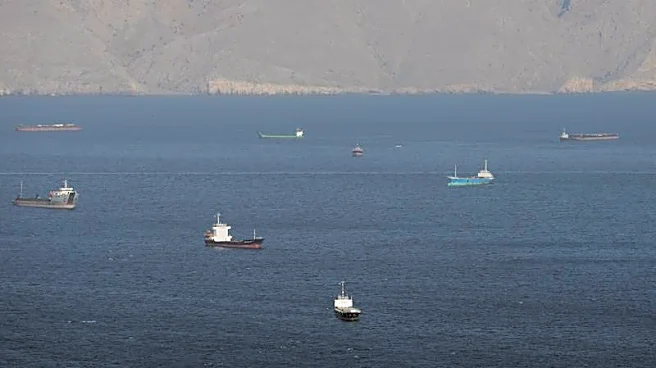
comes as the closure of the Strait of Hormuz disrupts global gas and oil flows, causing jet fuel prices to double since the conflict began. Other airlines, such as KLM, have also canceled flights, and many are raising prices in response to the crisis. The European Union is exploring fuel-sharing strategies among member states to maintain air travel, as the region heavily relies on kerosene imports from the Middle East.
Why It's Important?
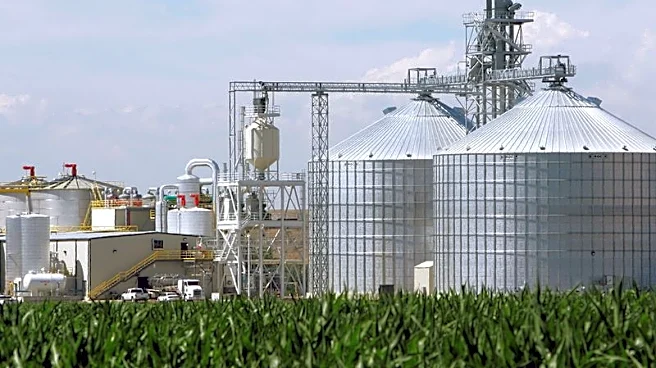
The jet fuel crisis highlights the vulnerability of the aviation industry to geopolitical events, particularly in regions dependent on Middle Eastern oil. The cancellations and price hikes could have significant economic repercussions, affecting travel and tourism industries. The situation underscores the need for alternative fuel sources, such as sustainable aviation fuels (SAF), although these remain expensive and in limited supply. The crisis also emphasizes the importance of energy security and the potential need for policy adjustments to mitigate similar risks in the future.
What's Next?
The European Commission is set to present a package of energy and transport measures, including plans for collective management of jet fuel stocks and potential distribution among member states. The EU may also consider increasing jet fuel imports from the U.S. to alleviate shortages. Airlines are likely to continue adjusting operations, with more flight cancellations and price increases expected if the Strait of Hormuz remains closed. The crisis may accelerate efforts to develop and adopt sustainable aviation fuels, although challenges in supply and cost remain significant hurdles.