






What's Happening?
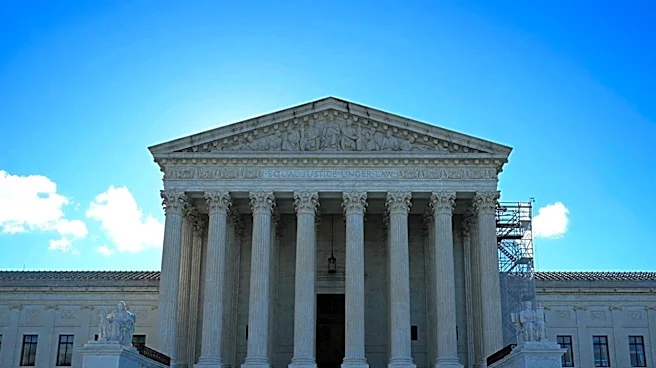
The U.S. Supreme Court has released its December argument calendar, which includes several high-profile cases with significant national implications. On December 2, the Court will hear consolidated arguments in Viramontes v. Cook County and Grant v. Higgins,
challenging semi-automatic weapons bans in Illinois and Connecticut. These cases question the constitutionality of state laws restricting over 100 types of firearms, with gun rights advocates arguing against state legislatures' ability to enact laws that violate the Second Amendment. On November 30, the Court will hear Wassily v. Blanche, addressing whether noncitizens whose asylum status was terminated can still adjust to lawful permanent resident status. Finally, on December 7, the Court will hear Partners for Ethical Care v. Ferguson, a challenge to Washington state laws that allow minors to access mental health and transgender care without parental consent. Lawyers for Washington Governor Bob Ferguson argue that the plaintiffs lack standing, while dissenting judges from the 9th Circuit expressed concerns about state-run shelters hiding minors from parents.
Why It's Important?
These cases are profoundly important as they touch upon fundamental rights and critical policy areas across the United States. The gun rights cases could redefine the scope of the Second Amendment, potentially impacting firearm regulations nationwide and influencing the ongoing debate over gun control. The immigration case will clarify the rights of asylum seekers and the authority of the Attorney General in terminating asylum status, affecting immigration policy and the lives of many noncitizens. The parental rights case in Washington state raises significant questions about the balance between parental authority, minor autonomy, and state intervention in sensitive healthcare decisions, particularly concerning transgender care. The Court's decisions in these matters will have far-reaching legal, social, and political consequences, shaping precedents for years to come and reflecting the current ideological divisions within the country.
What's Next?
The Supreme Court will hear oral arguments for these cases in December. Following the arguments, the justices will deliberate and issue their opinions, typically by the end of the Court's term in June. The decisions will either uphold or strike down existing state laws and administrative practices, leading to immediate legal and policy changes. For the gun cases, a ruling could either strengthen or weaken state-level gun control efforts. In the immigration case, the decision will clarify the legal pathways for noncitizens whose asylum has been terminated. The parental rights case will determine the extent of parental involvement required for minors seeking specific healthcare services in Washington state, potentially influencing similar laws in other states. These rulings are expected to generate significant public and political reactions, with various advocacy groups closely monitoring the outcomes and preparing for their implications.
Beyond the Headlines
These Supreme Court cases delve into the core principles of American governance and individual liberties. The gun cases highlight the ongoing tension between public safety concerns and constitutional rights, reflecting a deeply polarized national debate. The immigration case touches on humanitarian concerns, national security, and the interpretation of international and domestic asylum laws, revealing the complexities of managing immigration in a globalized world. The parental rights case, particularly concerning transgender care for minors, brings to the forefront evolving societal norms, ethical considerations in healthcare, and the role of the state in family matters. These cases are not merely legal disputes but reflections of broader cultural shifts and value conflicts within American society, forcing a re-evaluation of established norms and legal interpretations in a rapidly changing landscape.